Power does not always arrive with a trumpet blast. Sometimes it slips in quietly through a side entrance, wearing an expensive suit, carrying a confidential envelope, and speaking in the low, frictionless register of men who believe the rules were written for someone else.
Consider the modern political machine. To the observer sitting in the gallery, politics looks like a theater of grand speeches and fluttering banners. But backstage, away from the television cameras and the applause, it runs on something far less romantic: cash, ledgers, and the desperate, frantic math of survival. If you enjoyed this article, you should look at: this related article.
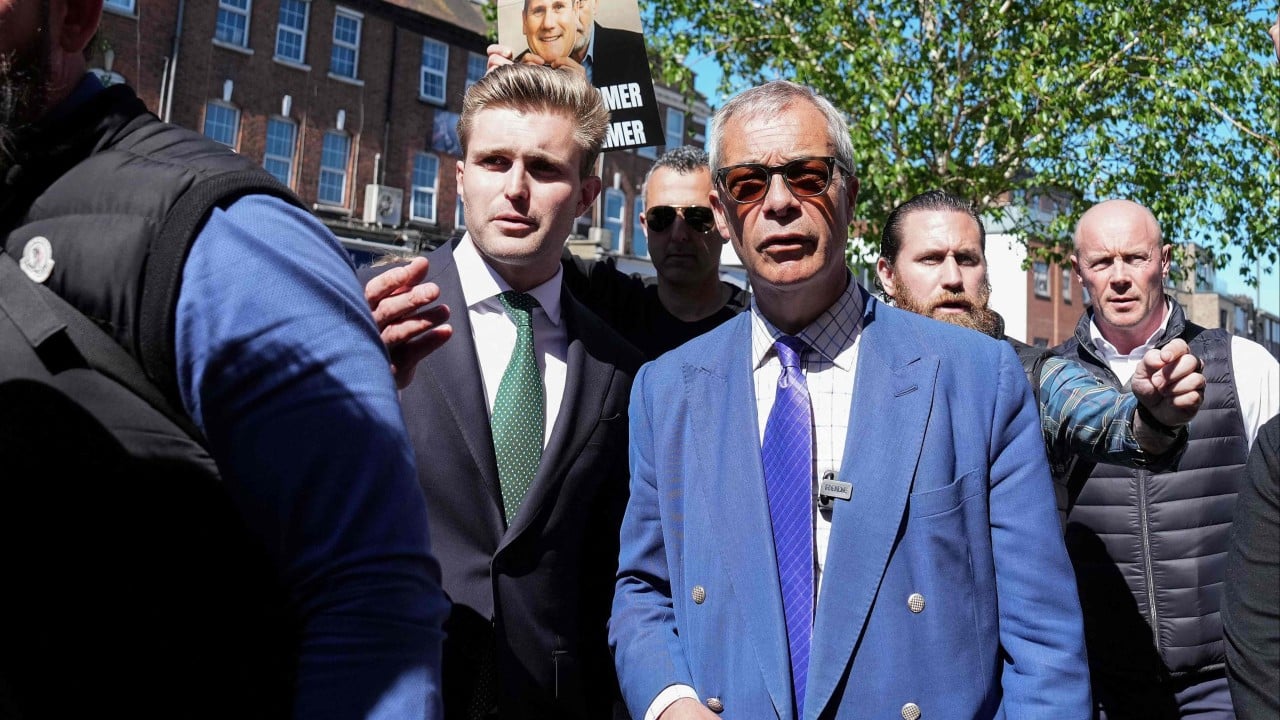
When the bright lights of an undercover television investigation cut through the fog surrounding Nigel Farage’s Reform UK party, they didn't just illuminate a technical breach of electoral law. They exposed the ancient, corrosive friction between what a political movement claims to be in public and what its operatives are willing to do in the dark.
The mechanics were simple enough on paper. British law, designed to keep foreign money from steering domestic democracy, draws a hard, unyielding line around who can fund a political campaign. You cannot take foreign money. You cannot hide the source of your polling. You cannot treat the Electoral Commission like an inconvenient traffic light flashing red at three in the morning when no one else is looking. For another perspective on this development, check out the latest coverage from The Guardian.
Yet, as secret recordings revealed, the temptation to bypass those boundaries proved too strong for those steering the ship. James Orr, the party’s head of policy, and Dan Jukes, a close aide to Farage, found themselves caught on camera discussing how an unvetted foreign backer—fictional journalists playing a part—might quietly fund tens of thousands of pounds worth of strategic polling to help shape the national conversation without leaving a fingerprint.
"The reality is we could easily get away with it if we wanted to," Orr was captured saying, dismissing the electoral watchdog as toothless.
There is a chilling casualness to how institutional rules break down. It rarely happens in a dramatic bolt of lightning. It happens in hotel lounges over quiet drinks, through rationalizations whispered across crisp tablecloths, where a five-figure sum for a secret project feels less like a crime and more like clever navigation. It is the mundane architecture of corruption. A wink here, a bypassed declaration there, and suddenly the walls protecting the democratic process have a hole big enough to drive a truck through.
Hours before Farage was set to take the stage at his party's annual conference in Birmingham, the fallout struck. The recordings aired. The political opponents moved instantly to alert the police. And just like that, the men who had been whispering in the shadows were pushed out into the unforgiving glare of accountability. Orr and Jukes stepped down, their positions sacrificed in a desperate bid by the leadership to contain a spreading fire.
Farage dismissed the sting as a setup, an entrapment designed by political enemies to hobble his insurgency. It is a familiar defense, echoing the various other financial clouds that have shadowed his movement's ledgers, from undeclared crypto gifts to complex family donations. But explanations do little to wash away the stain of the tape.
When trusted lieutenants are caught on record plotting how to skirt the framework of the nation's laws, the damage goes deeper than a temporary dip in the polls. It touches the fragile contract between the voter and the ballot box. Millions of people cast their votes believing they are part of a populist wave fighting against an entrenched elite, trusting that their champions are playing a straight game against a crooked house.
When the backstage doors are blown open and the public sees the same old shortcuts, the magic trick fails.
The conference hall in Birmingham filled up. The applause rolled in on cue. Farage stepped up to the microphone, ready to rally the faithful and project an image of unyielding strength. But outside the auditorium, the hum of police inquiries and regulatory scrutiny grew louder. The aides were gone, retreat had been sounded for two more cogs in the machine, and the ledger remained open for inspection.
Democracy survives not because its laws are unbreakable, but because the people demand that they be kept. And every time a shortcut is exposed, the cost is paid in the one currency a political movement can least afford to lose: trust.