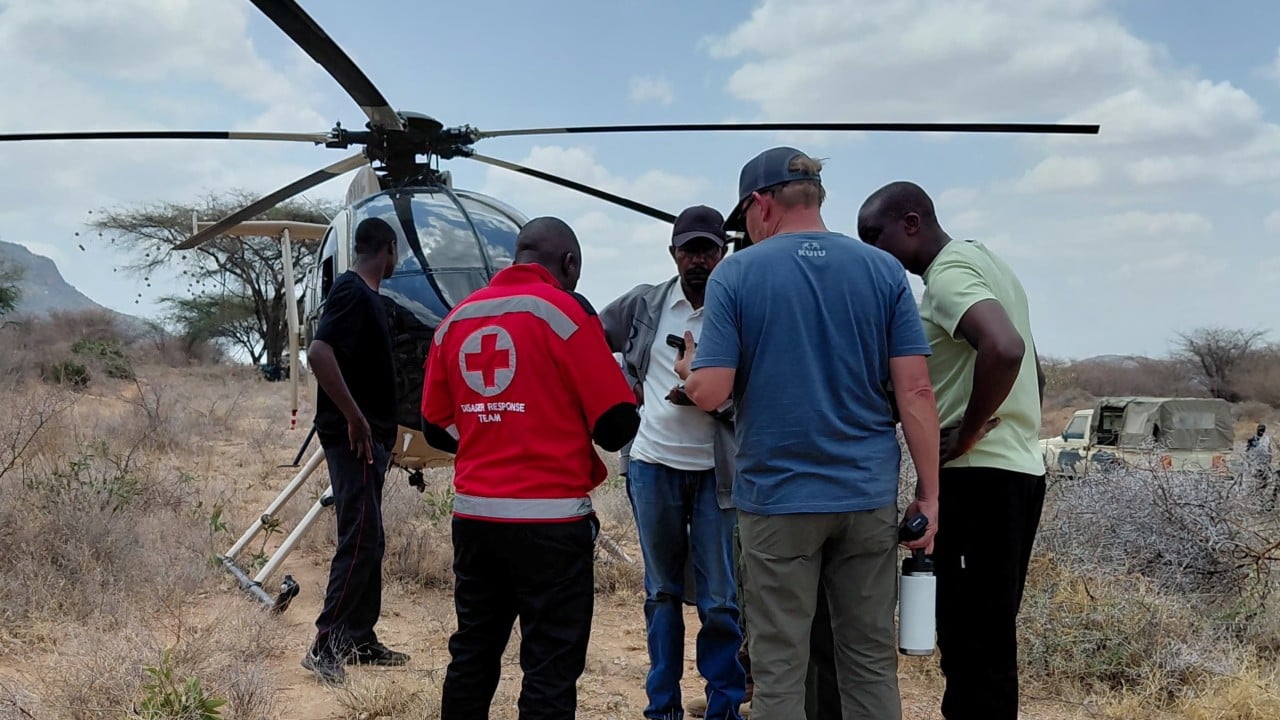
Seven lives vanished into the rugged foothills of Mount Ololokwe when a charter helicopter plunged from the morning sky in Samburu County, exposing the perilous underbelly of Kenya's luxury tourism transit network. The tragedy, which claimed the lives of six tourists—including five American citizens, a prominent media executive, and international intelligence officials—alongside their pilot, marks yet another dark entry in a mounting ledger of aviation disasters across East Africa.
The aircraft, a Eurocopter EC130 B4 operated by Lady Lori Helicopters and chartered through luxury tour provider &Beyond, went down at approximately 9:13 a.m. while flying from the Loisaba Conservancy toward the Ewaso Nyiro region. While investigators from the Air Accident Investigation Department scramble to piece together telemetry and wreckage data, seasoned observers of the region's aviation ecosystem recognize a familiar, uncomfortable pattern. Light aircraft and rotary-wing charters are the invisible arteries of high-end African safaris, moving wealthy travelers effortlessly between remote luxury lodges.
They are also operating in an unforgiving geographic and regulatory environment that demands absolute precision, where the margin for error is measured in seconds and meters.
The Tyranny of Remote Terrain and Microclimates
Northern Kenya is a theater of extreme contrasts. Towering monoliths like Mount Ololokwe rise abruptly from arid scrublands, creating localized wind shears, sudden downdrafts, and unpredictable weather patterns that can turn a routine visual flight path into a trap.
Helicopters are chosen specifically for their ability to land in pathless wilderness, granting access to private conservancies that fixed-wing airstrips cannot reach. Yet this operational flexibility comes at a severe cost. Mountainous terrain combined with vast, unpopulated tracts means that when a rotorcraft encounters mechanical failure, sudden cloud cover, or structural stress, search and rescue teams face monumental delays. In the Samburu incident, emergency responders relied on drones and multi-agency ground units to navigate dense, hard-to-reach forest terrain just to access the charred wreckage.
Infrastructure deficits compound the danger. Remote airstrips and helipads often lack advanced weather-monitoring equipment, relying instead on pilot visual estimation and verbal advisories from camp managers. When meteorological shifts occur mid-flight, crews frequently find themselves navigating blind against steep rock faces without the safety net of high-altitude radar coverage common in commercial aviation hubs.
The Strain on Private Charter Fleets
Kenya’s safari tourism industry has rebounded aggressively following years of pandemic-era stagnation, injecting much-needed capital into the national economy. This surge in high-net-worth travelers has placed unprecedented pressure on local air charter operators.
Maintaining a fleet of complex rotary-wing aircraft in a developing nation involves navigating a labyrinth of expensive imported spare parts, stringent maintenance schedules, and a chronic shortage of certified local engineers. Operators must source specialized components from Europe or South Africa, turning routine maintenance into weeks-long logistical hurdles.
Commercial pressures can subtly warp operational thresholds. When a high-end lodge books a multi-leg luxury itinerary, the economic penalty for grounded aircraft is severe. While reputable carriers like Lady Lori and Tropic Air maintain rigorous safety cultures, the broader industry operates on razor-thin margins where the temptation to push through marginal weather or stretch maintenance intervals can threaten entire flight lines.
The frequency of recent incidents underscores systemic vulnerabilities. This crash follows a string of high-profile aviation tragedies in Kenya, including the February Nandi County crash that claimed the life of a legislator and a military chopper accident that killed the nation's chief of defense forces. Each event triggers a flurry of regulatory promises from the Kenya Civil Aviation Authority, yet structural reforms frequently stall once media attention fades.
The High Cost of Convenience
For the international travelers who book these excursions, the appeal is undeniable. Flying low over migrating herds, skimming riverbeds, and landing directly on a private sun-downer ridge offers an intimacy with the wilderness that commercial transport cannot replicate.
Yet this desire for frictionless luxury masks the inherent volatility of bush flying. Passengers rarely receive comprehensive safety briefings detailing the unique emergency protocols of rotary-wing aircraft in remote terrain, trusting implicitly in the pristine marketing materials of luxury travel conglomerates.
The loss of lives from Ecuador, the United States, and beyond highlights the globalized footprint of modern safari tourism, where elite travelers intersect with local infrastructural limits. As international pressure mounts on Nairobi to overhaul its civil aviation oversight, the fundamental physics of flying heavy helicopters through volatile mountain passes remain unchanged.
The wreckage at Mount Ololokwe has been cleared, but the questions regarding pilot fatigue, maintenance tracking oversight, and meteorological infrastructure in Kenya's northern circuit linger in the dry air. Until structural changes match the rapid expansion of luxury adventure tourism, the shadow over the savannah will only lengthen.