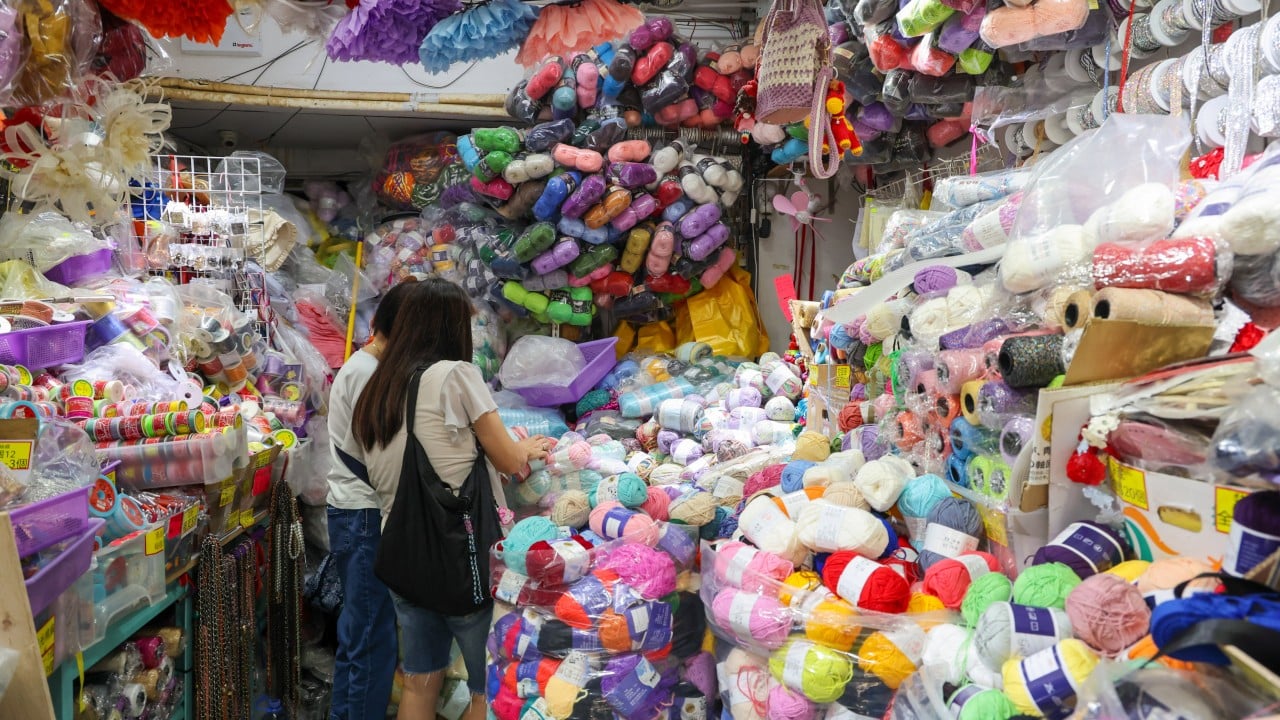
Walk down Yu Chau Street in Hong Kong today, and you will notice something changing. The air used to smell like raw textiles and metallic hardware. Now it smells like freshly brewed coffee and artisan pastries. For decades, this cramped neighborhood in Sham Shui Po earned a global reputation as the heartbeat of local handcrafts and garment production. People called it Bead Street for good reason. Storefronts overflowed with colorful sequins, wooden beads, custom zippers, and intricate lace.
Today, those iconic tiny shops are quietly going dark.
Longtime store owners are handing back their keys. Trendy cafes, independent bookstores, and creative art spaces are taking their place. Change is inevitable in any major city, but watching a historic manufacturing enclave get swallowed up by trendy gentrification hits differently. It raises a hard question about what happens when traditional commercial districts lose the exact trades that built them.
The Shrinking Footprint of a Craft Empire
If you talk to veteran vendors who spent forty years working through Hong Kong's textile golden age, they will tell you the writing has been on the wall for a while. Retailers specializing in accessories and sewing notions are closing down in waves. Blocks near Yu Chau Street, Ki Lung Street, and Nam Cheong Street recently lost multiple long-standing storefronts in a single sweep.
Store owners point to a mix of crushing pressures. Wholesale business dropped significantly over the past few years. Operating costs keep climbing. Raw materials like plastic-based beads and petroleum derivatives have gotten expensive to source and ship. At the same time, consumer habits shifted away from DIY tailoring and handmade garments. Buying a mass-produced piece of clothing online is faster and cheaper than spending hours mending or crafting something from scratch.
Even a brief pandemic-era spike in home crafting and knitting failed to sustain long-term momentum. Once life returned to normal, the bottom fell out of retail demand.
Why Traditional Storeowners Refuse the Digital Shift
E-commerce seems like the obvious lifeline for brick-and-mortar retail dying a slow death. Yet, many veteran shop owners on Bead Street flatly refuse to go online.
Setting up a digital storefront isn't simple for retailers in their sixties and seventies. It demands inventory management software, professional photography, digital marketing, and expensive warehouse space for stocktaking. For a tiny shop packed floor-to-ceiling with thousands of unique, uncatalogued buttons and ribbons, putting everything online represents an insurmountable hurdle.
There is also something fundamentally tactile about the craft experience. Shoppers used to come to Sham Shui Po precisely because they wanted to touch the materials. They wanted to hold a sequined ribbon up to the light, compare shades of velvet, and mix and match textures in person. Translating that chaotic, hands-on treasure hunt into a sterile online catalog kills the magic of the district.
The Gentrification Trade-Off
As the accessory shops bow out, a new wave of creative entrepreneurs moves in. Urban planners often praise this kind of district turnover as natural economic evolution. Hip coffee shops and design studios bring fresh foot traffic and youthful energy back into older neighborhoods.
Yet, this transformation comes with a cost. Urban areas risk losing their authentic industrial heritage in favor of homogenized lifestyle strips. When every historic manufacturing hub turns into a carbon-copy café district, the city loses a piece of its working-class soul.
The transition leaves longtime residents and hobbyists caught in the middle. Finding specialty tailoring supplies now requires hunting down the few remaining holdouts tucked away on side streets. If current trends hold, shopping for niche crafting materials will move entirely out of physical storefronts and vanish from the streetscape altogether. Support these independent suppliers while they are still around, because once these generational storefronts close, they are gone for good.