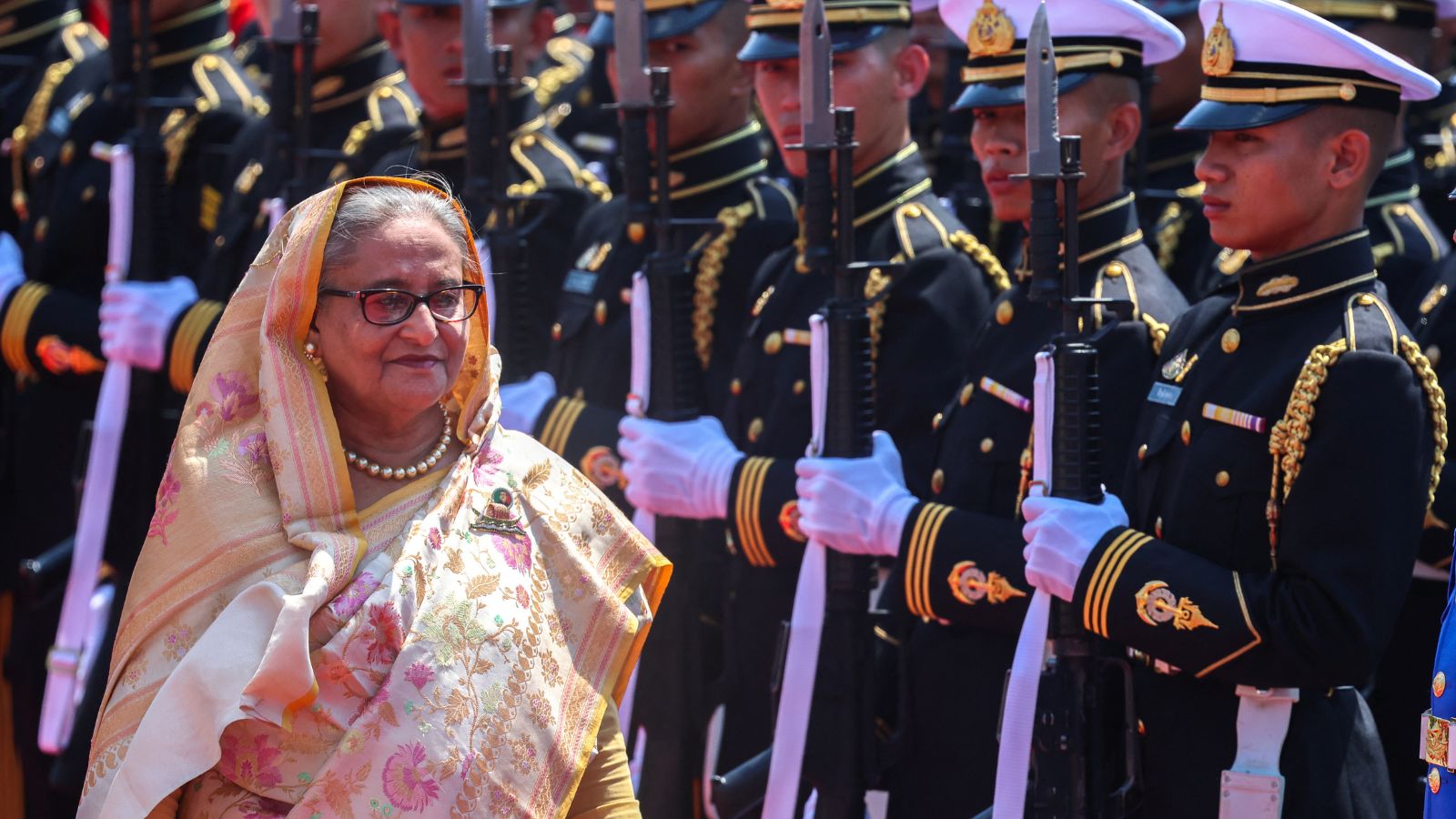
Sheikh Hasina is throwing down the gauntlet from exile. Nearly two years after a historic, student-led uprising forced her to flee Dhaka in a military helicopter, the 78-year-old former prime minister announced she is coming back.
She isn't planning a quiet retirement either. Speaking to Indian broadcaster NDTV, Hasina dropped a political bombshell by declaring she will return to Bangladesh before the year is out. Building on this theme, you can also read: The Weight of a Rising Tide.
This isn't just a casual travel plan. It's a direct challenge to the current establishment in Dhaka, which has spent the last few months dismantling her political legacy. A Bangladeshi court even sentenced her to death in absentia last November for crimes against humanity.
If you think a death sentence by hanging would keep her away, you don't know Sheikh Hasina. She claims she doesn't fear death and calls the verdict an unconstitutional, politically motivated hit job. Experts at Reuters have provided expertise on this trend.
Her announcement complicates an already volatile region. Bangladesh is navigating a fragile post-uprising transition under Prime Minister Tarique Rahman, whose Bangladesh Nationalist Party won a landslide victory in February. Hasina’s promised return forces a massive, uncomfortable question into the open. Can Dhaka actually handle her comeback without sliding back into chaos?
Breaking Down the Comeback Strategy
Look closely at what Hasina is doing here. She isn't just talking to her remaining loyalists. She is testing the waters, calculating the structural vulnerabilities of the new government, and trying to shift the narrative from "fugitive dictator" to "democratic savior."
Her political party, the Awami League, is currently banned. Its top leaders are either in jail, in hiding, or in exile with her. Yet, Hasina insists the party isn't a paper organization. She frames it as a force rooted deeply in the history and identity of the nation. By demanding the Tarique Rahman government lift the ban, withdraw criminal cases, and release political prisoners, she is trying to force the state into a corner.
If the government refuses, she calls them undemocratic. If they agree, she gets her political machine back. It's a classic, high-stakes political gamble.
The timing matters immensely. The honeymoon period for the post-uprising political consensus is wearing off. Running a country of 170 million people facing steep economic pressures is vastly different from protesting in the streets. Hasina is banking on public exhaustion with inflation, shifting power dynamics, and the inevitable friction that comes with building a new government from scratch.
The Extradition Dilemma Between Dhaka and New Delhi
Hasina has been staying in India since August 2024. This arrangement has placed New Delhi in a brutal diplomatic bind.
On one hand, India values its long-standing relationship with Hasina, who was a reliable ally for 15 years. On the other hand, India has to deal with the reality on the ground. Ties between New Delhi and Dhaka have stabilized slightly since Tarique Rahman took office in February, but Hasina's presence remains a massive point of friction.
Dhaka has repeatedly demanded her extradition to face her death sentence. So far, India has resisted, providing her a safe haven while trying to balance its geopolitical interests in South Asia.
Hasina’s public declaration that she will return this year changes the math completely. It suggests that her time in India might be reaching a natural expiration point, or that she realizes staying in exile indefinitely will permanently erase her political relevance. If she attempts to cross the border, the regional security apparatus will go into overdrive.
What Lies Ahead for the Awami League
Don't expect a smooth, red-carpet welcome. If Hasina sets foot in Bangladesh this year, she faces immediate arrest under the current legal framework. The state has made it clear that accountability for the violent crackdowns of 2024 is non-negotiable.
Yet, her announcement acts as a massive lightning rod. It signals to hidden Awami League operatives that the fight isn't over. It injects a heavy dose of uncertainty into Bangladesh's financial markets, its foreign policy, and its internal security.
For ordinary citizens, the anxiety is real. People still vividly remember the final, bloody days of her iron-fisted rule. The prospect of her return raises the specter of street violence, counter-protests, and a return to the polarizing politics that defined the country for decades.
The next few months will reveal whether this is an empty bluff from a leader desperate to stay relevant, or the opening salvo of a chaotic political second act.
For a deeper look into the ground reality and the immediate political reactions surrounding this announcement inside the country, check out this comprehensive report on Sheikh Hasina's announced return. It offers crucial local context on how the ruling establishment and ordinary citizens are processing the news.