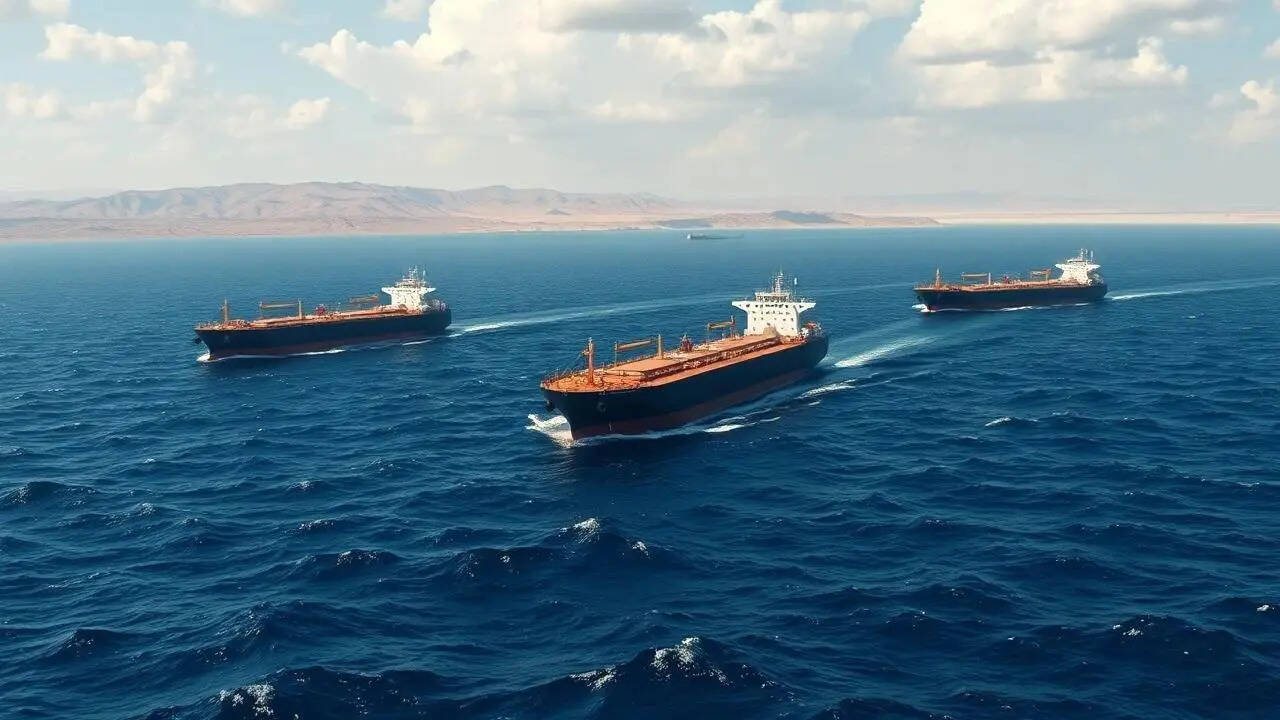
The Strait of Hormuz isn't closed. If you look at a map or check maritime traffic logs, ships are moving. But for the Indian shipping industry, "open" is a technicality that doesn't mean "safe." Indian National Shipowners’ Association (INSA) chief Anil Devli recently made it clear that while the water is there, the risk is simply too high for many to stomach. It's a mess. You have a narrow choke point where 20% of the world's liquid petroleum passes through, and right now, it feels like a shooting gallery.
When the head of a major shipping body says the risks are too high, he isn't talking about waves or weather. He's talking about seizures, drones, and the kind of geopolitical volatility that turns a standard cargo run into a national security crisis. For India, this isn't just about global trade figures. It's about the literal fuel that keeps the country running. Most of India’s crude oil and LPG comes through this exact stretch of water. If Hormuz gets choked or if Indian ships start getting snatched, the ripple effect hits everything from the local gas station to the national manufacturing index.
The technicality of open water versus actual safety
The Strait of Hormuz remains technically navigable. International law and the presence of various naval task forces keep the lanes theoretically clear. However, the INSA perspective highlights a massive gap between legal status and operational reality. Just because a door is unlocked doesn't mean you want to walk through it when there's a brawl happening on the other side.
For a shipowner, the decision to sail through Hormuz involves a grim checklist. Can you get insurance? At what cost? War risk premiums have spiked. These aren't small fees. We're talking about massive surcharges that eat into margins and eventually get passed down to the consumer. When the Indian National Shipowners’ Association chief points out these risks, he’s acknowledging that "technically open" is a phrase used by politicians, not the people responsible for multimillion-dollar vessels and the lives of the crew on board.
Shipowners are pragmatic. They don't want to be heroes. They want to deliver cargo and get paid. Right now, the threat of being caught in the crossfire of regional tensions—specifically involving Iran—is enough to make even the most seasoned captains nervous. We've seen ships seized before. We've seen "shadow" attacks that nobody takes credit for but everyone knows the source of. That uncertainty is the real enemy of trade.
Why India is particularly vulnerable right now
India’s energy security is tied to the Persian Gulf. There's no getting around that. While the country has tried to diversify its sources—buying more from Russia or looking toward African exporters—the sheer volume of oil and gas coming through Hormuz is staggering.
- Energy Dependence: Roughly 60% of India's crude oil imports come from the Gulf region.
- LPG Supplies: The majority of cooking gas used in Indian households travels through this strait.
- Crew Safety: India provides a massive percentage of the world's seafarers. It’s not just Indian-flagged ships at risk; it’s Indian citizens working on ships flagged in Panama, Liberia, or the Marshall Islands.
If a ship gets seized, it’s not just a commercial loss. It becomes a diplomatic nightmare. The Indian government has to step in, negotiate for the release of the crew, and manage the optics of the situation. This puts a lot of pressure on the Ministry of External Affairs. Shipowners know this. They don't want to be the reason the government has to scramble.
The hidden cost of avoiding the Strait
When you decide the risk is too high, you don't just stop trading. You find other ways, or you pay a premium that reflects the danger. But Hormuz is unique. Unlike the Red Sea where you can theoretically go around the Cape of Good Hope, there isn't a "back way" out of the Persian Gulf. If you’re picking up oil from Kuwait, Iraq, or the UAE’s Gulf ports, you have to go through Hormuz.
This creates a stalemate. Ships continue to move because they have to, but they do so under extreme duress. You see vessels turning off their Automatic Identification System (AIS) transponders to "go dark." You see ships hugging the territorial waters of countries they feel are safer. None of this is efficient. It adds time. It adds fuel consumption. It adds stress.
The Indian National Shipowners’ Association chief is basically signaling to the government and the world that the industry is reaching a breaking point. You can't keep asking private companies to carry the weight of geopolitical instability without more protection or a clearer strategy.
The insurance nightmare
Insurance companies aren't in the business of losing money. When tension rises in the Strait, they reclassify the area. Suddenly, your standard hull and machinery policy isn't enough. You need "War Risk" cover. These premiums are often set on a per-voyage basis and can fluctuate daily based on the morning's headlines.
If a drone hits a tanker or a commando team boards a ship, those rates skyrocket instantly. In some cases, insurers might refuse to cover a vessel at all if they think the risk is too high. If you can't get insurance, you can't sail. It’s that simple. Most port authorities won't even let an uninsured ship dock. This is the "soft" closure of the Strait that people don't talk about as much as a military blockade, but it's just as effective at stopping trade.
What needs to happen next
The maritime industry doesn't have its own army. It relies on the "Freedom of Navigation" enforced by world powers. For India, this has meant deploying Indian Navy warships to the region under "Operation Sankalp" to provide a sense of security to Indian-flagged vessels. It helps, but it isn't a silver bullet. A destroyer can't be everywhere at once.
The industry is looking for more than just naval escorts. They want stability. They want to know that a commercial vessel won't be used as a pawn in a game of regional brinkmanship.
If you're involved in the shipping or energy sector, you need to be doing three things right now. First, harden your vessels. This means better security protocols and communication systems that don't rely solely on standard channels. Second, diversify your logistics. If all your eggs are in the Persian Gulf basket, you're asking for trouble. Look at the increasing viability of the Northern Sea Route or long-term contracts with Atlantic-basin producers. Third, stay informed beyond the headlines. The situation in Hormuz changes by the hour. Use real-time maritime intelligence services rather than waiting for the evening news.
The Strait is open, sure. But in the shipping world, "open" is a relative term. If the cost of entry is your ship or your crew, the gate might as well be locked. Indian shipowners are being loud about this because they're the ones on the front line. It's time to listen. If you're managing a supply chain that touches this region, audit your contingency plans today. Don't wait for a seizure to find out you don't have a Plan B. Check your insurance contracts for "force majeure" clauses and talk to your providers about "additional premium" zones. The risk is real, and it isn't going away just because the water looks calm.