The marble halls of Capitol Hill have seen empires rise and fall on the cadence of well-crafted rhetoric. But on a tense Wednesday, the air inside the Senate Homeland Security and Governmental Affairs Committee room grew heavy with a very different kind of sound. The sound of total, unyielding silence.
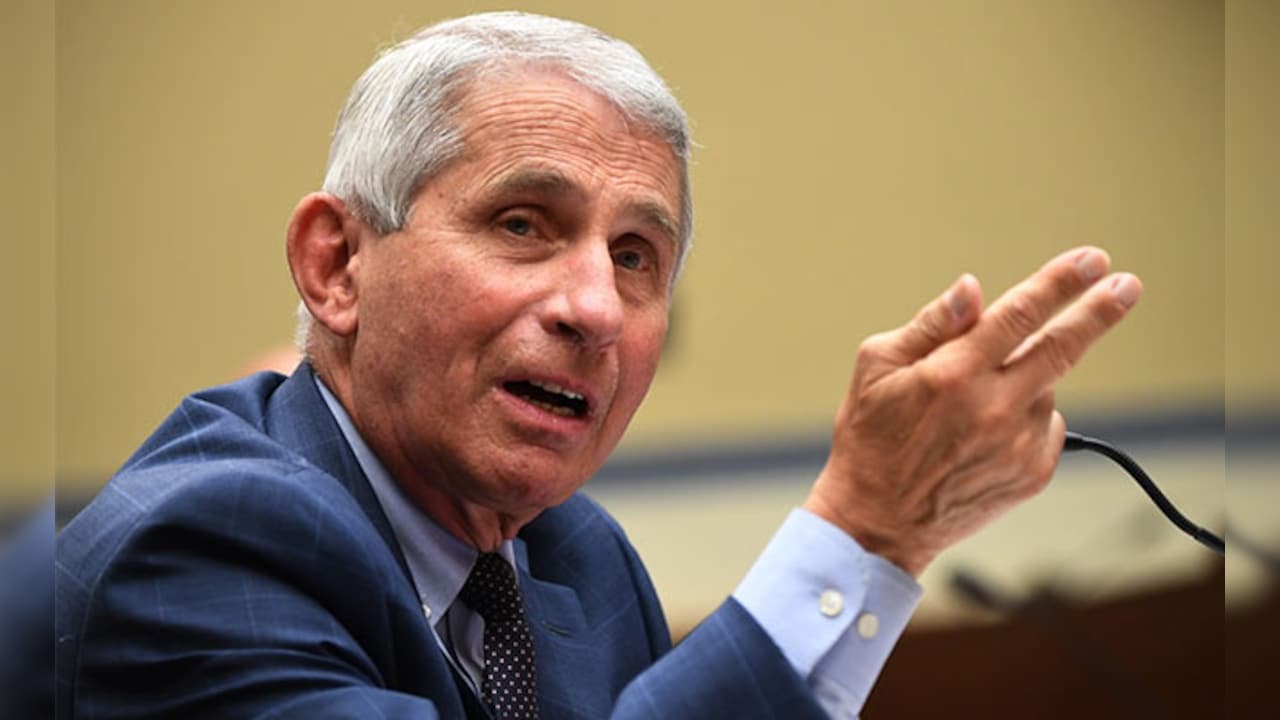
Dr. Anthony Fauci sat at the witness table. For decades, his voice had served as the metronome of American public health. During the height of the COVID-19 pandemic, millions tuned in to hear him parse curves, explain viral transmission, and steady a frightened nation. Yet on this day, the familiar cadence was gone.
Instead, a single, rehearsed phrase echoed through the microphones with metronomic monotony. Over and over, more than a hundred times, the retired infectious disease director looked across the dais and delivered his response:
On the advice of counsel, I respectfully decline to answer based upon my rights under the Fifth Amendment to the Constitution.
To understand the weight of that repetition, one must step back into the fractured memory of those early pandemic months. Imagine sitting at a kitchen table in March 2020, watching the world shrink behind locked doors while grocery store shelves emptied into a terrifying void. In those moments of profound vulnerability, citizens looked to institutional authority for a roadmap through the dark. Years later, the fallout from those institutional choices has curdled into bitter political warfare. The hearing was not merely an inquiry; it was the collision of two fundamentally incompatible interpretations of history.
On one side sat Committee Chairman Rand Paul, armed with thousands of pages of newly released personal diary entries. These handwritten notes, recovered from government property and splashed across public view, revealed a man privately wrestling with uncertainties, early scientific debates over viral origins, and conflicting safety strategies. To critics, these pages offered proof of a widening chasm between public certainty and private doubt. To supporters, they merely captured the messy, organic evolution of science happening in real-time as researchers raced against an invisible enemy.
When Paul pressed the microphone, he framed the stakes in absolute terms, accusing the former official of overseeing decades of bureaucratic hubris and masking the true origins of the coronavirus.
Fauci fired back in his opening statement, characterizing the proceedings as the culmination of a targeted vendetta designed to extract soundbites for public humiliation. Pointing to relentless public pledges from his antagonists to see him behind bars, he argued that answering substantive questions would only feed an engine of predetermined malice.
Even a blanket presidential pardon issued prior could not bridge the divide. While legal experts debated whether immunity nullified the necessity of invoking constitutional protections, the theater of the room played out its own rigid script. Tempers flared so sharply that even legal counsel was temporarily ejected from the chamber amid escalating cross-talk.
As the hours ticked away, the committee announced plans for a vote on a resolution to hold the legendary scientist in contempt of Congress. The gavel finally fell, but it offered no resolution. The numbers etched into the official record—the tally of silent refusals climbing past one hundred—remained suspended in the air like a monument to a nation still unable to agree on how it survived the storm.