The map of the world is shifting, and it isn’t happening with the loud, abrasive clang of a hammer or the fiery launch of a missile. It is happening in quiet rooms in Rome and New Delhi. While the headlines often obsess over the immediate friction of borders, something far more permanent is being built beneath the surface of the sea and across the vast stretches of the desert.
India and Italy have entered into a strategic pact that feels less like a standard diplomatic agreement and more like a shared survival instinct. For decades, the geopolitical narrative was dominated by a singular, overwhelming shadow: the expansive reach of the Dragon. To the north of India and across the maritime routes of Europe, the influence of a certain superpower seemed inevitable. But inevitability is a fragile thing. It only takes two determined partners to change the trajectory of an entire continent. Discover more on a similar subject: this related article.
This is the story of a "secret" plan—though in truth, it is hiding in plain sight—that has sent ripples of anxiety through Beijing and Islamabad.
The Weight of the Water
Consider a merchant sailor standing on the deck of a freighter in the Arabian Sea. For years, his route was predictable, dictated by ports that were increasingly coming under the control of a single entity. He saw the cranes and the shipping containers, all bearing the same marks of an expanding empire. This is the reality of the "Belt and Road," a massive infrastructure project designed to make every road lead back to one capital. Further reporting by Al Jazeera highlights comparable views on this issue.
But recently, the air has changed.
The sailor watches as Indian naval vessels and Italian technological expertise begin to weave a different pattern. This isn't just about ships; it’s about the invisible threads of data and energy. Italy, once seen as a passive participant in European politics, has stepped forward with a renewed sense of purpose. By pivoting away from its previous flirtations with Eastern infrastructure projects, Rome has chosen a side. And that side is anchored in New Delhi.
The India-Middle East-Europe Economic Corridor (IMEC) is the backbone of this new reality. It is a series of ports, railways, and hydrogen pipelines that bypass the traditional bottlenecks controlled by rivals. It is a bypass surgery for the global heart, ensuring that the lifeblood of commerce can flow even if one valve is squeezed shut.
Two Capitals One Vision
Why Italy? Why now?
The answer lies in the unique pressures facing Prime Minister Giorgia Meloni and Prime Minister Narendra Modi. Both lead nations with ancient histories and modern ambitions. Both understand that in the 21st century, sovereignty is tied to supply chains. If you don't control the path your goods take, you don't truly control your future.
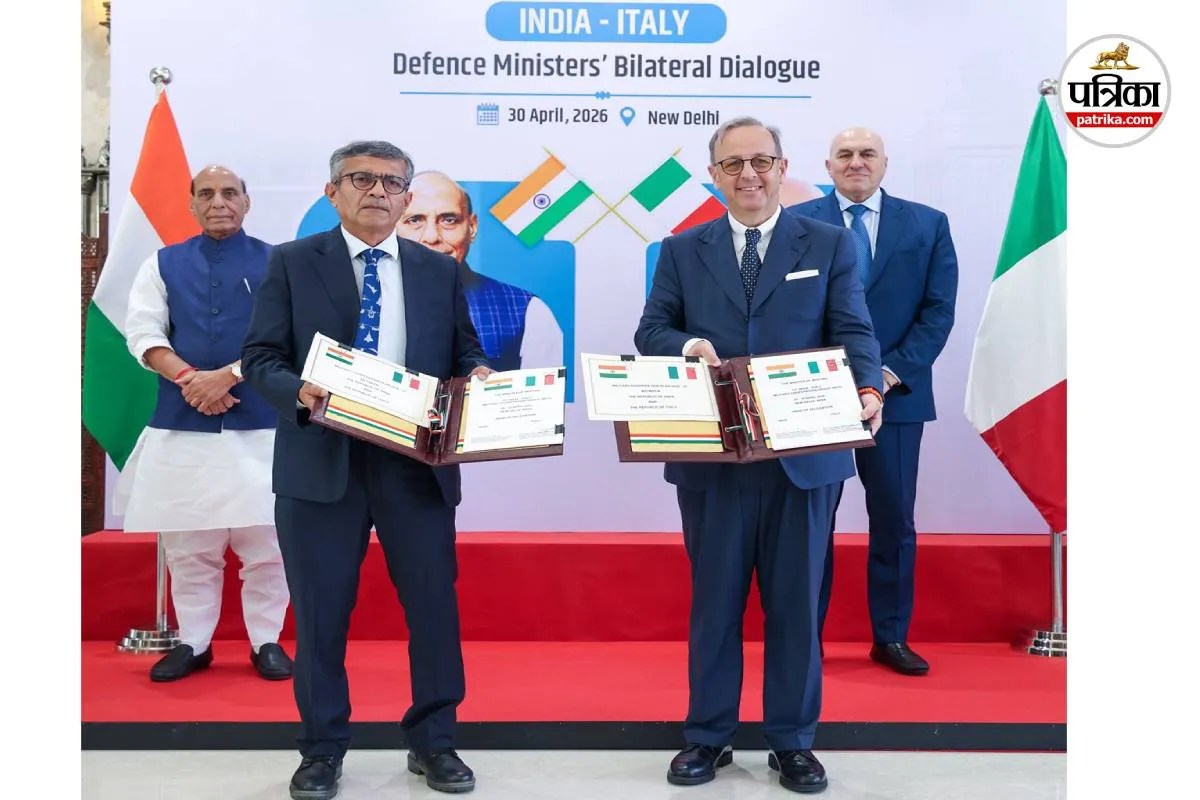
Italy possesses the high-end engineering and maritime technology that India craves. India offers the scale, the workforce, and the strategic positioning that Italy needs to remain a relevant power in the Mediterranean. When they shook hands, they weren't just signing a piece of paper; they were creating a counter-weight.
The anxiety in Islamabad is palpable for a very specific reason: relevance. For years, Pakistan’s primary export has been its geography. It positioned itself as the gateway for the Dragon to reach the warm waters of the Arabian Sea. But if the world builds a new gate—one that goes from Mumbai to Dubai, then through the desert to the Mediterranean—the old gate becomes a relic. It becomes a backwater.
Money flows where there is stability and speed. The India-Italy partnership promises both, leaving the old "CPEC" projects looking increasingly like expensive white elephants gathering dust in the sun.
The Human Cost of Disruption
Metaphorically speaking, imagine a master chess player who suddenly realizes their opponent isn't playing on the board anymore. They are changing the rules of the room.
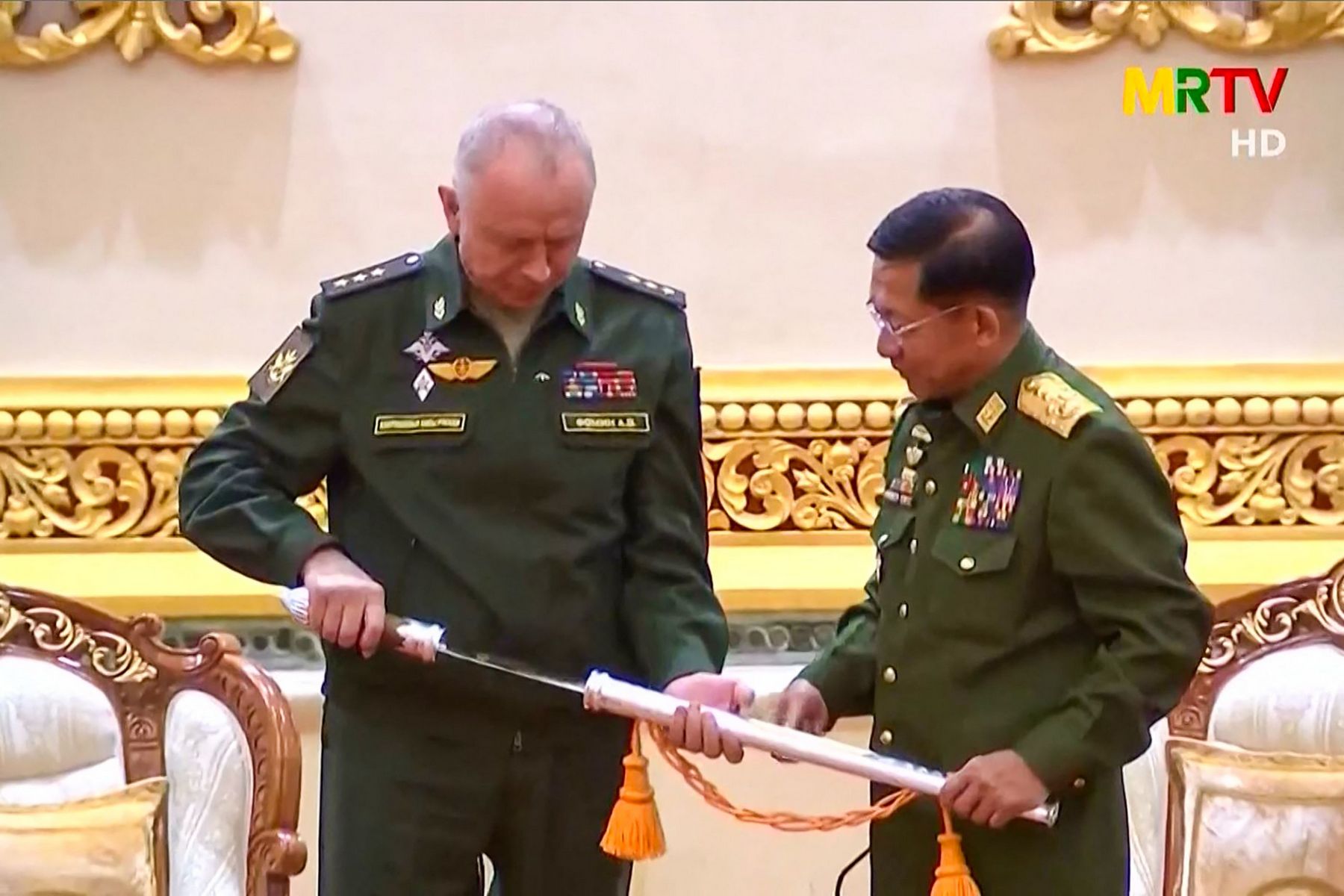
This partnership extends into the defense sector, a move that has caused a particular kind of insomnia in the region. India is no longer just a buyer of technology; it is becoming a co-creator. When Italian defense firms share "secret" blueprints and manufacturing techniques with Indian engineers, the balance of power shifts. It means that the next generation of stealth technology or underwater surveillance won't be something India has to wait for. It will be something India owns.
For a neighboring country that has relied on a numerical or technological edge provided by its patron, this is a nightmare. It creates a gap that cannot be closed simply by borrowing more money. It requires a level of innovation and trust that their current alliances simply do not offer.
The Digital Silk and the Hydrogen Sea
The stakes go beyond steel and gunpowder. We are talking about the very nerves of the modern world: subsea cables and green energy.
Italy is positioning itself as the "energy hub" of Europe. It wants to be the point where the green hydrogen produced in the vast, sun-drenched plains of India arrives to power the factories of Germany and France. This isn't a dream of the distant future. The laying of these cables and the planning of these pipes is happening today.
Think of a young engineer in Bengaluru. Ten years ago, her best prospect might have been a service job for a Western firm. Today, she is likely working on a joint venture with an Italian firm, designing the sensors that will monitor the flow of clean energy across three continents. Her work makes the old rivalries look small. It makes the "sleeping" giants of the past wake up to a world they no longer dominate.
The Dragon is accustomed to being the only builder in the room. When it finds that the room has been remodeled by a partnership it didn't authorize, the reaction is a mix of shock and strategic scrambling.
A Quiet Revolution
There is a specific kind of silence that accompanies true power. It isn't the silence of absence, but the silence of a machine running perfectly.
This "secret" plan—the deep integration of Indian labor and Italian genius—is that machine. It is a rejection of the idea that the world must be unipolar or that a single debt-trap diplomacy can dictate the fate of nations. It is a declaration that the Mediterranean and the Indian Ocean are not two separate bodies of water, but a single theater of progress.
The countries watching from the sidelines are stunned because they didn't see the pivot coming. They were too busy watching the loud arguments in the UN or the skirmishes on the borders to notice the quiet laying of foundations.
The sleepers have indeed been awoken. But they didn't wake up to a fight; they woke up to a world that has already moved on without them, leaving them to wonder how a bridge built on trust could ever be stronger than one built on debt.
The horizon is no longer a line that separates us. It is a destination where the sun never sets on this new, interconnected corridor, leaving those who bet against it to wander the empty halls of their own outdated ambitions.