Six proposals landed on the developer desk for the flagship Northern Metropolis innovation zone. Six. For a multi-billion-dollar government-backed initiative billed as the economic engine of the next generation, a half-dozen submissions represents a tepid vote of confidence from corporate boardrooms.
The mainstream reports celebrated the response rate as proof of life. They printed the press releases, counted the developer names, and moved on to the next ribbon-cutting ceremony. That is not journalism. That is stenography.
When you strip away the bureaucratic optimism and examine the balance sheets, interest rates, and structural hesitation defining the commercial real estate sector, those six bids tell a starkly different story. High-stakes urban planning rarely collapses in a sudden, dramatic implosion. It decays slowly under the weight of unrealistic expectations, capital scarcity, and zoning friction.
The Capital Squeeze Behind the Bidding Table
Property conglomerates do not pass on high-profile government tenders because they lack ambition. They pass because the math fails to clear their risk committees.
Financing costs remain elevated compared to the cheap debt era that birthed previous megaprojects. Construction supply chains are fractured and expensive. When a developer looks at a massive tech cluster site near the border, they are not just pricing out concrete and steel. They are pricing in a decade-long development horizon, uncertain tenant demand, and the risk of municipal overreach.
The Northern Metropolis was designed to anchor advanced manufacturing, artificial intelligence research, and life sciences. Yet, Hong Kong property heavyweights have traditionally thrived on residential sales cycles and prime commercial office towers in established central business districts. Building a specialized innovation ecosystem requires a completely different operational playbook.
Most major developers lack the specialized asset-management capability required to nurture deep-tech tenants who need wet labs, heavy power loads, and specialized zoning rather than standard open-plan desks.
Infrastructure Deficits and the Accessibility Penalty
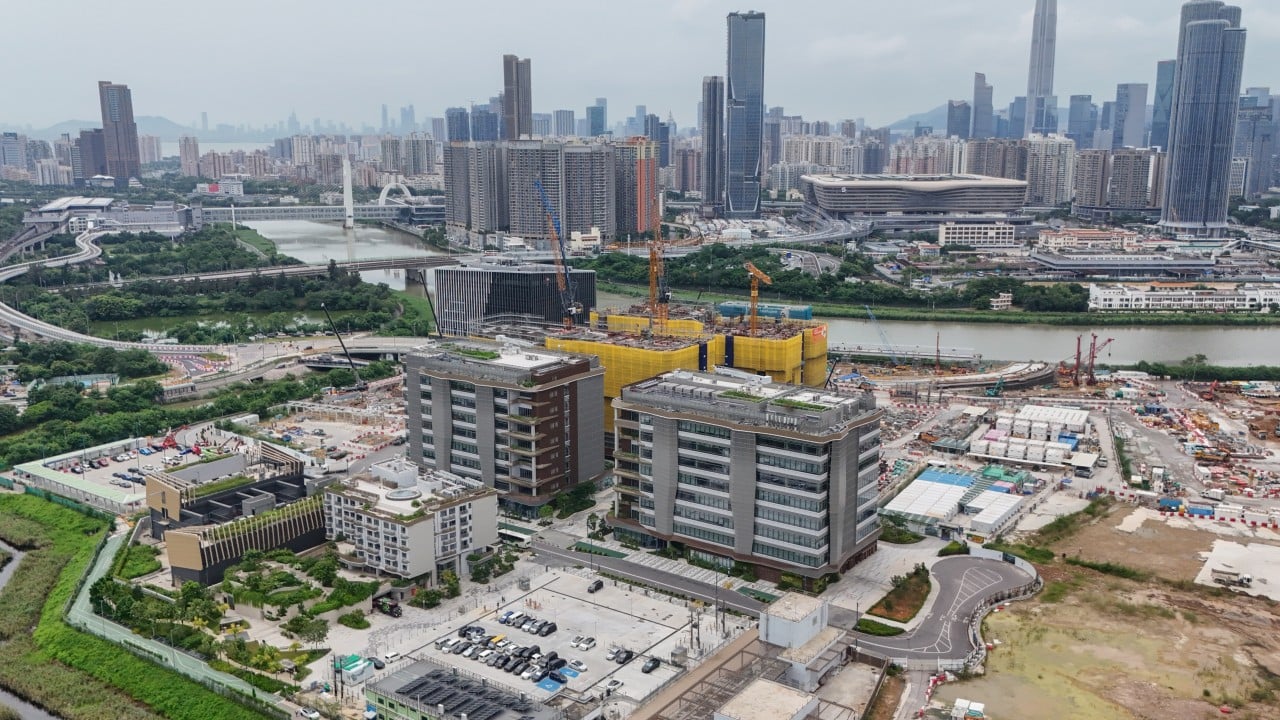
Geography remains an unyielding constraint. The proposed tech zone sits on the periphery, far from the established financial core.
Commuter links and mass transit extensions take years to mature. During the construction phase, getting top-tier engineering talent to relocate daily to a border district feels like an impossible sell when competing against downtown hubs. Tech workers value density, social infrastructure, and transit convenience. They want coffee shops, housing options, and immediate urban amenities.
A sprawling campus surrounded by incomplete road networks and distant transit stops does not attract top-tier global talent. It strands them.
Government planners routinely underestimate the lag time between pouring foundations and establishing a self-sustaining urban community. Without rapid transit redundancy and immediate lifestyle amenities, these remote innovation hubs struggle to achieve critical mass. Companies will not lease space in a ghost town, no matter how generous the tax incentives look on paper.
The Tenant Mismatch
Look closer at who actually occupies space in regional innovation hubs across Asia. They are rarely bootstrapped startups taking a gamble on raw concrete. They are mature enterprises, multinational research divisions, and advanced hardware prototyping firms.
These organizations operate on tight margins and demand plug-and-play environments. They want facilities where cleanrooms, specialized ventilation, and high-capacity data lines are already operational.
When a tender requires private developers to shoulder the burden of heavy specialized infrastructure buildout without guaranteed anchor tenants, private capital pulls back. The risk profile shifts from real estate development to venture-scale speculation. Corporate treasurers simply will not sign off on those exposures in a volatile macroeconomic climate.
If the government wants higher participation rates and deeper corporate commitment, the financial risk-sharing mechanism must change.
Redefining the Municipal Playbook
Relying on traditional land tender models for specialized tech districts is an obsolete strategy.
When the state treats a tech hub like a standard residential land sale, it invites conservative bidding and minimal risk-taking. Public-private partnerships in this sector require active state participation in derisking the early phases. That means pre-building specialized laboratory shells, guaranteeing power infrastructure, and offering flexible lease structures that shield corporate tenants from immediate capital expenditure shocks.
Six bids are enough to keep the project alive on paper, but they are not enough to build a global superpower district. Until policymakers address the underlying financing realities and infrastructural gaps, the Northern Metropolis will remain a high-concept blueprint chasing pragmatic capital.