A sudden fire on the sixth floor of a microchip facility can send shockwaves through the global tech industry. That is exactly what happened at the SK Hynix 4 Campus in Cheongju, South Korea. A routine pre-operation test on a fluorine line quickly turned into an emergency, triggering a toxic chemical leak and forcing thousands of workers to run for safety.
Most people look at a headline about a factory accident and think it is just a local safety issue. They are wrong. In the hyper-concentrated world of semiconductor manufacturing, a single broken pipe in South Korea can delay your next smartphone, spike the price of AI servers, or halt automotive assembly lines across the globe.
While initial reports from local authorities and Yonhap News Agency caused immediate panic, SK Hynix managed to contain the physical fallout quickly. Let's break down what actually happened on the ground and why the tech world breathed a collective sigh of relief.
Inside the Cheongju Plant Incident
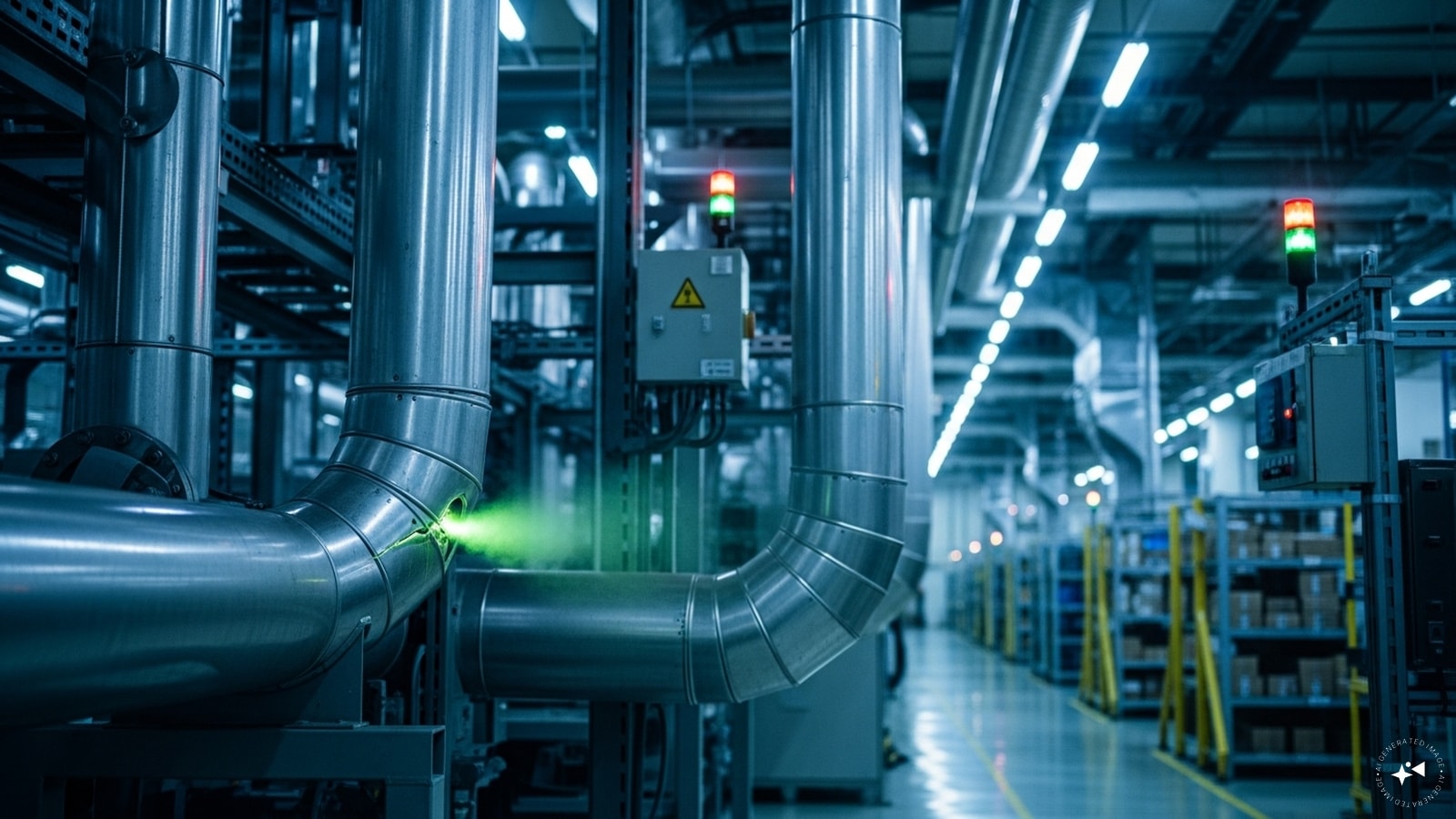
The incident began at 10:32 a.m. local time inside a sixth-floor gas room that connects the M15 and M15X production lines. These factories are crucial hubs for manufacturing advanced memory chips. During a test of a fluorine gas supply branch facility, a fire broke out.
Automated sprinkler systems reacted fast. They extinguished the flames within 10 minutes, but the heat and damage triggered a leak of highly toxic fluorine gas. Sensors picked up a concentration of 5.3 ppm of fluorine in the air.
SK Hynix did not take chances. Management ordered an immediate emergency evacuation, sending more than 3,600 employees streaming out of the buildings.
The human toll was thankfully limited, but still significant for the workers involved. Eleven people suffered injuries, with seven requiring hospitalization. Five workers complained of severe eye irritation, while others were monitored by medical teams at the company's in-house clinic and local hospitals. By 1:38 p.m., emergency response teams fully cleared the residual gas. Air quality testing cleared the buildings, and workers returned to their stations.
The Chemistry of Silicon Valley's Dirty Secret
Chip fabrication looks like a pristine, futuristic enterprise. Engineers wear white bunny suits in ultra-clean rooms. Yet, behind that sterile image lies a massive dependency on highly dangerous chemicals.
Fluorine and hydrogen fluoride are foundational to modern chip making. Factories use these gases for cleaning wafer surfaces and etching microscopic pathways onto silicon. They are incredibly effective at eating away unwanted materials, but they are equally devastating to human tissue.
- Fluorine Gas: Extremely reactive and corrosive. It damages the eyes, skin, and respiratory tract instantly upon contact.
- Hydrogen Fluoride: Can penetrate skin and cause deep, painful chemical burns that destroy tissue and affect bone health.
The presence of these gases means that a minor technical glitch during facility testing can escalate into a hazardous materials crisis in seconds. It shows why safety systems must be flawless. If those automated sprinklers and gas scrubbing units had failed to engage, we would be discussing a catastrophic tragedy instead of a temporary evacuation.
Why the Tech Market Didn't Panic
Whenever a major memory manufacturer like SK Hynix or Samsung faces a factory disruption, Wall Street and tech buyers instantly prepare for price hikes. We have seen it before. Past fires, power outages, and earthquakes at semiconductor plants have caused DRAM and NAND flash memory prices to skyrocket overnight.
This time, the markets stayed calm for a simple reason. The company stated that production equipment was completely unaffected. Because the fire and leak occurred in a connecting gas supply room rather than inside the main clean rooms where chips are actively processed, the machinery kept running.
SK Hynix confirmed there will be no production delays. That is massive news for a company that recently joined the US$1 trillion valuation club due to its dominance in AI memory chips, specifically High Bandwidth Memory (HBM). Tech giants relying on these components for AI data centers avoided a massive logistical headache.
Mitigating Facility Risks in Precision Manufacturing
If you operate a high-tech facility or manage a complex supply chain, you cannot simply cross your fingers and hope accidents don't happen. The Cheongju incident offers clear lessons on how to handle industrial safety without destroying operational continuity.
Redundant Automation Saves Lives
The automated sprinkler system saved the Cheongju plant from a catastrophic shutdown. Do not skimp on automated mitigation. Human response times are too slow when handling pressurized toxic gases. Fire suppression and gas shut-off valves must link directly to environmental sensors.
Rigid Testing Protocols Work
The fire occurred during a pre-operation test, not during standard mass production. This indicates that safety protocols during testing phases were active. When testing new lines or maintenance work, isolate the branch facilities completely from the active workforce to minimize exposure if something blows.
Tiered Evacuation and Communication Plans
Evacuating 3,600 people from a high-tech environment without causing a stampede requires regular drills. SK Hynix cleared the site, neutralized the gas, checked air quality, and got people back to work in roughly three hours. Your emergency blueprint needs to account for fast air-recirculation checks so you can resume operations safely without prolonged downtime.
The line between a minor operational hiccup and a global supply chain crisis is razor-thin. This time, automated safety systems did their job. Next time, a competitor might not be so lucky. Review your facility safeguards and hazardous material handling rules before a leak forces the choice upon you.