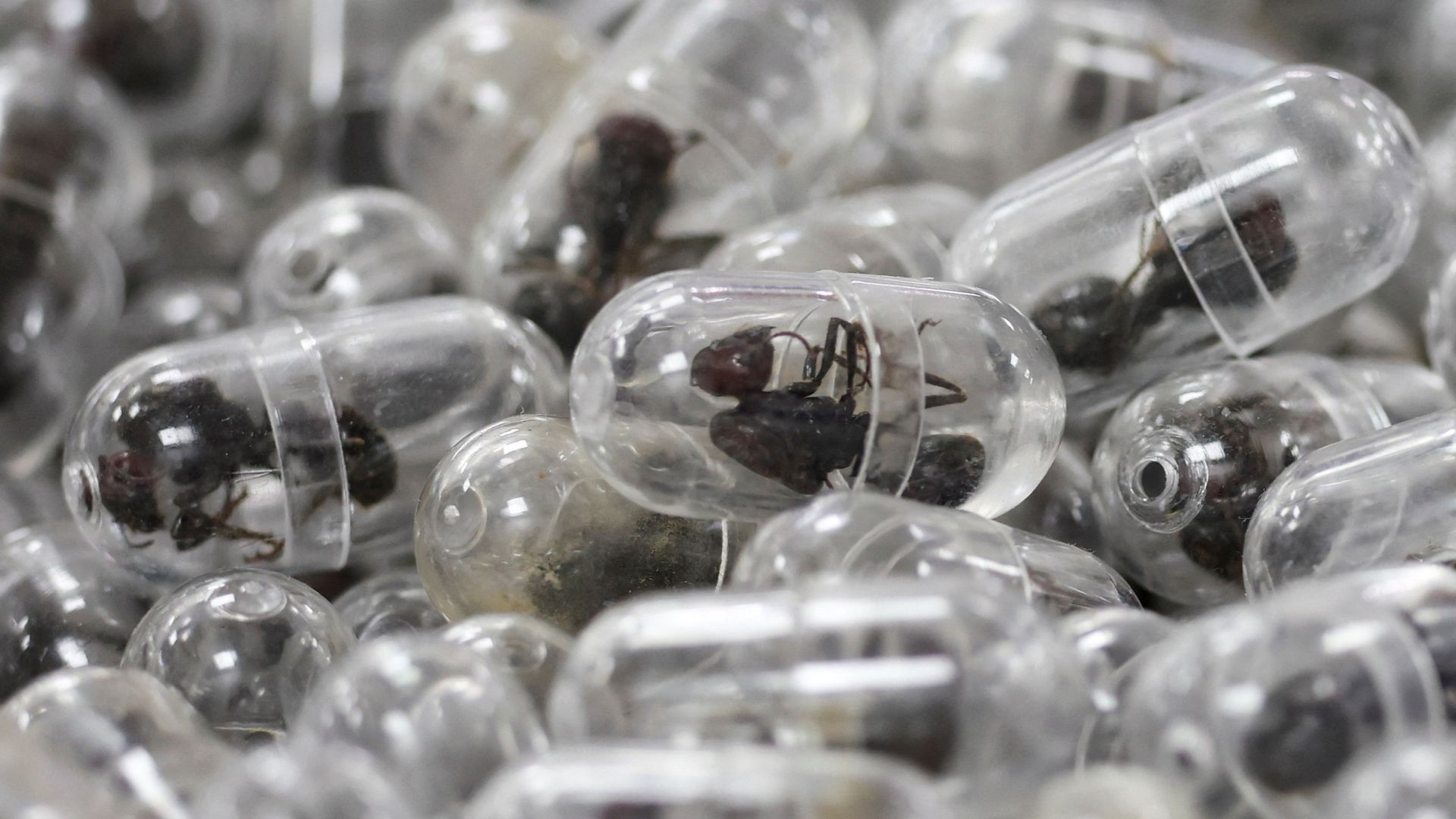
Buying a souvenir usually involves a beaded bowl or a wood carving. It doesn't involve stuffing 2,000 live insects into your luggage and hoping the X-ray tech is having a bad day. Yet, a Chinese national recently learned that Kenya's wildlife laws aren't just for rhinos and elephants. He tried to move thousands of live ants across borders and found himself facing a judge instead of a boarding gate.
It’s easy to think of small insects as insignificant. People swat them every day. But when you try to export a massive colony without a permit, you're not just a guy with a weird hobby. You're a biosecurity threat and a poacher in the eyes of the law. This case highlights a growing, bizarre trend in the global black market that most people aren't even aware exists.
The Secret World of Ant Trafficking
The man, identified as Zhang Shengbao, was intercepted at Jomo Kenyatta International Airport. He was headed back to China with a collection that would make any entomologist blink. He didn't have two or three ants. He had 2,000. They were carefully packed, suggesting this wasn't some accidental hitchhiker situation.
Kenya’s Jomo Kenyatta International Airport (JKIA) has ramped up its security protocols over the last few years. They've dealt with ivory, pangolin scales, and sandalwood. Seeing thousands of tiny moving legs on a scanner was probably a new one for the shift lead, but the legal reaction was swift. Under the Wildlife Conservation and Management Act, exporting any part of Kenya's biodiversity without a license is a serious crime.
Why ants? It sounds absurd until you look at the price tags. In the "ant keeping" community, rare African species can fetch hundreds or even thousands of dollars per queen. Some collectors want the biggest, the most aggressive, or the most colorful. Kenya’s diverse ecosystems provide exactly what these high-end hobbyists crave.
Why the Kenyan Legal System Took This Personally
The court didn't just give him a slap on the wrist. Zhang was sentenced to three years in prison or a massive fine of 200,000 Kenyan shillings. For a lot of people, that seems harsh for "just bugs." It’s not.
Kenya protects its biodiversity with an iron fist because the risks are massive. If someone takes a native species out, they're stealing genetic material. If those ants escape in a new country, they can become invasive species that wipe out local crops or kill off native insects. We’ve seen this happen with fire ants and crazy ants globally. It costs billions in damage.
The magistrate in the case made it clear that the sentence was meant to be a deterrent. Kenya is tired of being treated like a grocery store for international traffickers. Whether it’s a tusk or a termite, the law treats it as theft from the Kenyan people.
The Scale of the Seizure
- Total Count: Over 2,000 live ants.
- Method: Concealed in personal luggage.
- Origin: Various ecological zones within Kenya.
- Destination: China, where the exotic pet market is booming.
The Exotic Pet Market is Driving Illegal Exports
The demand for exotic pets in Asia has shifted. It’s no longer just about birds or reptiles. Invertebrates are the new frontier. They're easier to hide, cheaper to ship, and harder for customs agents to identify. Zhang likely knew that once he got past Nairobi security, the chances of being caught in transit were slim.
Many traffickers use "mules" or small-time couriers to move these insects. They're packed in test tubes with damp cotton plugs. They don't need food for a few days, and they don't make noise. It's the perfect contraband if you're willing to risk a jail cell.
But the "ant hobby" has a dark side. When you buy an exotic queen online, you rarely see the paperwork. You don't know if she was legally harvested or if someone like Zhang stuffed her in a suitcase. By buying these insects, hobbyists are directly funding the destruction of the environments they claim to love.
Biosecurity Risks You Should Care About
If you think this doesn't affect you, think again. Biosecurity is the only thing keeping our food supply stable. Invasive ants can protect aphids, which then destroy fruit trees and grain crops. They can get into electrical boxes and cause fires. They can even outcompete the local bees that pollinate our gardens.
When Zhang tried to move those 2,000 ants, he was bypassing every single health and safety check designed to prevent ecological collapse. This isn't just about protecting Kenya's "stuff." It's about preventing a biological disaster on the other side of the world.
China has been tightening its own biosecurity laws recently because of cases like this. They've seen an explosion of "alien" species entering through the mail or in luggage. It's a global game of cat and mouse, and the stakes are much higher than a few jars of dirt.
How to Stay on the Right Side of the Law
If you're traveling through Kenya or any country with rich biodiversity, don't pick up the wildlife. It sounds like common sense, but the temptation to bring back a "piece of nature" is real for some people.
- Assume everything is protected. From seeds to insects to sea shells, if it was alive, you probably need a permit to move it.
- Check the CITES list. The Convention on International Trade in Endangered Species lists what’s restricted. Even if a bug isn't on there, national laws usually fill the gaps.
- Buy from licensed vendors. If you want a souvenir, stick to the shops that provide receipts and export certificates.
- Don't trust "it's just an insect" logic. As Zhang found out, the judge doesn't care how small the animal is. The law applies to the 2,000th ant just as much as the first one.
Kenya’s message is loud. Our nature is not for sale. If you try to sneak it out, you’re going to spend your vacation in a cell. The fine might seem high, but the cost of an invasive species outbreak is much higher.
Stop looking for shortcuts in the pet trade. If you can't find a legal, captive-bred source for your hobby, you shouldn't have it. The risks to the planet—and your own freedom—just aren't worth it. Check your local regulations and the laws of your destination before you even think about packing your bags.