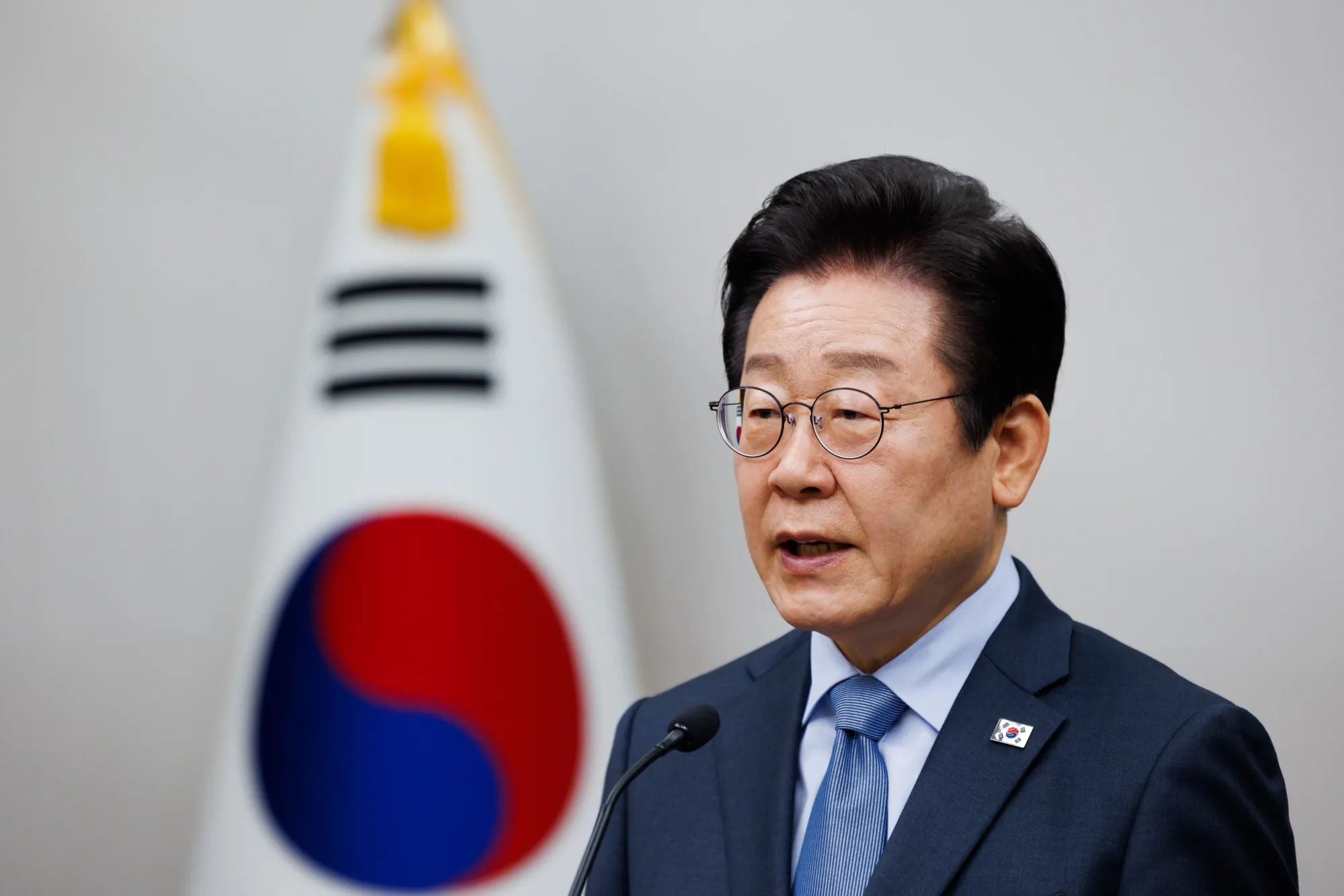
Diplomatic visits often feel like rehearsed theater, but South Korean President Lee Jae-myung's stop at Rajghat today wasn't just about the photos. When Lee and First Lady Kim Hea-kyung laid a wreath at the memorial of Mahatma Gandhi on Monday, they weren't just honoring a historical figure. They were signaling a massive shift in how Seoul views New Delhi. For the first time in eight years, a South Korean leader is on Indian soil with a mission that goes far beyond ceremonial handshakes.
The world is a mess right now. With the Strait of Hormuz effectively closed and global energy prices swinging wildly, Lee isn't here just for a history lesson. He's here because South Korea is desperate for a partner that isn't China or a volatile Western power. India fits that bill.
The strategic weight of Lee Jae-myung at Rajghat
Visiting Rajghat is the standard "Day 2" protocol for any head of state in India, but the timing for Lee Jae-myung is critical. He just took office in June 2025, and this is his first major state visit to India. By paying tribute to Gandhi, Lee is tapping into the "shared values" narrative that diplomats love, yet the underlying reality is much more pragmatic.
India and South Korea are currently stuck at around $25 billion in bilateral trade. That sounds like a lot until you realize they’ve been talking about hitting $50 billion for years. Lee’s presence at the memorial signifies a "reset." It’s an admission that the Special Strategic Partnership needs more than just words—it needs a physical presence.
The First Lady’s participation matters too. Her involvement in these cultural milestones helps soften the image of a relationship that has, frankly, been a bit too focused on selling cars and washing machines.
Beyond the flowers and the wreaths
If you think this trip is only about Gandhi’s legacy, you’re missing the bigger picture. After the Rajghat visit, Lee is moving straight into high-stakes talks with Prime Minister Narendra Modi. Here’s what’s actually on the table:
- The Shipbuilding Pivot: India wants to dominate the seas by 2047. South Korea is the world leader in shipbuilding. Deals between Cochin Shipyard and Korean giants like HD Hyundai aren't just business; they're about building a maritime ecosystem that can bypass traditional bottlenecks.
- Energy Security: With the Middle East in a tailspin, Lee is looking to India for naphtha and green ammonia. Reliance Industries and Samsung C&T already have a deal in place. This visit is about scaling that up so both nations don't freeze if the oil stops flowing.
- The Semiconductor Race: South Korea has the tech; India has the talent and the space. Lee wants to integrate Korean semiconductor expertise into India’s rapidly growing ecosystem.
Why this isn't just another diplomatic photo op
Most people ignore these state visits because they seem repetitive. That's a mistake. In 2025, both India and South Korea were hit by aggressive US tariffs. That shared pain has pushed them closer. They’re realizing that "Middle Powers" need to stick together when the big players start acting up.
Honestly, the defense side of things has been disappointing lately. Aside from the K9 Vajra howitzers, most joint ventures—like the minesweeper deal—have gathered dust. Lee Jae-myung’s visit is designed to cut through the red tape that has stalled these projects for years. If he can't get the diesel-electric submarine deal back on track now, it might never happen.
What happens next for the India-Korea bond
The flowers at Rajghat will wilt, but the policy shifts starting today will stick. If you’re watching this space, don't look at the smiles; look at the signatures. By the time Lee leaves on April 21, we should see a clear roadmap for the $50 billion trade target.
You should expect more collaboration in "Critical and Emerging Technologies." This isn't just a buzzword. It means Korean AI and Indian software engineers working on the same platforms. It means a supply chain that doesn't break every time there's a conflict in West Asia.
If you’re a business owner or an investor, pay attention to the new Plan of Implementation signed with the Korea International Cooperation Agency (KOICA). It’s specifically focused on skill development in the maritime sector. That’s where the real money and growth will be in the next five years.
Lee’s visit isn't a trip down memory lane. It’s a survival strategy for a fractured global economy.
Keep a close eye on the joint statement following the Modi-Lee summit. If it mentions "Strait of Hormuz" and "Semiconductor Supply Chains" in the same breath, you'll know the Rajghat visit did its job in setting the stage for a much harder, more necessary conversation about the future.