A wooden fishing trawler, its blue paint chipped by salt and sun, bobs on the edge of the Male atoll. Ahmed grips the rough twine of his net. His hands tell a story of forty years at sea, catching skipjack tuna in the deep waters of the Maldives. For men like Ahmed, the ocean is not a vacation destination or a postcard. It is a ledger. Every fish caught is a payment on his daughter’s tuition; every storm is a week of zero income.
Lately, the ledger has been harder to balance. The cost of ice to keep the catch fresh has crept upward. Diesel prices refuse to budge. When Ahmed looks north toward the vast horizon of the Indian Ocean, he is looking toward India, a marketplace of 1.4 billion people just across the water. Yet, an invisible wall of tariffs and paperwork has always stood between his boat and those millions of dinner tables.
Now, that wall is showing cracks.
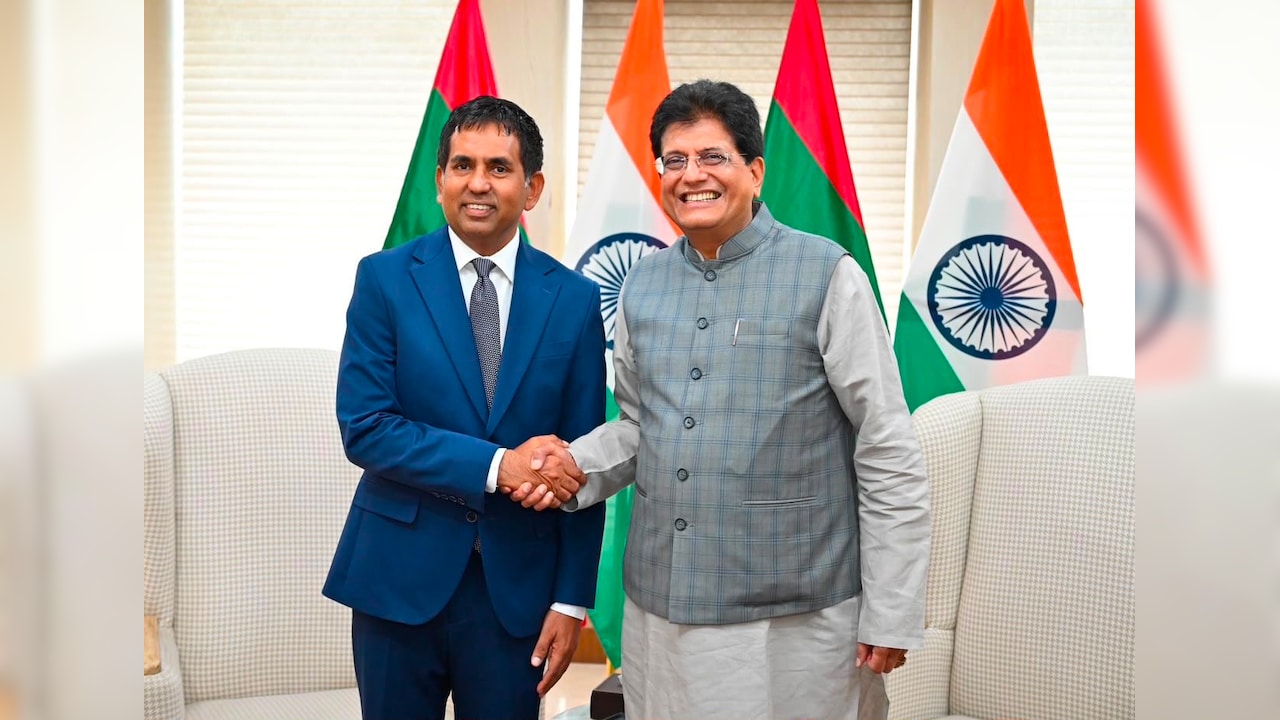
In quiet diplomatic rooms far removed from the spray of the ocean, the governments of India and the Maldives have begun negotiations for a comprehensive Free Trade Agreement. On paper, it looks like a standard bureaucratic exercise. The press releases use dry, mechanical terms like "economic cooperation" and "trade liberalization." But strip away the political jargon, and this is a story about survival, geography, and the ancient, undeniable pull of proximity.
The Weight of an Island
To understand why a trade pact matters, you have to understand the sheer vulnerability of being an island nation.
Imagine running a household where you cannot produce your own rice, your own medicine, or your own construction materials. Every brick, every onion, and every tablet of paracetamol must travel across hundreds of miles of ocean to reach you. The Maldives imports nearly everything. When global supply chains shudder, the shockwaves hit the shelves in Male within days.
India has traditionally been the neighbor that fills those shelves. During emergencies, it has been the first to send drinking water, vaccines, and essential grains. But charity is a temporary band-aid. Sustainable economics requires a two-way street.
Right now, a Maldivian exporter wanting to sell premium yellowfin tuna to New Delhi faces a gauntlet of duties that eat into the profit margins. Conversely, an Indian entrepreneur looking to set up a renewable energy grid in the outer atolls must navigate complex regulatory hurdles. The current negotiations aim to dismantle these barriers, systematically slashing tariffs on a wide array of goods and services.
Consider the arithmetic of a single tomato. Grown in the fields of Tamil Nadu, it is cheap. By the time it is packed, flown or shipped to Male, inspected, taxed, and placed in a grocery bin, its price has multiplied. For a local resort worker or a schoolteacher, that price tag represents a choice between fresh produce and cheaper, processed alternatives. A trade agreement directly targets that inflation. It shortens the economic distance between the farm and the kitchen table.
Beyond Postcards and Luxury Resorts
Most people view the Maldives through a highly filtered lens. They see overwater bungalows, turquoise lagoons, and high-net-worth individuals sipping champagne on private decks. That Maldives exists, but it is an illusion that masks the broader economy.
Tourism accounts for over a quarter of the Maldivian GDP. When the world stops traveling—as it did during the recent global pandemic—the entire nation’s economy stalls. Diversification isn't a luxury; it is a matter of national security.
Maldivian Economy: The Balancing Act
┌────────────────────────┐     ┌────────────────────────┐
│   Current Landscape    │     │   The FTA Objective    │
├────────────────────────┤     ├────────────────────────┤
│ • Heavy Tourism Relian.│     │ • Boost Fish Exports   │
│ • High Import Costs    │ ──> │ • Lower Food Prices    │
│ • Vulnerable Supply    │     │ • Service Sector Growth│
└────────────────────────┘     └────────────────────────┘
The free trade talks are designed to look beyond the beaches. They focus heavily on the service sector, local manufacturing, and the fishing industry. If Maldivian fisheries get duty-free access to Indian supermarkets, it changes the game for local communities. Ahmed’s catch isn't just sold to the local middleman for a pittance; it enters a massive regional supply chain.
But this isn't a one-sided story of a giant helping a neighbor. India gains a vital, strategic foothold in a region where economic influence is heavily contested. By opening its markets, New Delhi ensures that its own manufacturing hubs, pharmaceutical companies, and agricultural sectors have a captive, appreciative market right in their backyard. It is a partnership built on mutual self-interest, which is the only kind of partnership that lasts in geopolitics.
The Invisible Stakes
There is a natural skepticism that accompanies these grand announcements. History is littered with trade agreements that look brilliant on a signed parchment but fail to alter the lives of ordinary citizens. The details of these negotiations are notoriously dense, involving thousands of product lines, rules of origin, and legal safeguards.
The real challenge lies in the execution. Will small businesses in Male be overwhelmed by a flood of cheap Indian imports? Will local artisans be crowded out? These are the anxieties whispered in the markets of the capital. Trust is fragile, and economic asymmetric relationships—where one partner is a global superpower and the other is a small archipelago—always carry a hint of anxiety.
To address this, negotiators are discussing phased tariff reductions, giving local Maldivian industries time to adapt and strengthen. It is a delicate dance of balancing protectionism with openness.
The sun begins to set over the harbor, painting the sky in deep shades of amber and violet. Ahmed ties his boat to the pier, his catch sold, his profits meager but sufficient for the day. He knows nothing of the specific clauses being debated in the ministry offices, nor does he care for the political photo-ops.
He cares about the cost of the net in his hands and the price he can get for the fish in his hold.
As the negotiators argue over percentages and legal frameworks, the true measure of their success will not be found in GDP charts or bilateral communiqués. It will be found here, on the docks, determined by whether a fisherman can look at the ocean and see a future that is a little more secure, a little more predictable, and entirely within his reach.