Early word rolling out of critical circles paints a striking picture for the future of Sony and Marvel Studios' joint venture. Critics and early reviewers are aggressively positioning Spider-Man: Brand New Day as the definitive high-water mark for the Tom Holland era. This praise arrives not from the usual hyper-inflated marketing hype cycles, but from a calculated structural shift in how Hollywood constructs blockbuster franchises.
For nearly a decade, audiences watched Peter Parker balloon from a scrappy Queens teenager into a cosmic-adjacent avenger wrapped up in Infinity Stones, multiversal incursions, and global stakes. Every sequel had to outscale the last. The collateral damage grew exponentially, and the emotional intimacy of the character got lost beneath layers of CGI spectacle.
Now, the pendulum is swinging hard in the opposite direction.
The Fatigue of Escalation
Hollywood suffers from a chronic lack of restraint. When a formula works, studios push the accelerator until the engine catches fire. The Marvel Cinematic Universe spent years training moviegoers to expect higher stakes, larger threats, and expanding cinematic universes with every single release.
Yet, superhero fatigue is real, and it stems directly from narrative inflation.
Consider what happened after Spider-Man: No Way Home. That film functioned as a massive multiversal celebration, bringing together three generations of cinematic web-slingers in an event of staggering proportions. It cleared nearly two billion dollars globally. Replicating that feat by going bigger was impossible. Any attempt to introduce an even larger multiversal threat would have triggered immediate audience exhaustion.
Smart producers recognized this wall. Instead of trying to scale Mount Everest again, they walked back down to the foothills.
Returning to the Ground Level
The core appeal of Spider-Man has never resided in saving the universe from galactic warlords. The character works best when the stakes are intensely personal, localized, and financially precarious. Spider-Man: Brand New Day leans directly into this reality by stripping away Stark Industries tech, global protection programs, and cosmic allies.
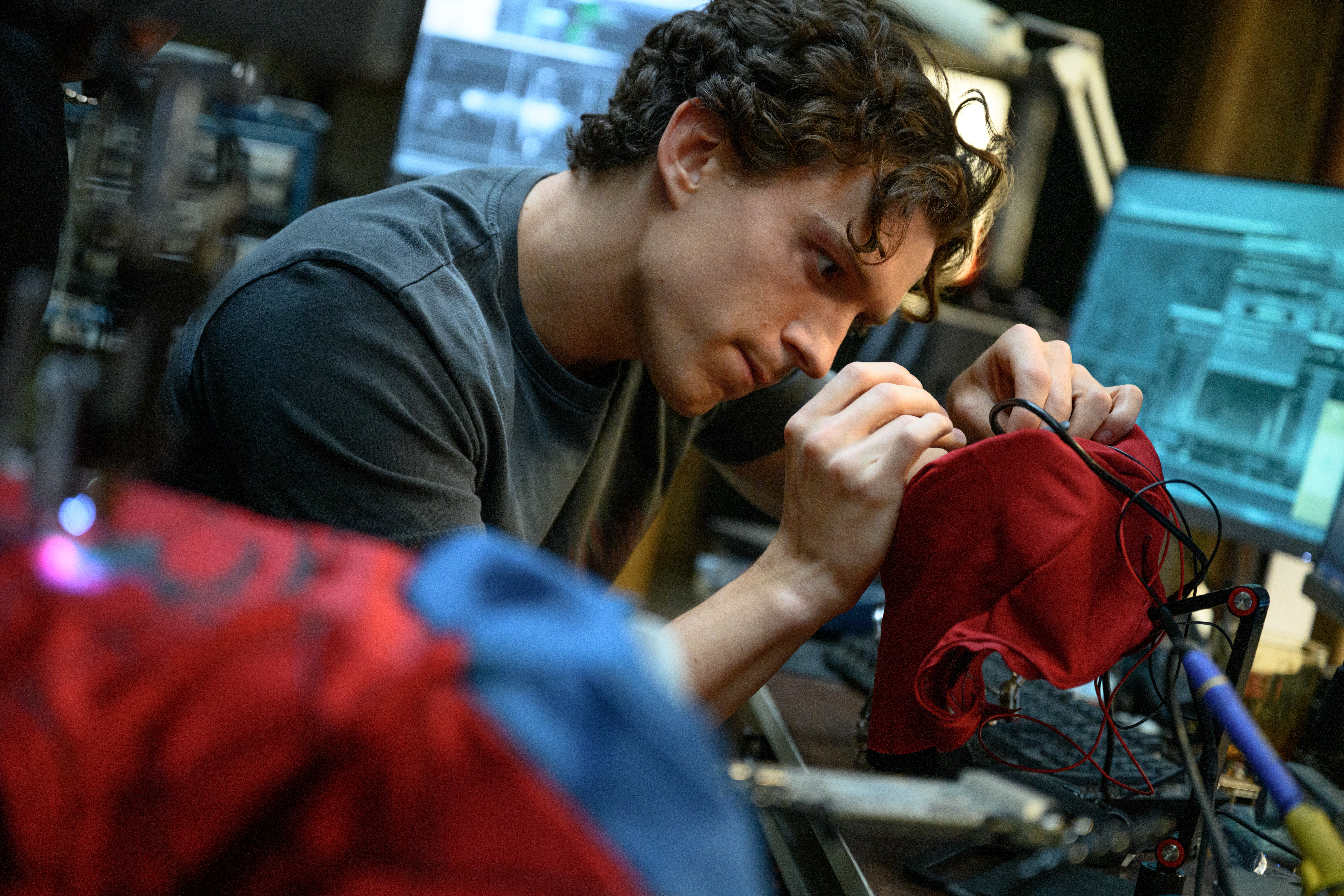
Peter Parker is alone. He is anonymous. He is struggling to pay rent in a cramped New York apartment while balancing a grueling undergraduate schedule and the physical toll of street-level vigilantism.
This is the exact formula that made the character an enduring icon in comic books for decades. By narrowing the narrative focus, the filmmakers created room for actual character development.
- Financial insecurity replaces multiversal portals as a primary source of tension.
- Local crime syndicates and corrupt municipal officials replace universe-ending threats.
- Interpersonal relationships take precedence over CGI-heavy third-act battles in generic empty cities.
Industry insiders note that this creative pivot was not accidental. Following years of audience complaints regarding bloated runtimes and messy digital effects, studio executives mandated a return to practical locations, grounded stunt work, and tighter scripts.
The Tom Holland Evolution
Tom Holland entered the franchise as an energetic teenager thrust into an ensemble cast. He shared screen time with Iron Man, Captain America, and Doctor Strange. He rarely had to carry a movie entirely on his own dramatic shoulders.
As he matured into his late twenties, his acting range expanded significantly. Viewers who watched him tackle grueling dramatic roles outside the Marvel bubble saw an actor capable of carrying genuine emotional weight. Spider-Man: Brand New Day utilizes this growth.
The performance here is quieter, more weary, and markedly less reliant on nervous banter. Holland plays a young man who has endured profound trauma and loss, yet must wake up every morning to pull on a spandex mask and stop a purse-snatcher. That dichotomy creates a rich texture that previous entries lacked.
Critics pointing to this film as the best of the era are responding to this maturation. The character has grown up, and the filmmaking style finally grew up alongside him.
Economics of Scale and Risk
From a business perspective, scaling down a multi-million-dollar franchise is a counter-intuitive gamble. Major studios insure their massive quarterly earnings reports on four-quadrant behemoths that can pull in massive international box office numbers. A street-level drama featuring a man in a red-and-blue suit fighting localized thugs carries a different financial profile.
Production budgets for blockbusters routinely cross the two-hundred-million-dollar mark. When budgets climb that high, studios cannot afford narrative risks. Every scene must appeal to every demographic across every global market, which often results in a homogenized product designed by committee.
By pulling back the scope, Spider-Man: Brand New Day reportedly operated with a leaner budget and a more focused production schedule. This financial breathing room allowed the director to experiment with tone, mood, and pacing without the constant interference of panicked studio executives trying to protect a massive investment.
The Shift in Visual Style
One of the primary complaints leveled against modern superhero films is the prevalence of sterile, digital environments. Green screens and virtual production stages often leave actors performing in empty gray volumes, leading to flat lighting and unconvincing spatial awareness.
This entry took a different path. Principal photography utilized extensive practical locations throughout New York City. Real asphalt, authentic weather conditions, and tangible grit bleed through the digital projection.
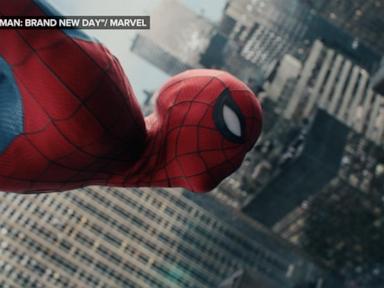
When Spider-Man swings between actual buildings rather than procedural computer-generated backdrops, the kinetic energy shifts. The physical danger feels palpable. A scraped knee or a torn suit carries weight because the environment looks and feels real.
The Multiverse Hangover
We cannot discuss this creative course correction without addressing the cultural fatigue surrounding alternate dimensions and time-travel variants. The concept of the multiverse served as a lucrative narrative band-aid for the industry during a transitional phase, but it ultimately cheapened cinematic stakes. If a character dies, an alternate variant can easily step in. If a universe is destroyed, another one waits just around the corner.
Consequence evaporated.
Spider-Man: Brand New Day treats the multiverse as a closed chapter. The slate was wiped clean at the end of the previous film—literally, through a spell that erased Peter Parker from the collective memory of everyone he loved.
This aggressive reset forces the narrative to deal with absolute finality. There are no safety nets. If Peter loses a friend, they are gone. If he fails to stop a local criminal, the neighborhood suffers real, irreversible damage.
What This Means for the Genre
The critical acclaim greeting this release signals a potential turning point for superhero cinema at large. Audiences are no longer impressed by bigger explosions or more complex CGI armies crashing into each other. They want stakes that matter on a human scale.
If this film performs as strongly at the box office as early tracking suggests, other studios will take notice. The era of the bloated, universe-spanning epic may finally be giving way to a more disciplined, character-driven style of franchise filmmaking.
The box office numbers will ultimately dictate the speed of this industry shift. But for now, the message from critics is loud and clear. Less is definitively more, and Spider-Man is finally back where he belongs on the gritty pavement of New York City.