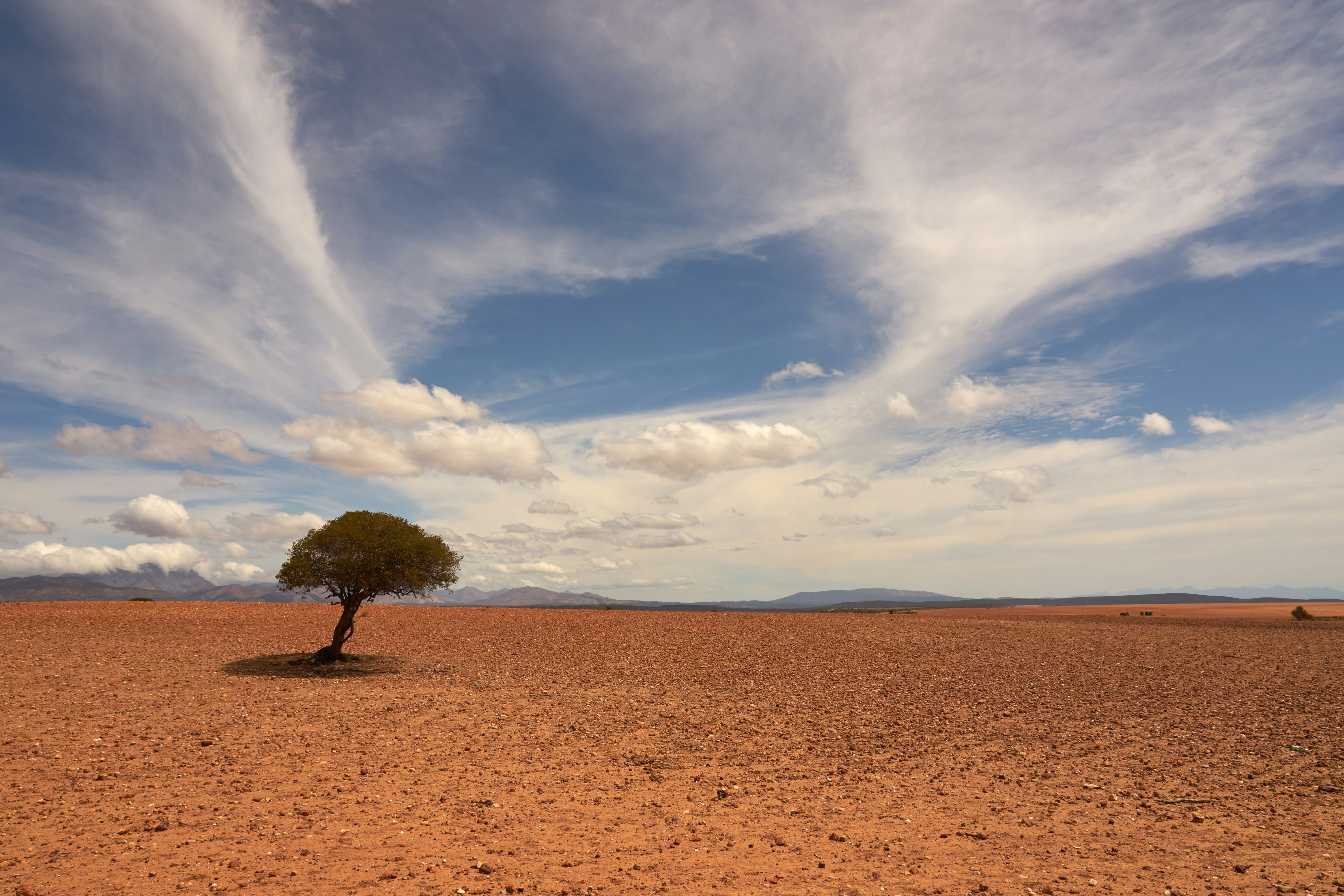
The headlines are screaming about a supersized El Nino taking shape, with UN officials warning of unprecedented temperature spikes and apocalyptic droughts heading into 2027. The narrative is neat, tidy, and entirely lazy. According to the mainstream consensus, a rogue Pacific ocean cycle is about to hijack global weather systems, forcing humanity into a defensive crouch against a natural anomaly.
It is a comforting illusion. It treats a symptom like a primary culprit while letting systemic global structural failures off the hook.
I have watched corporate boardrooms and municipal governments flush millions of dollars down the drain preparing for the wrong threat every time a major climate oscillation hits the news cycle. They stockpile sandbags for floods that never arrive or panic-buy drought mitigation tech while ignoring baseline infrastructural decay. The lazy consensus relies on treating El Nino as an exogenous shock—an act of meteorological God crashing an otherwise stable system.
The truth is much darker and more mundane. The system is already broken.
To understand why the panic over a 2027 temperature record misses the mark, we need to look at the mechanics. The World Meteorological Organization tracks the Nino 3.4 index, noting surface temperature anomalies spiking past 2 degrees Celsius above normal, with subsurface temperatures running over 8 degrees above average in parts of the tropical Pacific. Yes, these metrics are extreme. Yes, the coupling of this natural cycle with a heavily degraded global heat sink means the atmospheric lag will push global averages into record-shattering territory.
Yet, focusing entirely on the anomaly ignores the baseline. El Nino does not create energy; it redistributes it. The Pacific trade winds weaken, warm water sloshes eastward, and atmospheric circulation patterns shift. This is a predictable, recurring planetary heartbeat that has occurred every two to seven years for millennia. Blaming the cycle for structural catastrophes is like blaming the tide for sinking a ship built out of cardboard.
When cities flood or agricultural belts turn to dust, the damage is rarely a direct function of cubic inches of rain or degrees of heat. It is a function of brittle infrastructure, archaic zoning laws, and water management policies written in the nineteenth century.
Imagine a scenario where every municipal water authority stopped treating El Nino as an emergency and started treating it as a standard operating condition. The data has mapped these oscillations for decades. The correlation between Pacific sea surface temperatures and regional weather disruption is not a mystery. Yet, urban planners continue to build impervious concrete jungles that reject water rather than absorbing it, then express shock when a standard heavy rain event turns into a disaster compounded by a warm phase.
The obsession with the "Godzilla-level" tag attached to this cycle creates a dangerous psychological trap. It encourages fatalism. If an event is billed as an unprecedented, supersized monster beyond human control, leaders feel justified in doing nothing other than issuing grim warnings and waiting for the storm to pass. It transforms preparedness into theater.
Let us address the actual mechanics driving the panic. The real threat of the upcoming cycle is not the heat itself, but the systemic fragility it exposes in global supply chains and energy grids. When the tropical Pacific warms, agricultural yields in South Asia, Australia, and parts of Latin America face severe corrections. Energy demand skyrockets as cooling loads overwhelm grids already stressed by peak summer demands.
The mistake analysts make is looking at these failures as isolated weather-driven crises. They are actually financial and logistical vulnerabilities that were baked into the global economy long before the first sea surface temperature anomaly began climbing. Grain reserves are kept thin for efficiency. Power grids operate on razor-thin margins to maximize shareholder returns. Coastal cities continue to develop low-lying floodplains because real estate tax incentives reward short-term thinking over long-term survival.
When the UN warns that millions face acute hunger or disruption, they are pointing a finger at the weather while ignoring the distribution networks that fail long before a drought hits the fields. Water scarcity in agricultural sectors is frequently an allocation and efficiency failure, not an absolute lack of moisture. We lose massive percentages of potable and agricultural water to crumbling municipal distribution pipes before it ever reaches a crop or a tap.
The contrarian reality is that a strong El Nino is a stress test we actually schedule in advance. Unlike sudden earthquakes or localized flash floods, this phenomenon broadcasts its arrival months ahead of time with near-certainty. We have the telemetry. We have the predictive models.
Stop waiting for 2027 to break records while planning for the status quo. The weather is not becoming more malicious; our margin for systemic error is simply shrinking to zero. If you want to survive the next cycle, stop preparing for the storm and start dismantling the brittle infrastructure that makes a natural oscillation feel like the end of the world.


