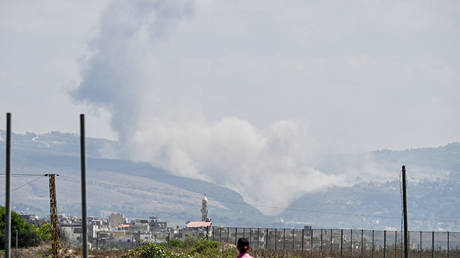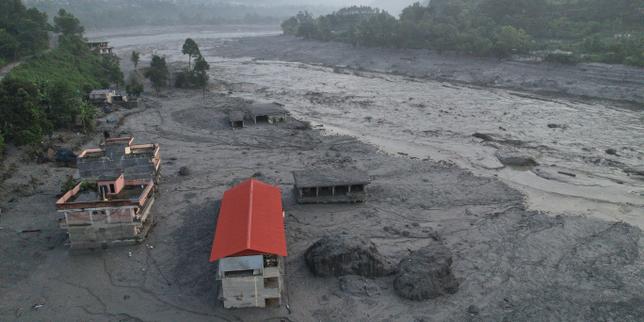
Every monsoon season, the media reaches for the same lazy narrative. Rivers swell, debris chokes valleys, and headlines scream about angry skies and merciless downpours. The standard report treats catastrophe as an act of divine malice. Seven hundred and fifty dead, rescue teams hamstrung by rising waters, and a region supposedly helpless against the fury of the elements. It is a comforting lie for bureaucrats and planners because it shifts the blame to the clouds.
Weather does not kill people. Bad infrastructure does.
When catastrophic floods tear through the Himalayan corridor spanning Nepal and the Tibetan plateau, the lazy consensus blames excessive rainfall alone. This perspective ignores the engineered vulnerability of modern river basins. I have spent years analyzing high-altitude engineering projects and regional disaster response metrics, and the pattern is always identical. We take dynamic, highly active geological zones, choke them with concrete, block natural sediment flows, and then act surprised when the water finds its old pathways with lethal force.
The Myth of the Unstoppable Deluge
The primary failure in disaster reporting is treating water volume as the sole metric of destruction. A cubic meter of water flowing through a natural, meandering channel behaves differently than the same volume funneled through narrow concrete embankments, blocked by poorly sited hydropower dams, or constricted by illegal shoreline encroachments.
Hydrologists and disaster researchers continuously point out that peak discharge rates matter far more than total precipitation. Yet, regional planning committees routinely ignore watershed carrying capacity. Road construction across the fragile slopes of the Himalayas destabilizes millions of tons of topsoil. When heavy rains arrive, that loose earth turns into debris flows, turning ordinary rivers into battering rams.
The water does not rise because the sky hates us. The water rises because we have systematically dismantled every natural sponge the landscape possessed.
Where Rescue Operations Actually Fail
Media coverage loves to focus on the heroic chopper pilots battling fog and raging torrents to pull stranded villagers from rooftops. It makes for compelling television. But romanticizing rescue operations masks the systemic failures of early warning architectures and logistics planning.
When communications networks collapse within the first hour of a flash flood, it is not an act of God; it is a failure of redundancy. When disaster management teams lack prepositioned assets because budgets were funneled into vanity infrastructure projects, body counts rise.
The bottleneck in Nepal and Tibet is rarely the height of the floodwaters. The bottleneck is institutional inertia. Local authorities rely on rigid, centralized command structures that cannot adapt to decentralized crises. By the time central clearance arrives for heavy machinery or aviation fuel, the window for effective extraction has closed.
The High Cost of Hydro-Development Insanity
We must talk about the elephant in the valley. The relentless push for run-of-the-river hydroelectric projects across fragile Himalayan river systems has fundamentally altered baseline flood dynamics.
Developers promise clean energy and local economic uplift. What they deliver are constricted river channels, massive sediment traps, and artificial choke points that exacerbate downstream surges when sluice gates must be opened suddenly under pressure. When an upstream dam faces structural compromise from landslides, operators face an impossible choice: hold the water and risk catastrophic dam failure, or release it and wipe out downstream settlements with zero warning.
Communities living along these riverbanks are treated as acceptable collateral damage in the grand march of regional energy independence.
A Better Framework For Survival
If we want to stop writing obituary statistics every single monsoon, we need to abandon disaster response theater and adopt aggressive structural realism.
- Ban all permanent construction within historical 100-year floodplains, regardless of political pressure from real estate or tourism lobbies.
- Decentralize emergency supply stockpiles down to the village level, removing bureaucratic gatekeeping from local relief access.
- Audit every existing hydropower installation for sediment management flaws and enforce mandatory, automated early warning sirens tied directly to upstream rainfall sensors rather than human dispatchers.
- Shift funding away from reactive rescue operations and into aggressive slope stabilization and bio-engineering projects that actually hold the mountainsides together.
Nature is not waging war on the Himalayas. We are waging war on hydrology, and the river is simply winning every single time. Stop waiting for the waters to recede to fix a crisis we engineered ourselves.