Every summer, the media treats us to the exact same tired script. The headlines scream about flesh-eating bacteria hiding in raw seafood, turning a localized biological reality into a sweeping panic porn production.
The lazy consensus is simple and predictable: avoid the raw bar, stay out of the ocean, and treat every oyster like a biological weapon.
It is a comfortable narrative for people who prefer fear to facts. It is also completely wrong.
If you understand how marine microbiology actually operates, the standard safety warnings are not just useless—they actively distract from the real vectors of risk. I have spent years tracking foodborne pathogens and watching public health agencies botch risk communication so badly that it borders on malpractice. They treat rare anomalies as systemic plagues, scaring people away from a nutrient-dense food source while completely missing the mechanics of how these organisms thrive.
Let us dismantle the panic and look at what is actually happening beneath the shell.
The Microbiological Reality Nobody Talks About
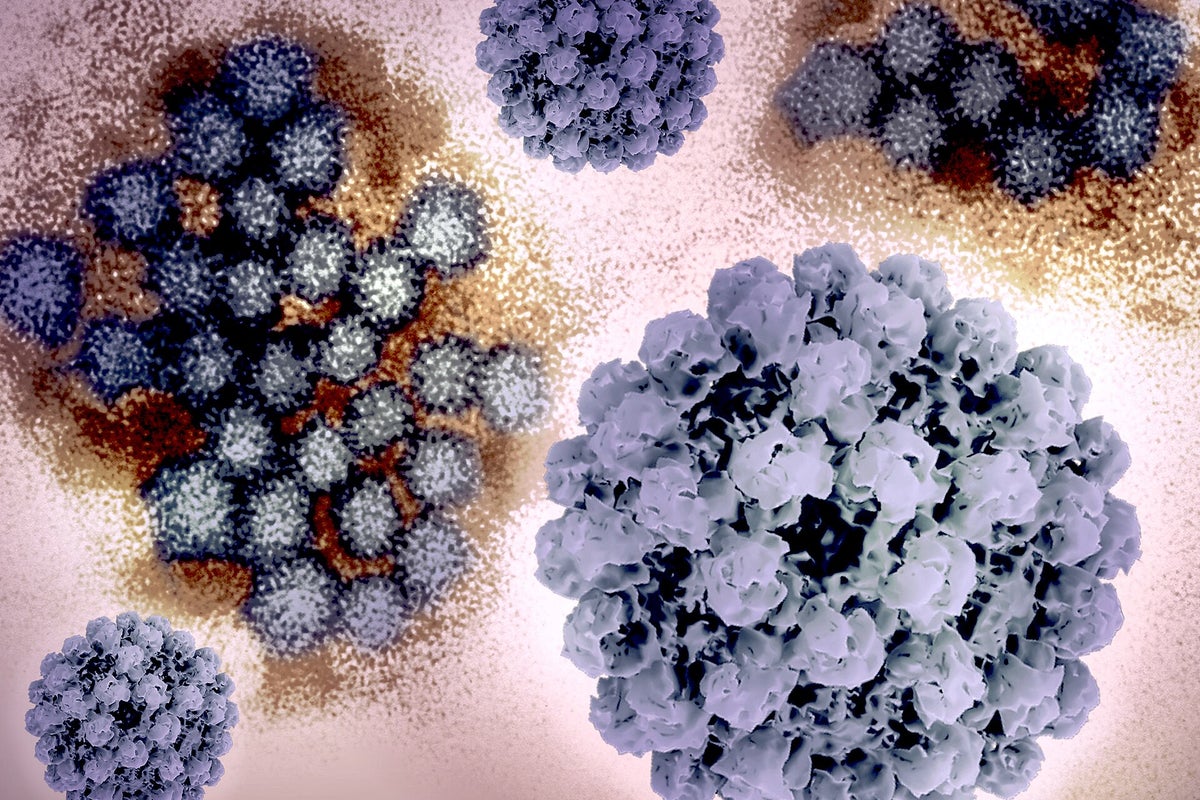
The culprit behind these terrifying headlines is Vibrio vulnificus. Publicists and sensationalist journalists love to call it a "flesh-eating bacteria" because it sells clicks. But the terminology is designed to terrify, not inform.
Vibrio is a naturally occurring genus of bacteria that lives in warm, brackish coastal waters. It thrives when the water temperature rises. It is not an invasive pollutant. It is not a sign of sewage dumping or industrial decay. It is a permanent resident of the marine ecosystem.
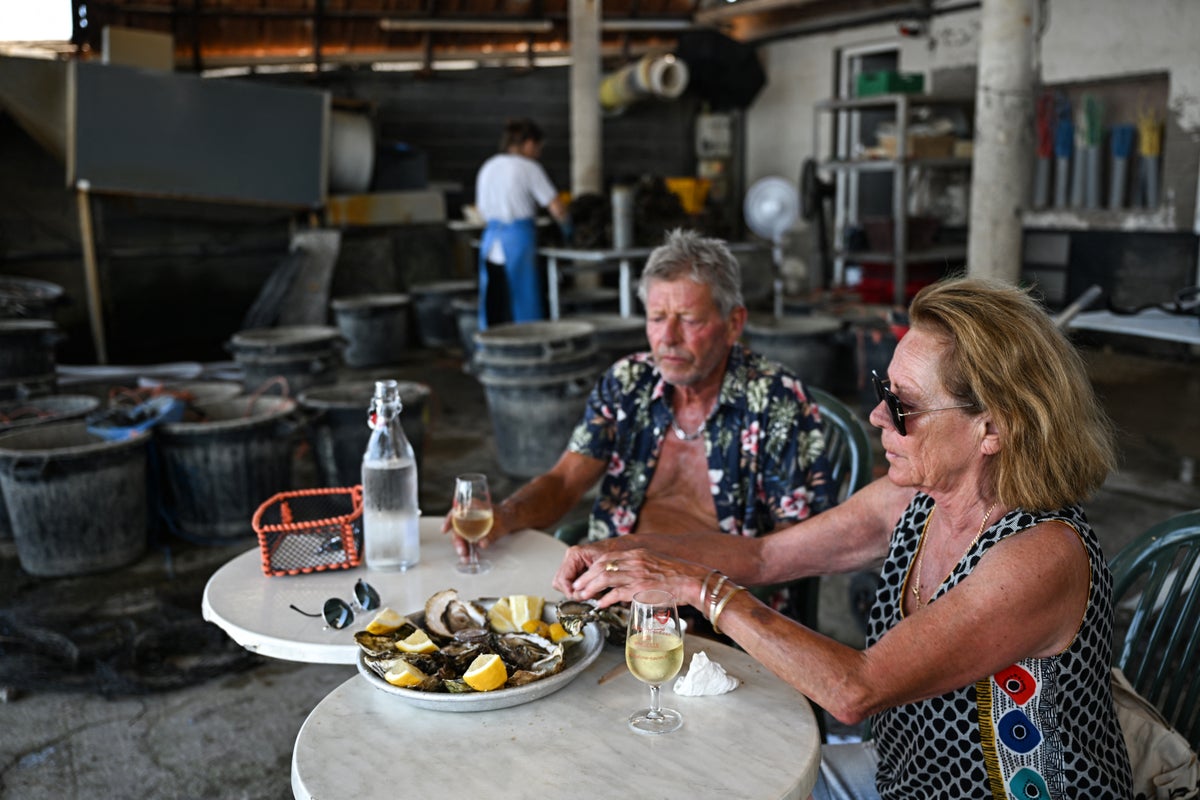
Oysters are filter feeders. They pump dozens of gallons of water through their bodies every single day, accumulating whatever is suspended in that water. That includes phytoplankton, silt, and yes, Vibrio bacteria.
Here is the part the mainstream narrative misses: Vibrio concentration in an oyster is entirely dependent on water temperature and post-harvest handling. It is a thermodynamic equation, not a moral failing of the seafood industry.
When water temperatures spike in the summer months, bacterial replication accelerates. If harvested oysters are left sitting on a warm deck instead of being iced immediately, the bacterial count explodes within hours. The oyster itself is just a passive vehicle.
Blaming the oyster for Vibrio is like blaming the highway for a car crash that happened because the driver cut the brakes.
The High-Risk Group Fallacy
Public health warnings usually end with a blanket statement: "At-risk populations should avoid raw oysters entirely."
While technically true, this advice is lazy. It paints with a broad brush because nuance requires too much effort for a public service announcement.
The overwhelming majority of severe, systemic Vibrio vulnificus infections do not happen to healthy people who simply had bad luck at a happy hour. They happen to individuals with specific, compromised underlying conditions—predominantly chronic liver disease, hemochromatosis, diabetes, or compromised immune systems.
Iron is the fuel that Vibrio uses to replicate rapidly in the human body. People with elevated serum iron levels or impaired liver function cannot clear the bacteria efficiently. When the bacteria enters their bloodstream, it multiplies at an exponential rate, leading to sepsis and necrotizing fasciitis.
For a metabolically healthy individual with normal gastric acid production and a functioning immune system, ingesting standard levels of Vibrio is usually a non-event. Your stomach acid handles it. Your white blood cells neutralize it. You might experience mild gastrointestinal discomfort, or you might never notice it at all.
Yet, the news cycles run identical stories warning a twenty-something marathoner and a seventy-year-old with end-stage cirrhosis with the exact same level of urgency. That is not public health education. That is mass delusion.
The Post-Harvesting Coverup
Let us look at where the real failure occurs. It is not in the pristine waters of well-managed bays. It is in the supply chain between the water and your plate.
I have watched distributors cut corners on refrigeration timelines to shave cents off logistics costs. In the heat of July or August, leaving a basket of oysters un-refrigerated for even two hours past harvest is an open invitation for bacterial multiplication.
Modern aquaculture has solutions. High-pressure processing can neutralize pathogens without cooking the meat. Rapid-chill protocols can drop internal temperatures below the replication threshold before the bacteria even realize they are out of the water.
Instead of forcing the supply chain to upgrade its cooling infrastructure, regulatory bodies rely on lazy consumer warnings. They put the burden of safety on the diner, telling you to inspect your food and ask questions the average waiter cannot answer, while letting sloppy distributors off the hook.
How To Actually Eat Raw Seafood Without Losing Your Limbs
If you want to navigate the raw bar without falling for the hysteria, you need a protocol based on physics and supply chain transparency, not fear-mongering headlines.
- Demand provenance: Never eat an oyster if the restaurant cannot tell you the exact body of water it came from and the date it was harvested. If the staff shrugs, walk away.
- Respect the cold chain: Oysters should be stored on fresh, melting ice, never sitting in a pool of warm water or stagnant air. If they arrive at your table warm or sluggish to close when tapped, send them back.
- Know your biological baseline: If you have a liver condition, diabetes, or take iron supplements, adjust your risk tolerance accordingly. Eat them cooked, where heat completely denatures the threat.
The media wants you to believe that nature is out to get you and that every raw bar is a chamber of horrors. The reality is far more mundane. It is about temperature control, biological context, and refusing to let sensationalism dictate your diet.
Stop trembling over seasonal headlines and start demanding accountability from the supply chain.