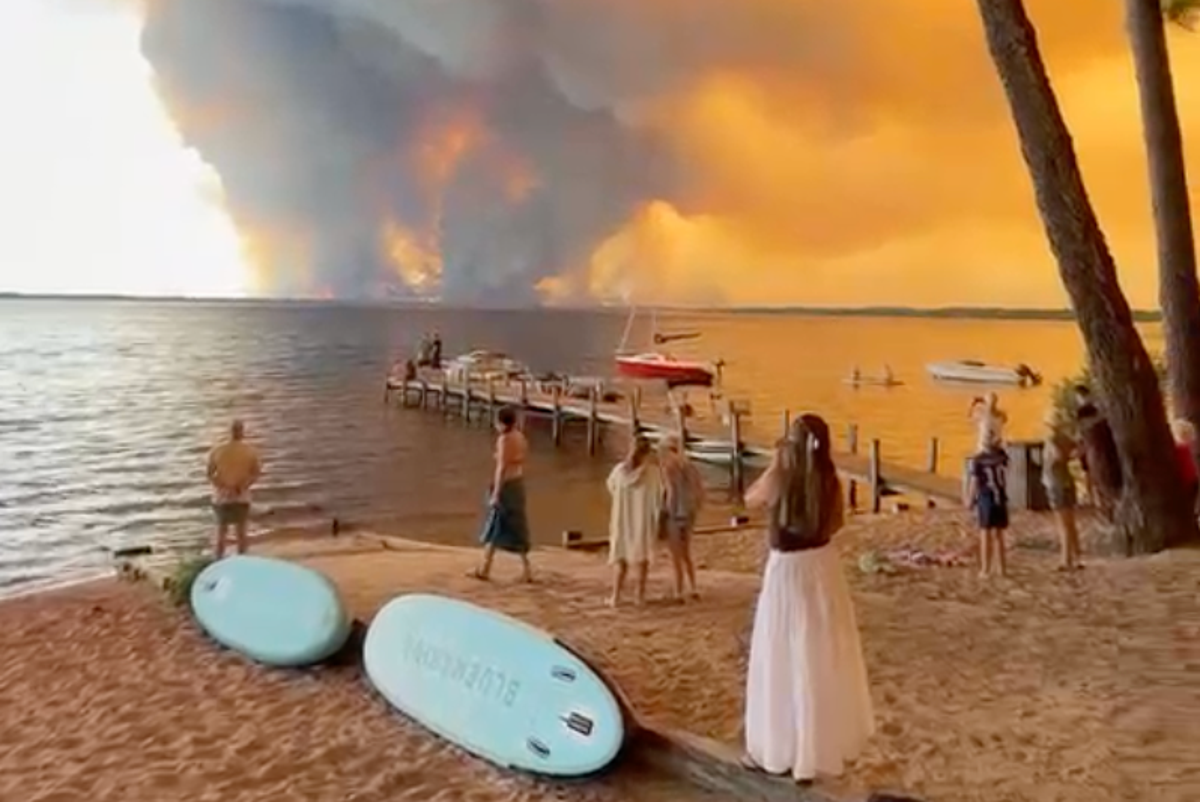
Every summer, the internet melts down over the same cinematic trauma porn. Orange skies over the Riviera. Shocked tourists staring at smoldering pines from lounge chairs. Headlines shriek about an apocalyptic new normal, painting southern France as a casualty of a sci-fi dystopia. The lazy consensus points the finger exclusively at climate change, wrings its hands over carbon footprints, and treats every burning hectare as an unpredictable act of meteorological God.
That narrative is intellectually lazy, dangerously incomplete, and actively prevents us from fixing the catastrophe.
I have spent the last decade walking through ash-choked timberlands across the Mediterranean basin, talking to local foresters who have watched bureaucratic idiocy tie their hands for thirty years. I have seen municipal leaders blow millions on high-tech water-dropping aircraft while ignoring the literal tinderboxes growing right up against suburban patios.
The French wildfires are not merely a climate crisis. They are a structural, political, and cultural failure of land management disguised as a weather event.
The Myth of the Unstoppable Inferno
Open any mainstream news report on the recent blazes near Marseille or the Var department, and you will read about unprecedented heatwaves and freak wind gusts. The subtext is clear: nature is angry, and humanity is helpless.
That is absolute nonsense.
Forests do not burn because it is hot. Forests burn because they have too much fuel. For decades, European conservation policy has embraced a romanticized, hands-off approach to nature. The prevailing bureaucratic ethos dictates that the best way to protect a forest is to leave it completely alone. No logging. No controlled burns. No grazing. Let nature take its course.
Nature takes its course, all right. It accumulates dry underbrush, deadfall, and invasive scrub until a single discarded cigarette or stray spark turns a protected green space into an open-air blast furnace.
When you prevent small, manageable fires for fifty years, you guarantee catastrophic mega-fires. This is basic ecology, yet urban policymakers in Paris treat the very idea of clearing timber or setting controlled burns like ecological vandalism.
The Tourism Paradox
Look closer at those iconic photos of beachgoers watching the orange pall from the shore. The juxtaposition is jarring by design. Vacationers sipping rosé while a hillside chars three miles inland.
The media frames this as callous indifference or surreal denial. The reality is far more mundane and cynical. Tourism is the lifeblood of the regional economy. Local authorities face intense pressure to downplay immediate threats until evacuation orders become legally unavoidable, prioritizing short-term hotel bookings over long-term public safety.
Coupled with this is the disastrous expansion of the rural-urban interface. People from northern Europe love buying picturesque stone farmhouses or modern villas tucked deep into heavily wooded hillsides. They want rustic charm without the rustic responsibilities. They demand pristine views of dense pines, effectively surrounding their homes with 30-foot columns of firewood.
When the inevitable happens, emergency responders are forced to risk their lives defending isolated properties that never should have been built there in the first place.
Why High Tech Is Lowering Our Guard
Whenever a blaze breaks out, governments rush to showcase their shiny new toys. Water-bombing Canadair planes roar across television screens. Drones map thermal plumes in real time. Politicians stand in front of command monitors looking grave and decisive.
It is all smoke and mirrors.
Aerial suppression is a glamorous band-aid. Planes do not put out wildfires; they slow them down long enough for ground crews to do the dirty, unglamorous work of cutting lines and clearing fuel. Yet, billions of euros flow into aviation contracts while local forestry budgets starve.
Imagine a scenario where a major city diverted half its aviation defense budget into localized biomass removal, pastoral goat grazing programs, and mandatory brush clearance for homeowners. The number of explosive initial attacks would plummet because the fires would simply run out of fuel before reaching crown-fire status.
Instead, we wait for the sky to turn orange, scramble the jets, and act shocked when the wind shifts.
The Cost of Aesthetic Conservation
Europeans have an almost spiritual attachment to how their countryside looks. Old-growth forests sound noble. Untouched wilderness sounds pure.
Ecology does not care about your aesthetic preferences.
A healthy Mediterranean ecosystem is naturally dynamic, shaped by frequent, low-intensity burns and active human stewardship. For centuries, traditional agro-pastoral practices—grazing sheep and goats through the understory, harvesting dead wood for fuel, and maintaining small agricultural buffers—kept the landscape naturally fragmented.
When we centralized governance, pushed people out of rural trades, and outlawed traditional land management under the banner of preservation, we created hyper-dense, continuous carpets of fuel stretching for hundreds of miles.
The orange skies are the direct invoice for a century of environmental micromanagement by people who have never held a chainsaw or walked a fire line.
What Actually Needs to Happen
If we want to stop treating symptoms and start curing the disease, we have to swallow some bitter pills that politicians are too cowardly to prescribe.
First, stop treating forests as museum exhibits. Active logging and commercial thinning are not environmental sins; they are essential tools for breaking up fuel continuity.
Second, enforce draconian zoning laws. If you build a home in a high-risk forestry zone, you should be legally required to maintain a defensible perimeter of zero-combustible space. If you fail to clear your brush, your insurance should be canceled, and municipal fines should be crippling.
Third, empower local foresters over remote bureaucrats. The people who live and work in the region understand the microclimates, the wind patterns, and the historical fire paths infinitely better than any ministry official sitting in an air-conditioned office hundreds of miles away.
Until we abandon the comforting delusion that nature will heal itself if we just look away, those apocalyptic orange skies will return every single summer. And no amount of beachside panic will change the fact that we built the matchbox ourselves.