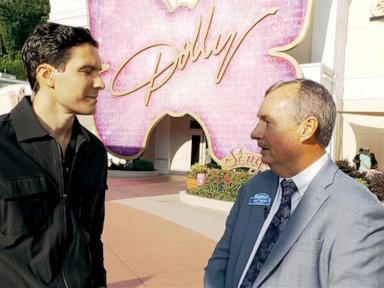
Corporate grief is big business. When a theme park president steps in front of a microphone to announce that an entire region is feeling brokenhearted after a disaster, the internet nods along, media outlets syndicate the quote, and consumers nod in solemn agreement. Everyone loves a sympathetic executive. Everyone eats up the public display of shared pain.
It is also an absolute distraction.
I have spent two decades watching corporate PR machines weaponize vulnerability. I have seen billion-dollar entities deploy emotional theater precisely when their operational resilience should be under the microscope. When a leader goes on camera to broadcast collective heartbreak, they are executing a textbook deflection. They are trading accountability for affect.
The lazy consensus says that a leader expressing raw emotion proves the company cares. The reality is much harsher. Compassion without structural competence is just noise. And in the amusement and hospitality sector, sentimentality is often used to mask systemic fragility.
The Economics of Manufactured Vulnerability
Let us look past the misty-eyed headlines and examine the actual mechanics of corporate crisis response. When catastrophe strikes a tourist destination, the immediate instinct of the executive suite is to humanize the brand. They want you to see a neighbor, not a corporation.
Imagine a scenario where a major park faces severe disruption, whether from weather, infrastructure failure, or economic shock. The standard playbook requires a tearful press conference, a vague nod to community resilience, and a plea for patience.
Why do they do it? Because emotion is unmeasurable. You cannot audit heartbreak. You cannot demand a refund on shared grief.
When a president declares that everyone is brokenhearted, they establish a psychic boundary. They group themselves with the victims, subtly shifting their status from the entity responsible for park safety and regional economic stability to a fellow sufferer caught in the current. It is a brilliant rhetorical judo move. It takes the target off their back and places it squarely on the abstract concept of fate.
I have sat in boardrooms where crisis communication consultants map out these exact emotional beats. The formula is simple: acknowledge the pain, project humility, and promise that healing takes time. Notice what is missing from that sequence? Any discussion of capital allocation, redundant infrastructure, or operational redundancies.
The Myth of Shared Suffering
The core falsehood in the prevailing narrative is the idea that a park operator and its patrons experience a crisis equally. They do not.
Dollywood is not a rustic cabin owned by a local family; it is a massive commercial enterprise backed by corporate infrastructure and massive revenue streams. When disaster hits, the enterprise has balance sheets, insurance policies, and cash reserves. The local hourly worker whose livelihood depends on park operations does not.
When an executive shares the spotlight of grief, they flatten these power dynamics. They invite you to view a commercial temporary closure as a mutual emotional tragedy. This is a profound insult to actual victims.
Real leadership during a crisis does not look like a tearful interview. Real leadership looks like boring, unsexy operational transparency. It looks like publishing exact timelines for payroll continuity. It looks like detailing supply chain redundancies. It looks like absorbing financial loss so the vulnerable people in the ecosystem do not have to bear the brunt of the shock.
The next time you see a headline quoting a corporate executive about how brokenhearted they are, ask yourself a single, brutal question: What is this emotion replacing?
Usually, it is replacing a balance sheet that fails to protect frontline staff, or a risk management strategy that prioritized short-term margins over long-term resilience.
The Uncomfortable Truth About Brand Loyalty
Consumers fall into this trap because they conflate product affection with moral alignment. You love the cinnamon bread. You love the mountain aesthetic. Therefore, you project noble intentions onto the corporate architecture behind it.
This is dangerous. Corporations are not your friends, your family, or your support group. They are risk-mitigation machines designed to generate returns while managing liability. Treating them like emotional partners guarantees that you will be manipulated the moment things go wrong.
When disaster strikes a beloved cultural institution, the correct response is not to mourn alongside the executives. The correct response is to demand rigorous, unromantic accountability. How much cash did they keep in reserve for structural recovery? What are their worker retention metrics during downtime? Are they treating their staff like disposable components or vital assets?
These questions do not make for good viral video clips. They do not generate sympathetic profile pieces in trade magazines. But they are the only metrics that actually matter.
Stop buying the performance. Stop trading hard-nosed scrutiny for easy sentiment.
If a company is truly brokenhearted, let them prove it with their ledger, not their larynx.


