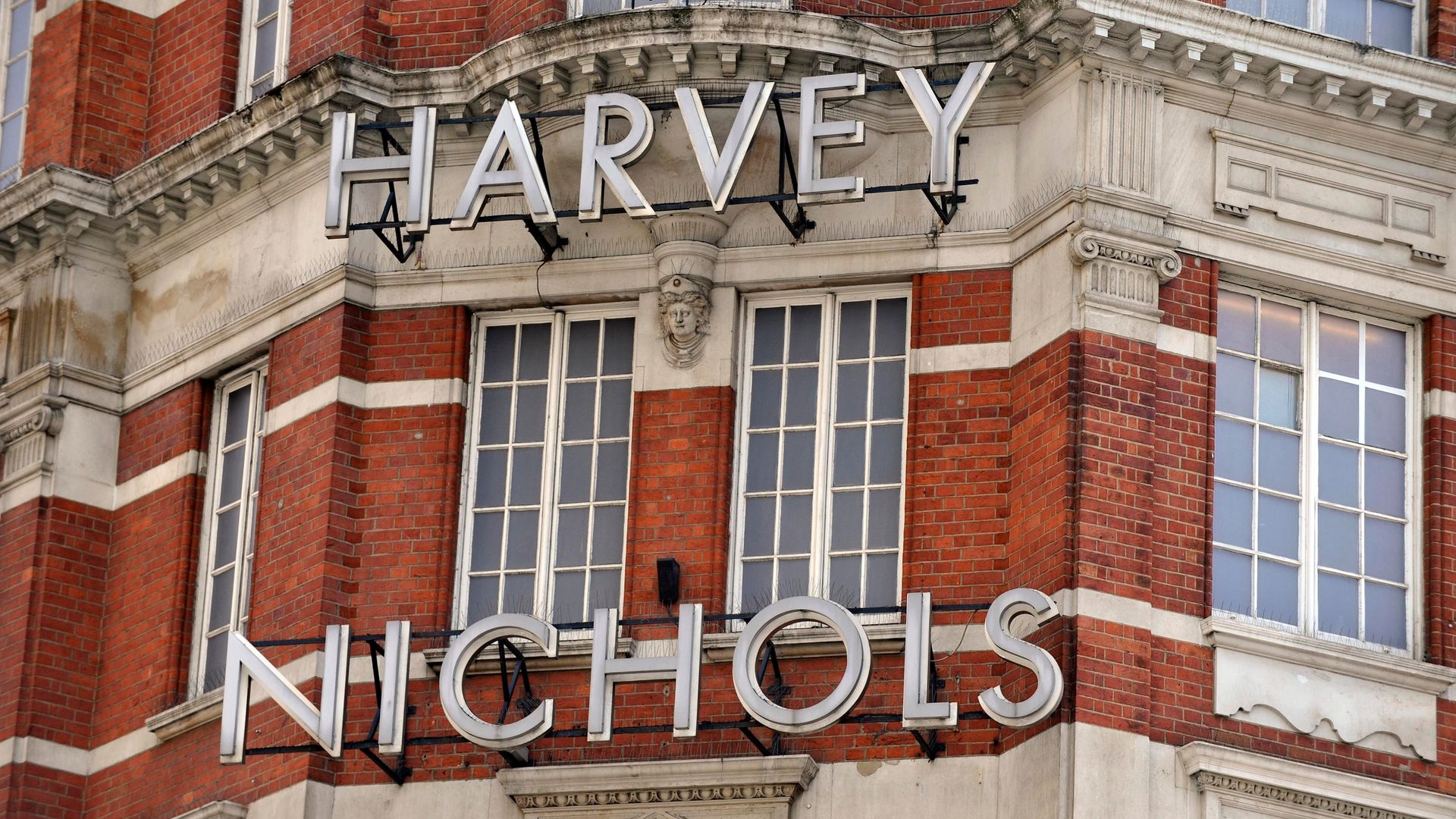
The retail commentariat is having a collective meltdown over Mike Ashley. Executives at legacy fashion houses are currently huddled in sterile boardrooms, sweating through their bespoke tailoring, terrified that Frasers Group is going to drag Harvey Nichols down into the bargain bin.
The lazy consensus claims that luxury brands will flee the Knightsbridge floors because the corporate parent behind Sports Direct and Flannels does not understand the sacred art of high-end retail curation. For an alternative view, consider: this related article.
This argument is completely backwards.
Harvey Nichols did not fail because its branding was too elevated for common folk. It collapsed into a pre-pack administration with five consecutive years of nine-figure operating losses because its old ownership model was fundamentally broken. Pretending that a distressed department store with a hemorrhaging balance sheet can afford to turn its nose up at operational discipline is corporate delusion at its finest. Further reporting on the subject has been provided by The Motley Fool.
The False Purity of Luxury Gatekeeping
Let us define what is actually happening here. Luxury brands love to posture about heritage, exclusivity, and environment. They act as if selling a handbag next to a lifestyle fashion fascia somehow soils centuries of artisan craftsmanship.
This is a defensive smokescreen. Brands are not worried about Mike Ashley ruining the aesthetic of Harvey Nichols; they are terrified that Frasers Group will strip away their archaic wholesale margins and force them into transparent, performance-based retail metrics.
I have seen companies blow millions on maintaining pristine store footprints while ignoring the absolute bleeding of their cash flow. For years, Harvey Nichols relied on its name and its famous Knightsbridge address to mask a complete lack of a unique selling proposition compared to Harrods or Selfridges. When a 195-year-old institution needs a emergency rescue deal just to make payroll, the time for delicate brand reassurance has long since passed.
Why the Panic Over Concessions is Overblown
The primary fear circulating through the industry is mass concession flight. Analysts argue that Gucci, Prada, and Dior will pull their stock rather than share a retail ecosystem with a group rooted in discount sportswear.
Imagine a scenario where a major European fashion house actually yanks its inventory out of Knightsbridge. Where do they put it? Their own direct-to-consumer flagships? Fine, but that caps their acquisition funnel. Another department store that is also seeing foot traffic flatline?
Luxury houses need physical footprints in central London that move volume. Frasers does not just bring a checkbook; it brings structural logistics and an aggressive multi-brand scaling strategy that few other British players can match. The notion that luxury labels will willingly abandon prime London retail real estate out of pure snobbery ignores how intensely competitive and expensive physical customer acquisition has become.
The Real Problem With the Deal
I will admit the downside to this contrarian view: Frasers has a messy track record with high-end digital integrations. The rapid implosion of Matchesfashion under its watch proves that turning around distressed digital luxury assets requires more than just brute-force cost-cutting. If Frasers treats Harvey Nichols like a regional sports warehouse, the restructuring will shred the remaining brand equity.
Yet, the alternative to a ruthless overhaul was total liquidation.
The luxury executives demanding reassurance from Frasers need a reality check. Your distribution models are antiquated, your department store partners are dying off one by one, and consumer spending habits have fundamentally shifted away from stagnant traditional retail.
Stop worrying about who owns the name above the door and start worrying about whether your product can actually sell without a artificial luxury safety net.
The rescue happened. The adults are in charge now.