The mainstream media has a predictable reaction every time Kyiv rotates its political deck. When the Ukrainian parliament votes to accept high-profile resignations—whether it is Deputy Prime Minister Yulia Svyrydenko, foreign ministers, or strategic industry chiefs—the foreign press immediately sounds the alarm. They paint a picture of a fragile government in freefall, plagued by internal fractures and mounting instability.
They are completely misreading the room.
This is not a political crisis. It is a corporate-style restructuring executed under fire.
In a war of attrition, holding onto ministers out of a desperate desire to project "stability" is a death sentence. The traditional democratic obsession with cabinet longevity is a luxury Kyiv cannot afford. What lazy commentators call chaos is actually a highly deliberate, performance-driven rotation system designed to prevent bureaucratic rot and maintain the flow of foreign aid.
The Stability Fallacy in Wartime Governance
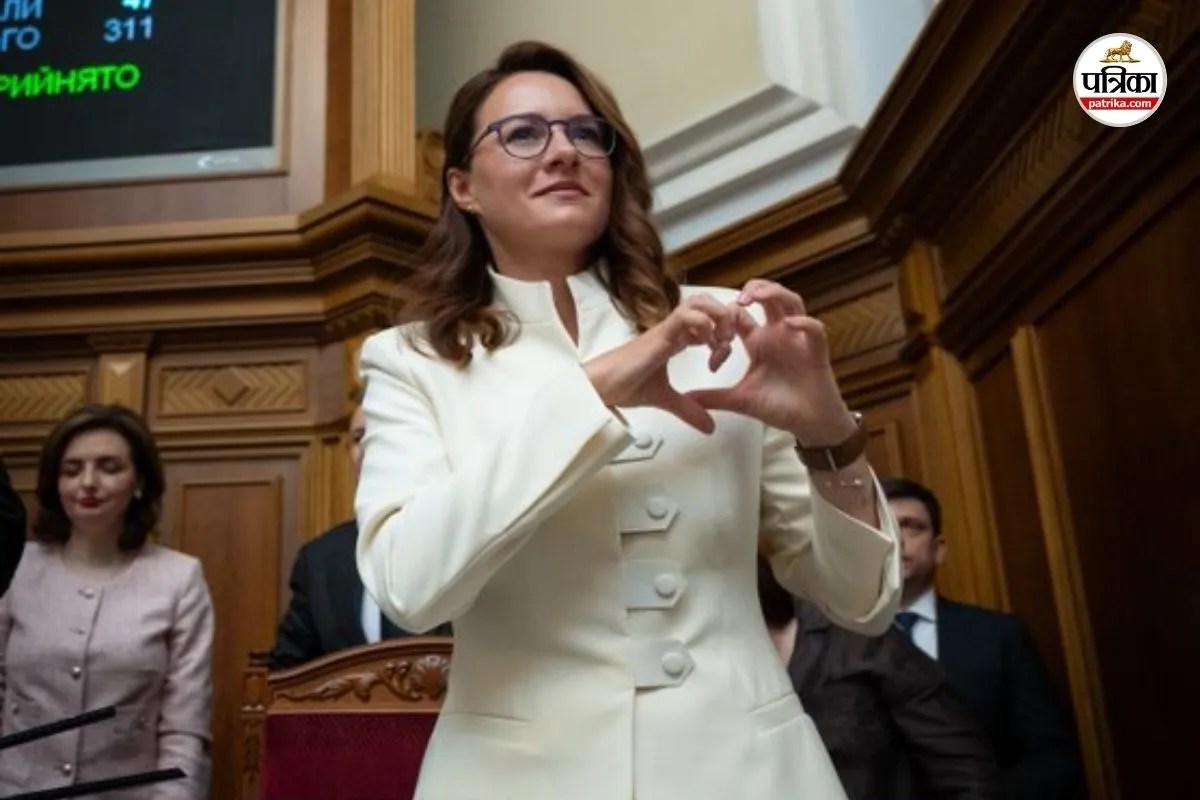
When 258 MPs vote to reshuffle top economic or administrative posts, Western analysts view it through the peacetime lens of parliamentary democracy. They assume a cabinet change means policy failure or a rebellion within the ranks.
This view is fundamentally flawed.
In peacetime, keeping a minister in office for four years allows them to build relationships, draft long-term policies, and establish routine. In wartime, routine is the enemy. Routine breeds complacency, and complacency gets people killed.
I have watched corporate boards burn through millions of dollars trying to "support" failing executives when they should have just fired them. Kyiv does not have the cash or the time to run a corporate retreat to fix underperforming ministries. If a department is not hitting its daily, weekly, and monthly targets—whether in domestic economic output, drone procurement, or energy grid repair—the leadership is cut.
Wartime ministers are not politicians. They are project managers with a shelf life.
- The Burnout Factor: Running a ministry under constant bombardment, with regular blackouts and daily sirens, is physically and mentally draining. The executive burn rate is astronomical.
- The Adaptability Requirement: A minister who was perfect for securing initial financial aid in 2022 is often entirely useless at managing complex reconstruction logistics in 2026.
- The Zero-Tolerance Policy: When survival is the metric, there is no room for "almost successful." You either deliver the shell shipments, the budget balance, and the energy reforms, or you are replaced.
Replacing a minister is not a sign that the ship is sinking. It is proof that the captain is actively steering.
The Donor Auditing Theater
Let us look at the cold, hard financial reality. Ukraine relies on external funding to keep its civil service paid and its economy functioning. Washington, Brussels, and the International Monetary Fund are not handing over billions out of pure goodwill; they are demanding absolute accountability and constant reform.
Cabinet reshuffles serve as a powerful signal to international donors.
When Kyiv replaces top economic officials, it is not an admission of corruption. It is a proactive audit. By voluntarily cleaning house and shifting personnel before donor dissatisfaction boils over, the administration shows Western oversight committees that it is serious about monitoring every dollar.
Imagine a scenario where a major corporate division is failing to meet its quarterly compliance targets. The CEO does not wait for the board of directors to launch a hostile investigation. The CEO fires the division head, installs a fresh executive, and presents the board with a new operational strategy.
That is exactly what we are seeing in Kyiv. The constant rotation of economic and trade portfolios is a calculated move to disarm foreign critics who claim that aid is disappearing into a black hole of stagnant bureaucracy. It is defensive governance at its finest.
Where the Real Power Lies
The biggest mistake foreign observers make is assuming the Ukrainian cabinet operates like a traditional Western parliament, where the Prime Minister and ministers dictate the country’s strategic direction.
It does not.
The epicenter of executive power in Ukraine is the Office of the President. The cabinet functions as the execution layer, not the decision-making body.
| Layer of Power | Core Function | Key Players |
|---|---|---|
| Strategic Decision-Making | Sets geopolitical direction, military goals, and key diplomatic boundaries. | Office of the President, National Security Council |
| Operational Execution | Manages budget allocations, domestic trade, energy logistics, and infrastructure. | Cabinet of Ministers, Deputy PMs |
| Legislative Rubber-Stamp | Ratifies executive decisions, passes emergency laws, and approves personnel changes. | Verkhovna Rada (Parliament) |
Because the strategic direction is locked in by the presidency, swapping out the executioners does not alter the country’s trajectory. It merely changes the hands on the levers.
When the parliament approves the resignation of an economic leader, the underlying economic policy does not shift. The commitment to IMF targets, European integration, and wartime tax structures remains identical. The only change is the speed at which those policies are executed.
The Downside of Constant Turnover
To be fair, this aggressive rotation strategy has distinct disadvantages. It is not a flawless system.
The most glaring issue is the loss of institutional memory. When you cycle through ministers every eighteen months, the mid-level bureaucrats beneath them spend half their time briefing new bosses instead of executing tasks. Long-term planning becomes nearly impossible when no one knows if they will still have a desk next quarter.
Furthermore, it creates a culture of risk aversion among secondary officials. If taking a bold risk and failing means an immediate, highly publicized dismissal by parliament, ministers will naturally default to safe, slow, and overly bureaucratic decisions to protect their jobs.
Yet, in the calculus of national survival, the risks of stagnation are deemed far greater than the risks of high turnover.
Stop Looking for Political Drama
The next time you read a sensational headline about parliamentary votes and cabinet resignations in Kyiv, ignore the dramatic framing.
Do not look for signs of a coup, a split in the leadership, or a sudden policy shift. Look at the numbers. Look at the economic performance metrics, the pace of foreign aid delivery, and the speed of defense production.
Kyiv has realized a truth that peacetime democracies are too timid to admit: during a crisis, personnel are disposable, and performance is the only metric that matters. The political revolving door is not a bug. It is the system working exactly as intended.