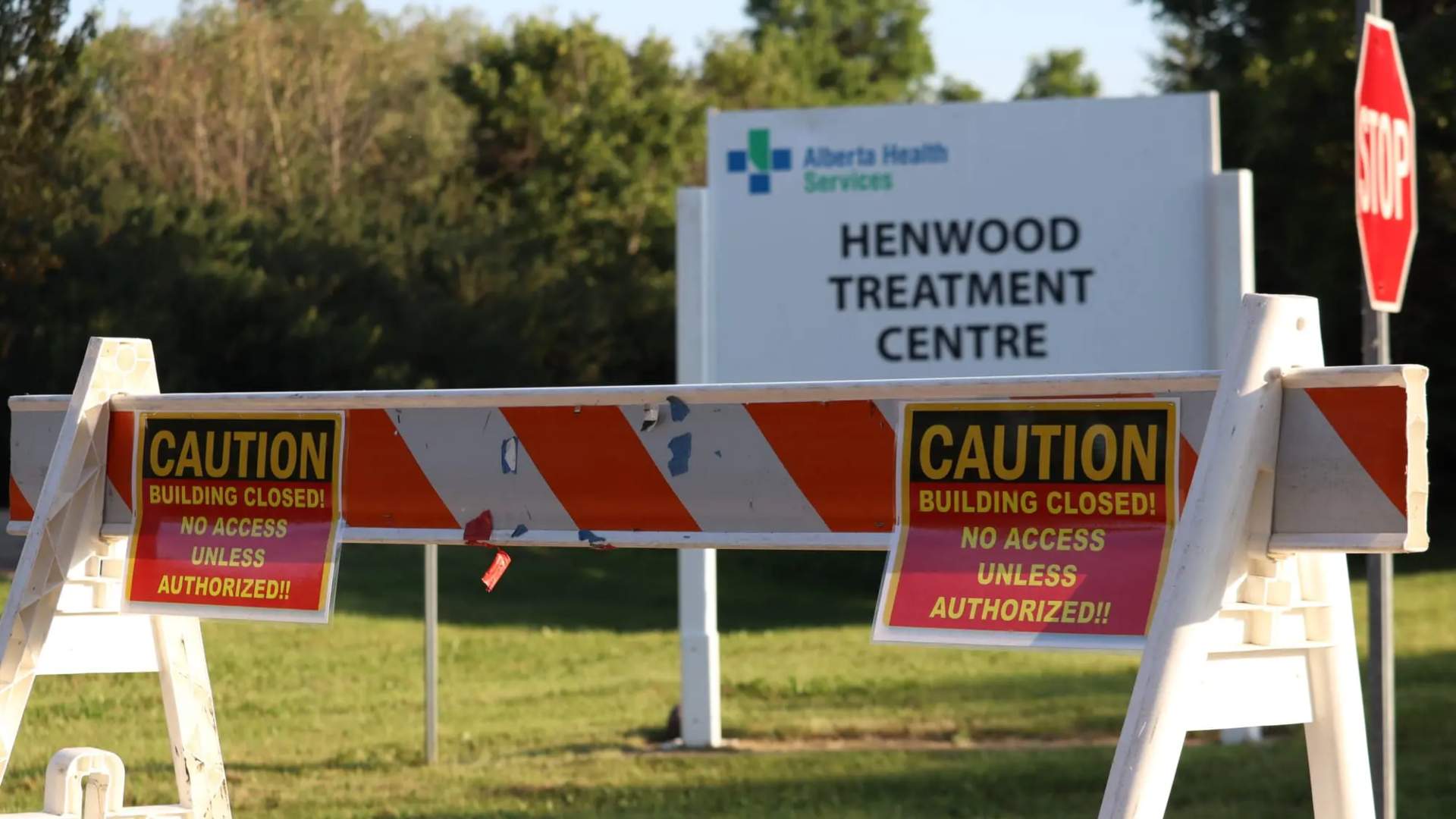
The media is having a collective meltdown over Recovery Alberta pulling the plug on the Henwood Treatment Centre. Headlines scream about six hundred desperate souls dumped back to square one, unions are crying foul over displaced staff, and pearl-clutchers are treating the closure of this Edmonton facility as a moral failure of state-sponsored care.
Here is the dirty secret nobody in the public health establishment wants to admit: that wait list was a graveyard of false hope anyway.
For years, standard addiction bureaucracies have functioned on a model of passive warehousing. You stick people on a spreadsheet, tell them a four-week residential stint is going to fix decades of neurological rewiring, and pretend that keeping them in a queue constitutes healthcare. When a facility like Henwood takes on water—literally, through overland flooding—and the state shutters it, the system panics because its bureaucratic illusion of motion has been exposed.
Stop mourning the loss of a broken bottleneck. The conventional obsession with traditional bricks-and-mortar residential beds is a relic of twentieth-century thinking that actively fails modern substance use realities.
The Myth of the Waiting Queue
Let us look at how the machinery actually operates. When a system relies on massive centralized treatment hubs, it creates an administrative funnel. People in active crisis call in, get assigned an arbitrary number on an opaque roster, and wait months. During those months, physiology shifts, overdoses happen, and the motivation to change evaporates under the weight of institutional indifference.
When reporters lament that six hundred people were wiped off the Henwood queue, they treat that list as a active lifeline. It was never a lifeline. It was a parking lot.
Data from decentralized addiction medicine models repeatedly shows that the longer the gap between a patient asking for help and actual clinical intervention, the higher the attrition rate. A four-week program sitting at the end of a four-month wait is a structural failure disguised as therapy. If your intake process requires a person to hold their life together while waiting for permission to heal, your system is built for people who do not need it.
Why Legacy Rehab Models Fail Complex Patients
The defenders of the old status quo argue that losing Henwood’s sixty-two voluntary beds leaves a gaping hole in Edmonton's health corridor. But let us examine what those beds were actually achieving.
Traditional residential facilities come with rigid structural exclusions. If a patient presents with severe co-occurring psychiatric diagnoses or requires complex pharmacological management, legacy centers frequently bounce them out. They demand absolute abstinence right at the door, ignoring the physiological reality of modern synthetic opioids and potent sedatives where abrupt cessation without specialized stabilization can trigger medical catastrophe.
Imagine a scenario where a diabetic patient is told they must sit in a waiting room for ninety days, after which they will be sent to a rural cabin for four weeks with zero medical oversight for their pancreas. We would call that medical malpractice. Yet when it comes to addiction, we slap the label of "compassionate care" on the exact same institutional abandonment and act surprised when relapse rates skyrocket.
The province’s pivot toward decentralized support, virtual addiction medicine, and rapid-access low-barrier care channels cuts through the red tape of centralized admissions. Programs like Alberta’s Virtual Opioid Dependency Program prove that immediate, same-day pharmaceutical and clinical engagement keeps people alive far more effectively than waiting for a bed to magically open in northeast Edmonton.
The Uncomfortable Truth About Systemic Realignment
Admitting that a major facility closure is actually an opportunity requires a level of institutional honesty that health bureaucrats despise. Yes, the transition is chaotic. Yes, unionized staffing shifts create logistical headaches. Change always steps on toes.
However, clinging to a legacy facility because its walls are familiar is emotional governance, not operational strategy. The future of substance use intervention does not look like giant, isolated institutional compounds where patients are hidden away from society for a month and then dumped back into the exact same environmental triggers that broke them.
The real fix requires dismantling the remaining archaic intake silos and pushing resources directly into rapid-response clinical networks, community-embedded stabilization, and immediate pharmacological access.
Tear up the waiting lists. Stop romanticizing institutional warehousing. Build a system that meets the patient on the street today instead of making them wait for a room tomorrow.