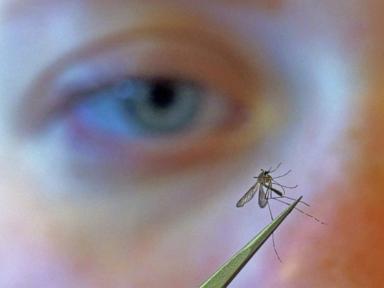
The annual summer ritual of public health alarmism is officially underway. Every year, right on schedule, headlines scream about an "early start" to the West Nile virus season. The Centers for Disease Control and Prevention (CDC) issues its standard warnings, urging everyone to douse themselves in DEET, wear long sleeves in July, and dump out every teaspoon of standing water in their yards.
It is a masterclass in risk mismanagement.
By hyper-focusing on a low-probability threat, public health narratives completely distort the public's understanding of personal safety. We are told to fear the mosquito as if it is an apex predator stalking our suburbs, while ignoring the massive, systemic lifestyle factors that actually dictate our immune resilience.
Let us look at the actual math. The vast majority of people who contract West Nile virus—roughly 80% according to the CDC’s own historical data—experience absolutely zero symptoms. They will never even know they had it. Of the remaining 20%, most develop a mild flu-like illness that resolves on its own. The severe, neuroinvasive form of the disease occurs in less than 1% of total cases.
Statistically, an average healthy adult is vastly more likely to be injured in a car accident on the way to buy bug spray than they are to suffer severe complications from a West Nile virus bite. Yet, the seasonal anxiety engine drives people indoors, replacing fresh air and physical activity with sedentary screen time and chemical reliance.
We are asking the wrong questions about seasonal wellness. The goal should not be to build a sterile, bubble-wrapped existence where we avoid every insect bite at all costs. The goal should be understanding host resistance and optimizing the human immune system to handle environmental challenges effortlessly.
The Flawed Premise of Absolute Eradication
The standard public health playbook treats human beings as passive victims of an aggressive environment. This mindset suggests that the only way to stay healthy is to wage a scorched-earth campaign against nature. Dump the water. Spray the chemicals. Stay inside.
This approach fails to understand the mechanics of ecology and immunology.
Mosquitoes are an permanent fixture of the ecosystem. Total avoidance is an illusion. More importantly, focusing entirely on the vector—the mosquito—completely ignores the terrain—the human host.
French scientist Antoine Béchamp famously argued a concept that remains relevant today: the microbe is nothing; the terrain is everything. While mainstream epidemiology obsesses over tracking infected bird populations and trapping bugs, it rarely talks about why that 1% of infected individuals develops severe neurological illness while the other 99% walk away unscathed.
The differentiator is almost always underlying metabolic health, age-related immunosenescence, or pre-existing chronic inflammation. A robust immune system handles viral challenges effectively. A compromised, inflamed system struggles. Instead of instructing the public on how to lower systemic inflammation, reduce sugar intake, and improve metabolic health to ensure they fall into that resilient 99%, the advice stops at "wear long sleeves."
The True Cost of Chemical Dependence
The default recommendation for avoiding mosquito bites is the heavy application of synthetic repellents. While registered repellents like DEET and Picaridin are effective at deterring insects and have been tested for safety under normal usage parameters, the unquestioning, daily application of these compounds is not without a trade-off.
People treat these chemicals as if they are entirely inert. They are not. They are synthetic compounds absorbed through the skin, the body's largest organ. For individuals with chemical sensitivities or compromised detoxification pathways, the burden of processing these inputs daily throughout the summer can add to a body's overall toxic load.
Furthermore, the panic-driven avoidance of the outdoors has a massive, measurable downside. When people stay inside to avoid bugs, they miss out on critical exposure to sunlight. Sunlight is the primary driver of Vitamin D synthesis, a hormone absolutely critical for regulating the immune system and fighting off viral infections—including West Nile.
By hiding indoors, covered in chemicals, people actively degrade the very immune defenses they need to stay healthy. It is a counterproductive cycle driven by fear rather than logic.
Dismantling the Public Health Panic Queries
If you look at what people actually ask during these seasonal media blitzes, you can see how flawed the mainstream narrative is.
Is West Nile virus fatal?
Technically, yes, in a very small fraction of neuroinvasive cases, primarily among the elderly or severely immunocompromised. But framing the virus by its absolute worst-case scenario is dishonest journalism. For the overwhelming majority of the population, it is a non-event. Driving a car, eating a diet high in ultra-processed foods, and chronic sleep deprivation are statistically far more dangerous to your longevity than a seasonal mosquito bite.
How can I completely protect my yard from mosquitoes?
You cannot. You can dump out every birdbath and empty every flowerpot, but a single heavy rain creates hundreds of micro-habitats in tree hollows, overgrown brush, and storm drains that you have zero control over. Obsessive yard clearing provides a false sense of control while doing very little to alter the regional mosquito population.
A Superior Blueprint for Seasonal Resilience
If you want to actually protect your health during the summer months, you need to pivot away from fear-based avoidance and move toward active fortification.
Stop treating nature as an enemy to be avoided. Instead, optimize your body's natural defenses so that environmental challenges become minor inconveniences rather than health crises.
- Prioritize Metabolic Resilience: Metabolic dysfunction compromises the immune response. High-sugar diets and chronic glucose spikes impair the ability of white blood cells to respond to pathogens. Clean up your nutrition to give your immune system a fighting chance against any seasonal virus.
- Optimize Vitamin D Levels: Instead of hiding from the sun, get sensible, non-burning sun exposure to keep your Vitamin D levels in the optimal range (generally 50-80 ng/mL). Vitamin D modulates the immune response and reduces the risk of severe viral complications.
- Use Target-Specific Barriers: If you are going into heavily wooded areas or swamps where mosquito density is genuinely high, rely on physical barriers like lightweight, tightly woven clothing rather than marinating your skin in synthetic chemicals for a backyard barbecue.
- Improve Lymphatic Drainage: Your lymphatic system is the highway of your immune system. Regular movement, hydration, and exercise ensure that your body can quickly recognize and clear foreign pathogens before they replicate out of control.
The current public health strategy wants you afraid, anxious, and locked inside, relying on chemical quick fixes. True health security does not come from a bottle of bug spray or an alarmist press release. It comes from building a body that is resilient enough to handle the world it lives in. Turn off the news, go outside, and fix your health from the inside out.