The Renovation Racket
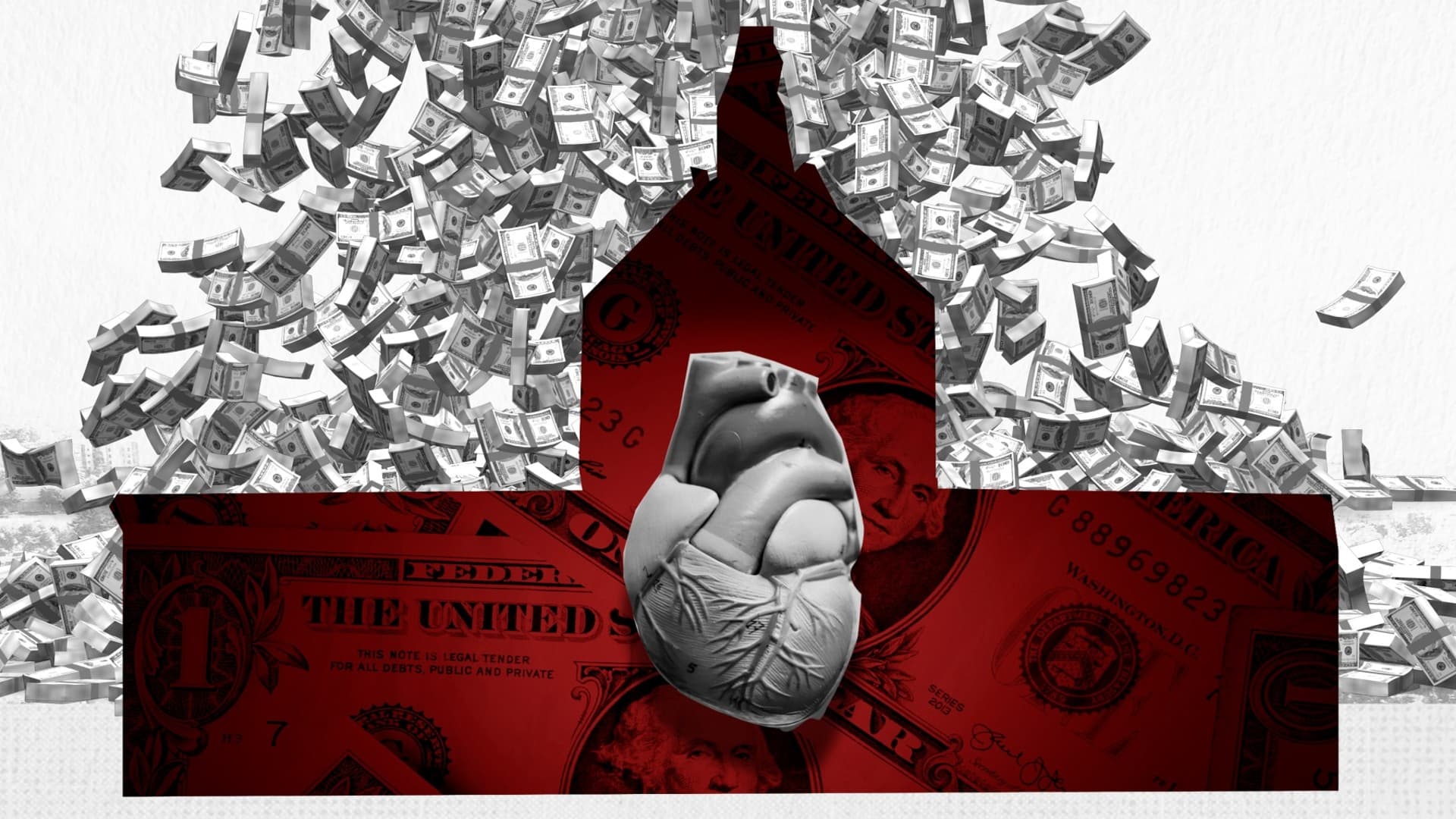
Washington loves a facelift. When a government-adjacent institution starts failing to capture the public imagination, the immediate reflex is to call the architects. The Trump-Kennedy Center leadership is currently peddling a tired narrative: the building is tired, the infrastructure is failing, and a massive capital infusion for "renovation" is the only way to save the soul of American performing arts.
They are wrong.
Infrastructure isn't the problem. The problem is a structural inability to compete in a world where culture moves at the speed of a TikTok algorithm while the Kennedy Center moves at the speed of a congressional subcommittee. Throwing hundreds of millions at marble and mortar is a classic "sunk cost" fallacy. You don't fix a stagnant brand by polishing the floors. You fix it by blowing up the programming model.
The Myth of Physical Presence
The central argument for this renovation is that the physical space dictates the quality of the art. This is a 1960s solution to a 2026 problem. We are told that the acoustics need tweaking or the sightlines are dated. Meanwhile, the most influential cultural moments of the last decade happened in warehouses, on smartphones, and in pop-up spaces that wouldn't pass a Kennedy Center fire inspection.
I have watched dozens of legacy institutions dump their endowments into "transformation" projects that resulted in nothing more than a prettier, equally empty lobby. A building is a liability, not an asset, if it serves as a barrier to entry. The leadership wants to show the building needs work to justify their existence. In reality, the building is a tomb for an outdated way of consuming culture.
The Math of Failure
Let’s look at the cold reality of cultural real estate:
- Maintenance Creep: Every square foot added or "improved" increases the annual operating budget.
- The Dead Zone: Large-scale renovations often shutter venues for months or years, killing momentum and alienating the few season-ticket holders left.
- The Opportunity Cost: Every dollar spent on HVAC is a dollar not spent on scouting talent, commissioning radical new works, or subsidizing tickets for anyone under the age of fifty.
If you spend $200 million on a renovation, you need a massive return on that investment. But performing arts centers aren't tech startups. They don't scale. A seat can only be sold once per night. The math only works if you hike ticket prices, which further ensures the Kennedy Center remains an echo chamber for the elite and the lobbyists who fund them.
Stop Asking for More Marble
The "lazy consensus" among the D.C. elite is that the Kennedy Center is a "national treasure" that deserves perpetual, unquestioned funding. If you challenge the renovation, you’re accused of hating the arts.
I don't hate the arts. I hate the inefficient delivery of the arts.
True innovation doesn't happen because someone added a glass atrium. It happens because of a shift in "software"—the people, the ideas, and the risk tolerance. The current leadership is focused on the "hardware." They want a shiny new toy to show off at galas.
What People Actually Ask (And Why They're Wrong)
"Doesn't a world-class city need a world-class venue?"
The venue doesn't make the city world-class; the talent does. Berlin and London have thriving scenes in gritty, repurposed industrial spaces. The obsession with "world-class" architecture is often a mask for a lack of "world-class" vision.
"Can't we just do both—renovate and innovate?"
No. Focus is finite. The bandwidth of an executive team is consumed by construction permits, zoning laws, and fundraising for "The [Insert Billionaire Name] Wing." When you are worried about the plumbing, you aren't worried about why your audience demographic is aging into irrelevance.
The Counter-Intuitive Pivot
Instead of a renovation, the Kennedy Center should adopt a "De-growth" strategy for its physical footprint.
Imagine a scenario where the leadership took half the proposed renovation budget and liquidated it into a venture fund for independent creators. Instead of forcing people to trek to a brutalist monument on the Potomac, the Kennedy Center should be colonizing the city.
- Decentralize: Take the shows to the people.
- Kill the Dress Code: Not just the physical one, but the mental one.
- Audit the Board: If your board members haven't been to a concert in a venue with less than 500 seats in the last year, they shouldn't be making decisions about the future of culture.
The Trump-Kennedy leadership is playing a safe game. They are following the standard playbook of institutional survival: identify a physical problem, request public/private funds, build something, and hold a ribbon-cutting ceremony. It creates the illusion of progress while the core product remains stagnant.
The Burden of History
The Kennedy Center is a living memorial. That is its biggest hurdle. It is weighed down by the expectation of being "stately." But art is rarely stately when it’s actually good. It’s messy, provocative, and often offensive to the very people who sit on the boards of national centers.
By focusing on a renovation, the leadership is doubling down on the "memorial" aspect and abandoning the "living" aspect. They are choosing to be a museum of how things used to be performed.
The risk of my approach is obvious: it might fail. The "safe" renovation might keep the lights on for another twenty years of mediocrity. But I have seen enough "state-of-the-art" facilities turn into ghost towns to know that physical beauty cannot substitute for cultural relevance.
The Actionable Order
Stop the capital campaign.
Freeze the architectural plans.
Take the money intended for the new marble floors and use it to eliminate ticket fees for anyone under 30 for the next five years. Fire the consultants who told you that a "multi-use flexible space" would solve your attendance problem. It won't. Only better, weirder, more dangerous art will do that.
The building doesn't need a renovation. The mission needs an exorcism.
If the Kennedy Center wants to prove it matters, it should be able to do so in a parking lot with a string of work lights. If it can't, no amount of gold-leafed molding is going to save it.
Put down the blueprints and pick up a mirror.