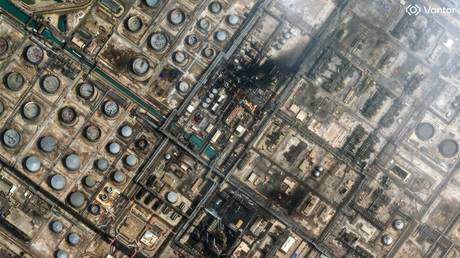
Don't let the headlines fool you into thinking this is just another routine day in the Middle East. When US Central Command announced it knocked down two Iranian one-way attack drones over the Strait of Hormuz, it wasn't just a tactical win. It was a glaring sign that the shadow war in the world's most critical energy chokepoint is rapidly morphing into something far more volatile, even as diplomats claim they're making progress behind closed doors.
People are looking at these military updates and wondering if we are on the brink of an all-out shipping shutdown. The short answer is yes, the threat is real, but the mechanics of how this conflict is playing out are highly misunderstood. This isn't just about blowing up low-cost drones. It's about a highly coordinated, tit-for-tat chess match over global energy supplies that affects everything from oil prices to international security alliances.
The Reality of the Hormuz Chokepoint
Look at a map of global trade, and your eyes will immediately hit the Strait of Hormuz. It's a narrow stretch of water where a huge chunk of the world's petroleum passes daily. When Iran deploys one-way attack drones into this airspace, they aren't expecting them to take out an entire American aircraft carrier. They're sending a message to commercial shipping companies: We can touch you whenever we want.
The weekend interception by CENTCOM forces wasn't an isolated incident. Just a day prior, US forces had to swat down four other attack drones in the exact same area. Following that specific engagement, American jets didn't just play defense; they went on the offensive, striking Iranian coastal surveillance radar sites in Goruk and on Qeshm Island.
This sequence reveals a lot about the current rules of engagement. The US military isn't just sitting back and absorbing these provocations. They are actively targeting the eyes and ears of Iran's coastal military apparatus to degrade Tehran's ability to track international vessels.
The Diplomacy Illusion vs. Kinetic Reality
What makes this latest spike in violence so frustrating is the wild disconnect between the battlefield and the negotiating table. For weeks, Washington and Tehran have been engaged in indirect talks aimed at cooling down the regional temperature and fully reopening the strait to unhindered maritime traffic.
Yet, while diplomats sip coffee and talk parameters, the Islamic Revolutionary Guard Corps is busy trying to enforce its own rules on the water. While CENTCOM was tracking drones, the IRGC actively stopped a commercial tanker trying to exit the strait, issuing warnings to several other vessels in the vicinity.
You can't overlook the psychological warfare happening here, either. Iranian state media quickly claimed they managed to inflict serious damage on the US Fifth Fleet site in Bahrain. CENTCOM flatly denied it. This discrepancy highlights a fundamental truth of modern warfare: the information war is just as vital as the kinetic one. Iran needs to project strength to its domestic audience and regional proxies, even when its hardware gets blown out of the sky before hitting anything.
Why Cheap Drones Are a Massive Tactical Problem
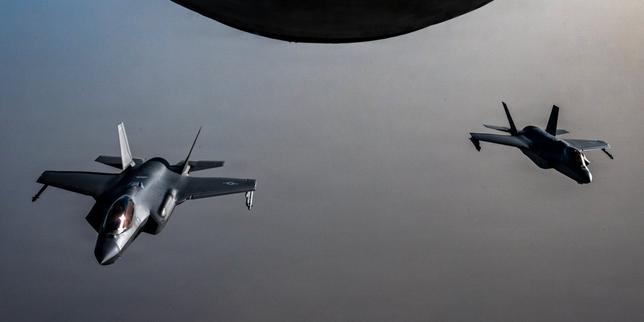
Many defense analysts focus too much on the sophistication of stealth fighters like the US F-35A jets currently patrolling the region. While those platforms are impressive, they represent an incredibly expensive way to counter cheap technology.
Iran's strategy relies on asymmetry. A one-way attack drone costs a fraction of the price of an advanced air-defense missile used to destroy it. By launching these waves continually, Tehran forces the US and its allies into an expensive game of attrition.
The strategy extends beyond the water. Over the same weekend, a salvo of Iranian missiles targeted positions inside Kuwait and Bahrain—both critical hosts for Western military infrastructure. In response, countries like Kuwait are urgently scrambling to procure advanced kinetic and electronic warfare capabilities specifically designed to detect and defeat low-altitude drone threats.
Moving Beyond the Reactive Loop
If you're tracking how this crisis impacts global stability, you need to watch the financial and logistical shifts happening behind the scenes. The US Treasury Department is already pivoting its strategy to support regional allies more directly. Treasury Secretary Scott Bessent recently directed teams to assess the exact costs incurred by Persian Gulf allies due to Iranian hostile actions. The goal? Making frozen Iranian assets available to countries like Bahrain and UAE to fund physical rebuilding and defense repairs.
To stay ahead of this evolving security situation, watch these key indicators:
- Monitor commercial shipping insurance premiums in the Persian Gulf, as skyrocketing rates often precede major supply chain disruptions.
- Track the deployment patterns of US land-based electronic warfare units to the Gulf, which offer a more sustainable counter-drone solution than relying solely on ship-fired missiles.
- Follow the progress of Gulf Cooperation Council joint air-defense integration, which is fast becoming the region's best bet for long-term deterrence.