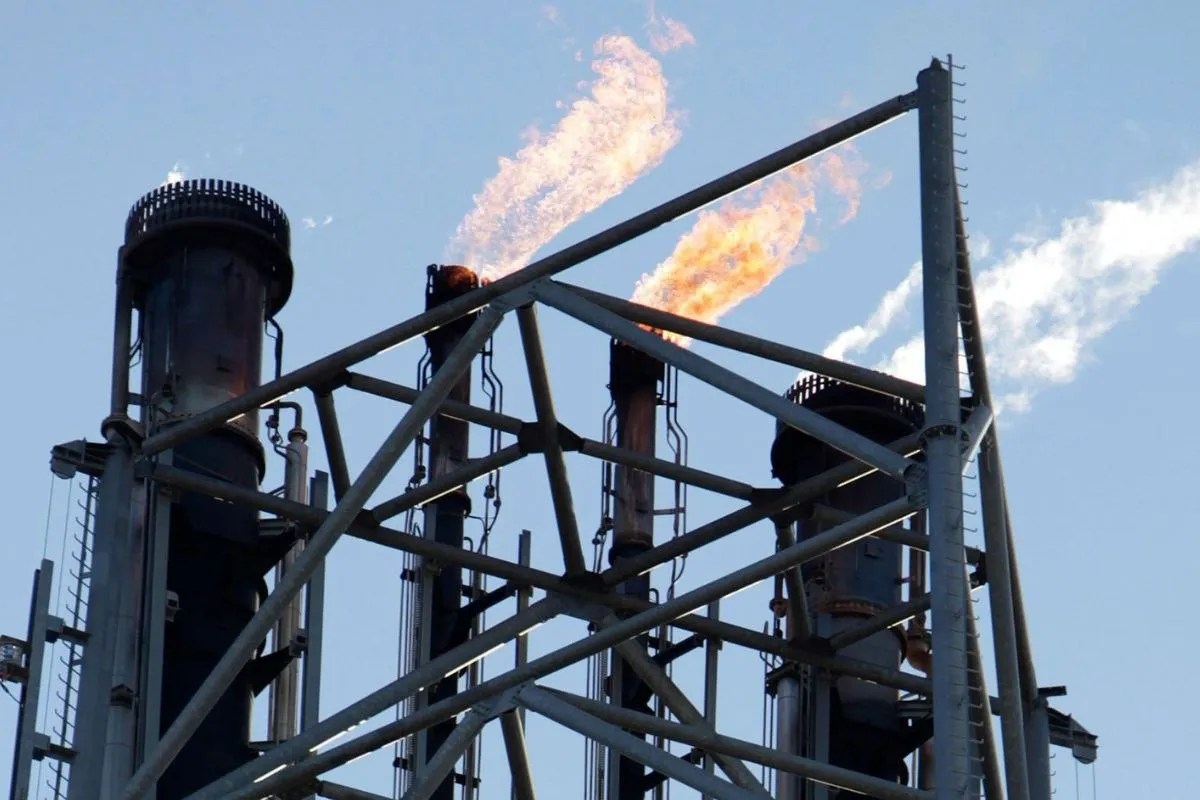
Energy asset security relies on distributed redundancy, yet concentrated extraction and processing nodes remain exposed to asymmetric aerial vectors. Recent explosions and subsequent fires at critical installations operated by Saudi Arabian Oil Company in Jubail and Jizan expose structural vulnerabilities in high-value industrial nodes. Observers often reduce these incidents to transient geopolitical flashpoints, ignoring the underlying mechanical, economic, and defensive architecture governing modern energy infrastructure.
The Mechanics of Asymmetric Targeting
Targeting industrial energy nodes with uncrewed aerial systems or guided munitions alters the cost-to-damage ratio in modern security environments. Conventional defense batteries involve high marginal expenditures per interception, whereas low-cost delivery vectors impose negligible capital outlays on opposing actors. For a deeper dive into similar topics, we suggest: this related article.
- The Interception Cost Asymmetry: Interceptor missiles deployed by sophisticated air defense arrays frequently cost millions of units per engagement, while basic aerial drones or improvised munitions scale down production costs exponentially.
- Surface Area Vulnerability: Facilities such as the Berri gas plant in Jubail or regional refining units in Jizan concentrate massive economic output within localized footprints. Spatial concentration minimizes logistical overhead for operations but maximizes the structural yield of a successful kinetic impact.
- Sensor-to-Shooter Feedback Loops: Commercial remote sensing data and public satellite tracking reduce the friction of target acquisition, allowing non-state actors to bypass traditional military reconnaissance dependencies.
Economic Fallout and Throughput Bottlenecks
An evaluation of industrial disruption requires moving beyond raw casualty counts to analyze throughput capacity and recovery velocity. When processing facilities experience thermal events, the operational impact is a function of replacement lead times for specialized components rather than immediate crude supply shortages.
- Upstream Processing Constraints: Gas stabilization units and fractionation columns demand precise metallurgical specifications. Damage to these specialized nodes halts continuous flow operations, forcing flaring or complete wellhead throttling upstream.
- Refining Margin Volatility: Facilities like the Jizan installation process hundreds of thousands of barrels of feedstock daily. Temporary shutdowns shift product cracks for diesel and gasoline across regional markets, immediately repricing insurance premiums for maritime transit in adjacent chokepoints like the Bab el-Mandeb Strait.
- Capital Expenditure Reallocation: State-owned energy enterprises are forced to divert capital expenditures from capacity expansion projects toward passive hardening, active point-defense integration, and rapid-response fire suppression architecture.
Diplomatic Signaling and Deterrence Failure
Kinetic strikes on critical infrastructure function primarily as signaling mechanisms rather than isolated tactical operations. When militant factions claim responsibility for precision impacts on sovereign energy assets, the objective is to test the credibility of multilateral security pacts and regional defense umbrellas. For additional context on the matter, in-depth reporting is available at The Washington Post.
The timing of these incidents directly intersects with broader regional realignment strategies, including newly formalized trilateral defense frameworks among West Asian and South Asian states. These diplomatic arrangements aim to establish collective deterrence against external aggression. However, decentralized actors weaponize low-signature strikes precisely to exploit the friction points between collective defense thresholds and individual nation-state sovereignty. If an attack does not trigger a standardized threshold of conventional warfare, multilateral partners face operational ambiguity regarding automated military responses.
Supply Chain Resilience and Redundancy Limits
Energy conglomerates maintain operational continuity through inventory buffers and spare-part stockpiles. Yet, hyper-specialized infrastructure components resist standard supply chain substitution models.
- Single-Source Hardware Dependencies: Critical valves, turbines, and control systems often originate from sole-source international manufacturers. Procurement cycles for custom industrial hardware routinely span twelve to eighteen months.
- Redundancy Paradox: True redundancy requires maintaining parallel processing trains operating below maximum capacity. Commercial imperatives favor running assets near peak utilization rates to optimize unit economics, eliminating the structural slack required to absorb sudden facility outages without export delays.
Transition defensive postures from perimeter-centric monitoring to layered internal compartmentalization, deploying point-defense kinetic and electronic countermeasures directly above high-consequence fractionation columns and sulfur recovery units.



/getty-brown-bear-56afcf215f9b58b7d01d5195.jpg)