Evaluating national security policy through political rhetoric obscures the underlying economic and operational calculus. When state leadership allocates capital toward military readiness, the transaction functions as an insurance premium against systemic disruption. Taiwan crossing the threshold of 1.1225 trillion New Taiwan Dollars, or approximately 35.2 billion US dollars, for its 2027 defense budget represents a structural break from historical spending ceilings. Surpassing three percent of gross domestic product, this fiscal expansion requires rigorous examination beyond the superficial narrative of arms accumulation. Security economics dictates that defense outlays are neither arbitrary numbers nor isolated political gestures; they represent optimized resource allocation models designed to alter an adversary's cost-benefit equilibrium.
The Asymmetric Deterrence Framework
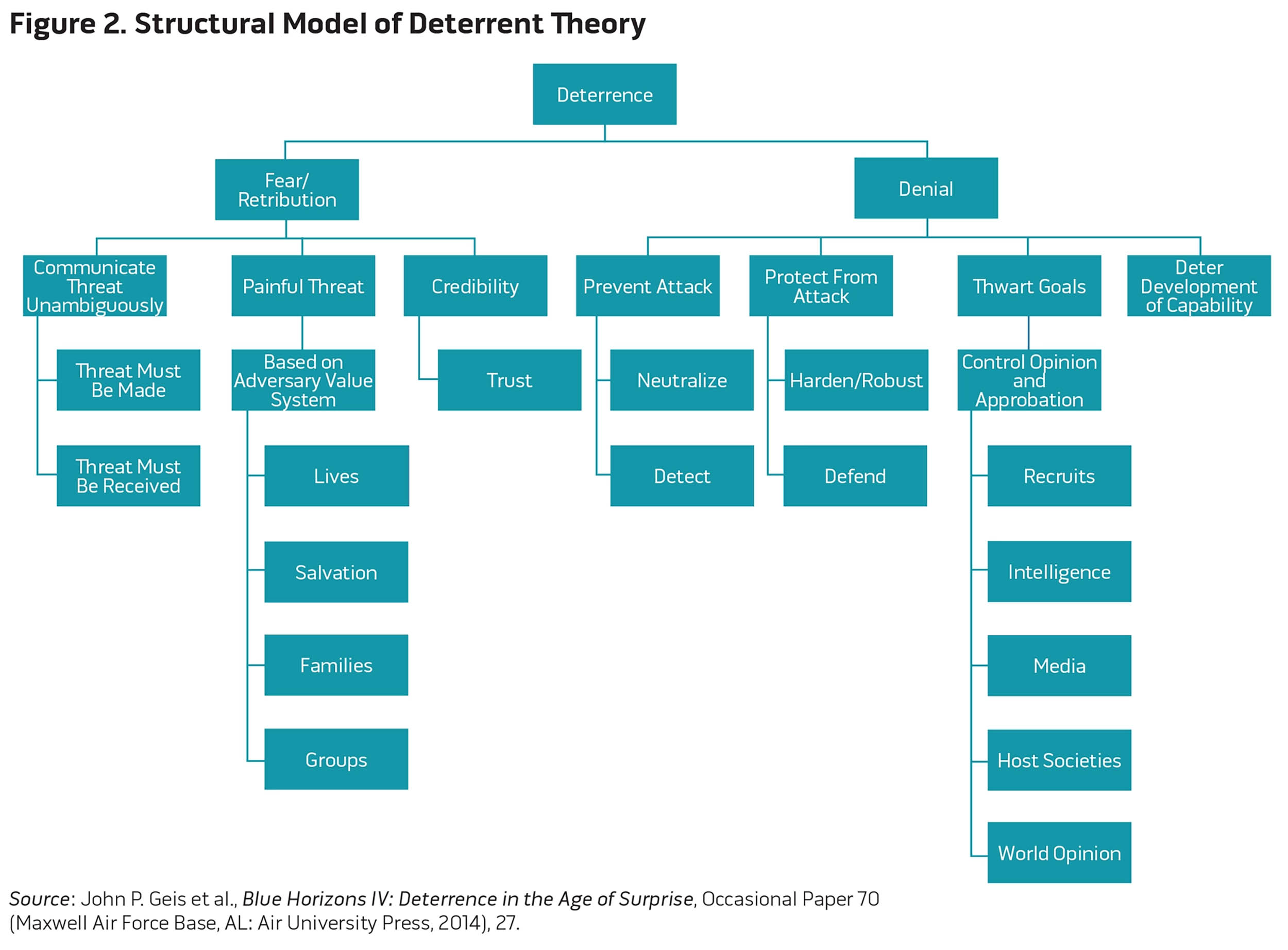
Traditional military parity remains mathematically impossible across the Taiwan Strait given the aggregate resource disparity between Taipei and Beijing. Consequently, defense modernization strategies rely on asymmetric capability distribution rather than symmetrical force-on-force matching.
Capital allocation within a constrained fiscal envelope prioritizes systems that maximize the cost of power projection for an invading force. This involves three distinct structural layers:
- Distributed Lethality: Acquisition of mobile, survivable platforms such as high-mobility artillery rocket systems, coastal defense cruise missiles, and decentralized anti-armor munitions that resist pre-emptive neutralization.
- Aviation and Maritime Denial: Integration of uncrewed aerial systems, autonomous marine vessels, and locally constructed submarine fleets designed to complicate amphibious staging operations.
- Infrastructure Hardening: Reinforcing command nodes, communications networks, and logistical supply chains to maintain operational continuity under electronic and kinetic saturation.
Shifting capital toward these specific vectors alters the adversary's operational risk matrix. An invasion ceases to be a calculated calculus of rapid dominance and transforms into an intractable logistical hazard.
Fiscal Expansion and the GDP Threshold
Moving defense expenditures above the three percent GDP floor signals alignment with heightened threat perceptions, yet raw financial input does not automatically equate to strategic output. The mechanics of defense budgeting encounter distinct structural friction points:
- Procurement Lead Times: Capital authorization does immediately translate to deployed hardware. International supply chain bottlenecks and foreign military sales backlogs create multi-year delays between budget approval and asset delivery.
- Domestic Industrial Capacity: Scaling indigenous defense manufacturing requires specialized microelectronics, advanced materials, and skilled labor pools that compete directly with the commercial semiconductor sector.
- Legislative Friction: Parliamentary dynamics introduce budgetary volatility. Opposition-controlled legislatures frequently exercise rigorous oversight, demanding justification for special appropriations and challenging executive funding mechanisms.
These variables mean that nominal budget increases must be evaluated through the lens of execution velocity. Financial commitment indicates intent, but operational readiness depends entirely on procurement efficiency and systemic integration.
Macroeconomic Trade-Offs and Opportunity Costs
Allocating capital to military procurement inherently draws resources away from alternative public investments. For an export-driven, technology-centric economy like Taiwan, fiscal diversion demands careful calibration to avoid retarding long-term growth vectors.
The opportunity cost manifests in two primary forms:
- Public Capital Displacement: Funds directed toward hardware acquisition and reserve force overhauls are unavailable for energy transition infrastructure, demographic support systems, or commercial research and development incentives.
- Talent Allocation: Expanding active-duty personnel requirements and reserve training cycles draws human capital away from private enterprise, particularly advanced engineering and semiconductor fabrication sectors facing structural labor shortages.
Mitigating these trade-offs requires dual-use technological development, where military investments stimulate domestic aerospace, cybersecurity, and advanced manufacturing capabilities that eventually generate commercial spillover effects.
The Geopolitical Signaling Mechanism
National defense budgets serve dual purposes: operational preparation and diplomatic signaling. Within the triangular dynamic involving Taipei, Beijing, and Washington, fiscal expansion operates as a diplomatic communication channel.
External allies, particularly the United States, utilize domestic spending ratios as a primary metric of host-nation commitment. When a regional democracy elevates its financial burden-sharing past established benchmarks, it alters the political narrative in foreign capitals regarding mutual defense obligations. Simultaneously, visible modernization initiatives communicate resolve to domestic populations and regional partners, reinforcing deterrence credibility without requiring escalatory rhetoric.
Strategic Execution
Sustaining long-term deterrence requires institutionalizing defense spending as a permanent structural baseline rather than a reactive, cyclical response to immediate military pressure. Future budget iterations must prioritize workforce retention, logistical resilience, and domestic maintenance depth over high-profile platform acquisitions alone. The ultimate measure of fiscal policy success lies not in the headline-grabbing magnitude of the total allocation, but in the systemic friction it generates against any potential disruption of regional stability.