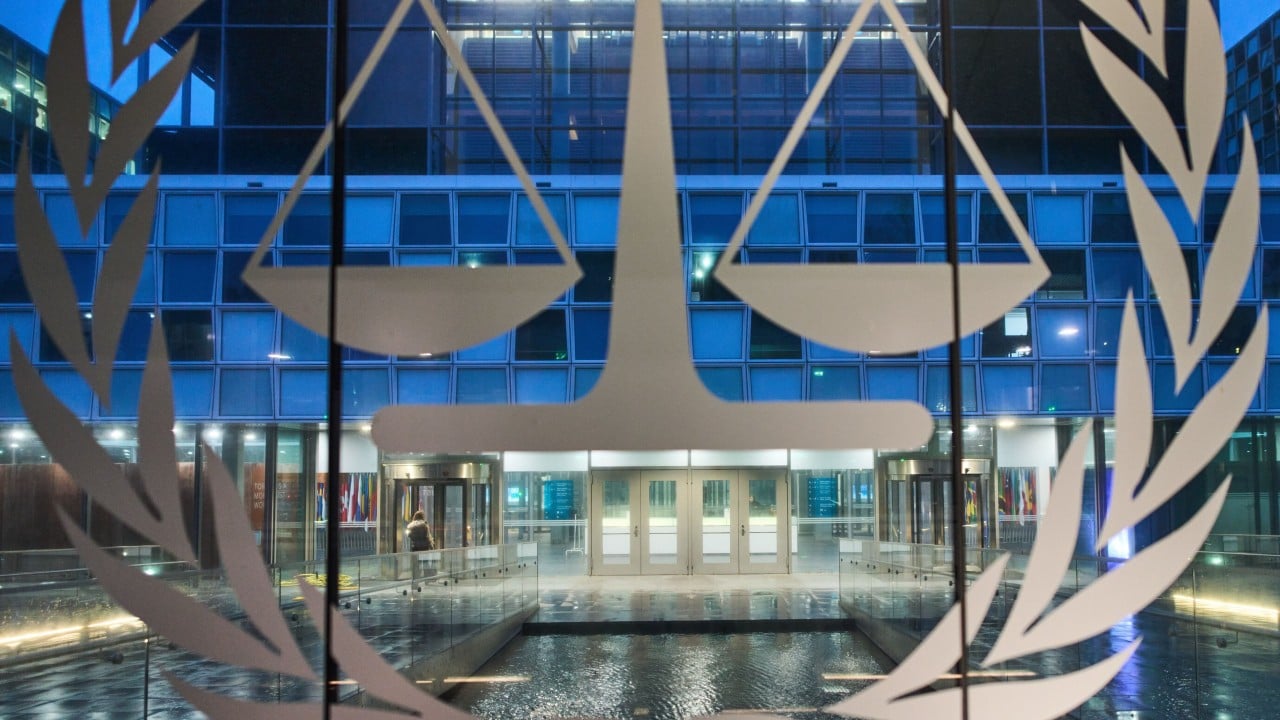
Every time Washington cracks down on the International Criminal Court, civil liberties groups run to federal court like clockwork. They file pristine briefs, invoke human rights covenants, and act shocked when executive authority over foreign policy steamrolls their paperwork.
The lazy consensus in every major editorial board room is simple: the executive branch overreached, international law trumps presidential whim, and judicial review will rescue global accountability. You might also find this similar coverage useful: The Weight of Silence Across the Border.
That consensus is pure fantasy.
Suing the administration over ICC sanctions does not defend international justice. It creates a convenient fundraising loop while misunderstanding how sovereign power actually operates. If you want to fix the system, stop fighting procedural shadows and look at the structural mechanics of global accountability. As highlighted in latest coverage by BBC News, the implications are widespread.
The Separation of Powers Myth in Foreign Policy
Let us dispense with the constitutional fairy tales taught in introductory civics classes. When executive orders target international tribunals, civil rights lawyers immediately dust off domestic statutes and scream abuse of power. They treat foreign policy as if it were a municipal zoning dispute subject to judicial oversight.
It is not.
Under Article II, the president commands broad discretion in foreign affairs, national security, and economic sanctions. Congress explicitly delegates staggering authority through legislation like the International Emergency Economic Powers Act. When courts review these challenges, they almost invariably defer to the executive.
Pretending otherwise is malpractice. Organizations filing these lawsuits know the jurisprudence. They know the political question doctrine stands like a concrete wall against judicial interference in foreign relations. Yet they file anyway. Why? Because righteous litigation plays exceptionally well on donor mailing lists, even when the legal theory rests on quicksand.
Jurisdictional Overreach Meets Sovereign Reality
The core friction isn't about executive tyranny. It is about jurisdiction. The ICC claims universal values, but it operates in a Westphalian world governed by hard power and state consent.
The United States never ratified the Rome Statute. Neither did several other major global powers. Under standard public international law, a treaty cannot bind a non-party state without its consent. When the court attempts to assert jurisdiction over personnel from non-party states participating in allied operations, it crosses from judicial body into political actor.
Sanctions against the court are blunt instruments, ugly and disruptive. But they are a direct response to a court attempting to reach beyond its statutory mandate.
Critics weep about the freezing of assets and visa bans imposed on court officials, framing these measures as assaults on the rule of law. But whose law? Imposing jurisdiction where none exists under international treaty law is judicial imperialism dressed up in legal robes.
The Cost of Performative Litigation
Every dollar spent on federal lawsuits challenging these sanctions is capital diverted from actual accountability mechanisms. While human rights NGOs litigate high-profile injunctions in Washington, domestic atrocities go undocumented, victims of corporate malfeasance abroad go unrepresented, and local accountability projects starve for funding.
I have watched well-funded advocacy groups blow millions on motions destined for summary dismissal, all for the fleeting dopamine hit of a press release quoting their executive director. It is safe, theatrical rebellion. It challenges the administration in forums designed to validate executive power, ensuring zero actual risk to the status quo.
Imagine a scenario where these same legal teams spent a fraction of those resources building transparent compliance frameworks or assisting domestic jurisdictions in establishing legitimate, locally rooted tribunals. That would require hard, unglamorous work. It wouldn't generate cable news chyrons or emergency fundraising appeals.
Redefining Accountability
If you want to challenge Washington's posture toward international tribunals, you have to engage with realpolitik. You do not do it by pretending federal judges can rewrite executive foreign policy through a handful of injunctions.
Real accountability happens through sustained diplomatic engagement, bilateral treaties, and domestic legislative reform. It requires convincing lawmakers to change statutory authorities, not begging judges to invent exceptions to established separation of powers doctrines.
The legal establishment prefers lawsuits because lawsuits preserve the comfortable illusion that international law is a self-executing religion. It is not. It is a reflection of power dynamics, state interests, and leverage.
Stop funding dead-end litigation designed to soothe liberal anxieties. Stop treating executive overreach as an accidental glitch when it is a structural feature of an unyielding superpower navigating a hostile global arena.
The next time an advocacy coalition announces a groundbreaking lawsuit against sanctions, check your wallet, check your skepticism, and watch how fast the fundraising appeal hits your inbox before the ink on the complaint even dries.


