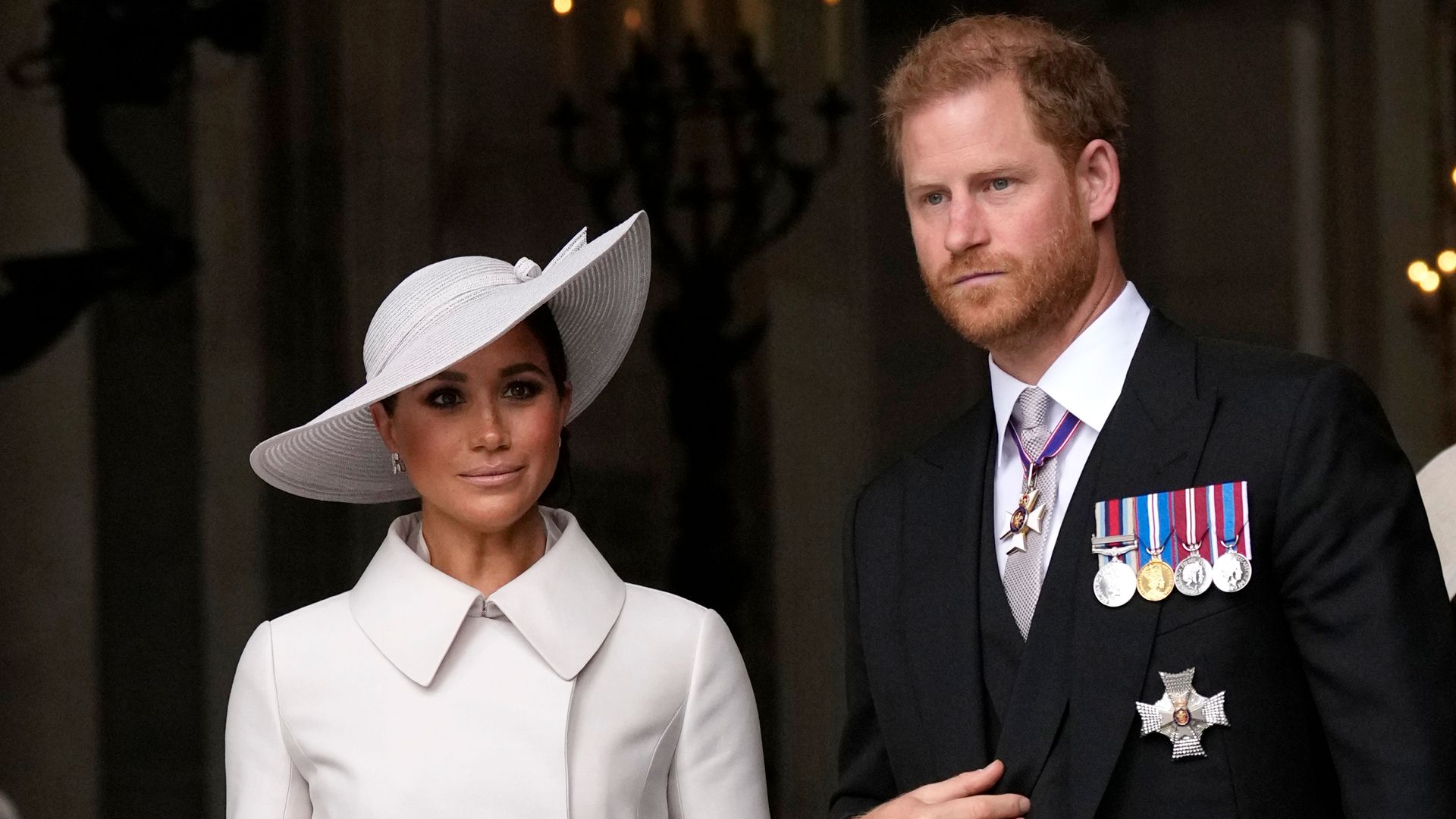
Let's cut straight through the noise. Prince Harry and Meghan Markle's ongoing security arrangements in Britain carry an estimated price tag scaling up to five million pounds annually. Yet nobody wants to talk about the awkward truth underpinning this entire saga. When public figures step away from official duties, the financial boundaries get messy. You cannot just expect the British taxpayer to foot a multi-million-pound protection bill for non-working royals. At the same time, dismissing legitimate security threats is equally dangerous.
The core question everyone keeps asking is simple. Who actually pays when high-profile royals relocate?
The Reality of Royal Protection Costs
Running a round-the-clock armed security detail isn't cheap. Former Metropolitan Police insiders estimate that maintaining a dedicated royal protection team for a family of four requires dozens of trained officers rotating shifts. Add intelligence briefings, secure transport, and advance logistics, and the costs skyrocket.
When the Duke and Duchess of Sussex stepped down from their senior roles, their automatic taxpayer-funded security was pulled. That decision sparked a chain reaction. Harry launched multiple legal challenges against the Home Office, arguing that his family faces unique threats due to his military service in Afghanistan and his birthright. Those court battles alone drained hundreds of thousands of pounds from public funds, turning a private family dispute into a massive public controversy.
Why the Debate Is Stalling
Public sentiment on this issue is deeply divided. On one side, critics argue that private citizens—no matter their lineage—should fund their own private security details. During a tough economic climate, watching millions get spent on non-working family members creates a PR disaster for the monarchy.
On the other side, security experts point out that threat levels do not drop just because someone stops cutting ribbons. Harry remains sixth in line to the throne. His profile attracts specific risks that private bodyguards simply cannot handle alone. Private security firms lack jurisdiction over UK intelligence networks and cannot carry firearms on British soil the way state police can.
Moving Past the Stalemate
Fixing this issue requires looking at how other high-profile public figures manage personal safety without relying entirely on the state. Independent threat assessments are handled on a case-by-case basis by the Executive Committee for the Protection of Royalty and Public Figures (Ravec). Until a middle ground is found—perhaps involving a hybrid funding model or strictly managed risk protocols for specific visits—the friction will persist.
If you are tracking how public funds intersect with private lives, keep an eye on how future international events are managed. Transparency remains the only real antidote to public outrage.
To learn more about how security decisions are processed for high-profile figures, watch this breakdown on Canada spent more to protect Prince Harry. This video provides context on how state protection costs are handled during international visits.