Freezing water is supposed to kill you in minutes. When your core temperature plummets, your heart stops, and your brain runs out of oxygen, that is usually the end of the story.
Except when it is not. Also making waves lately: Why Everything You Know About Ebola Outbreaks in the Congo is Completely Wrong.
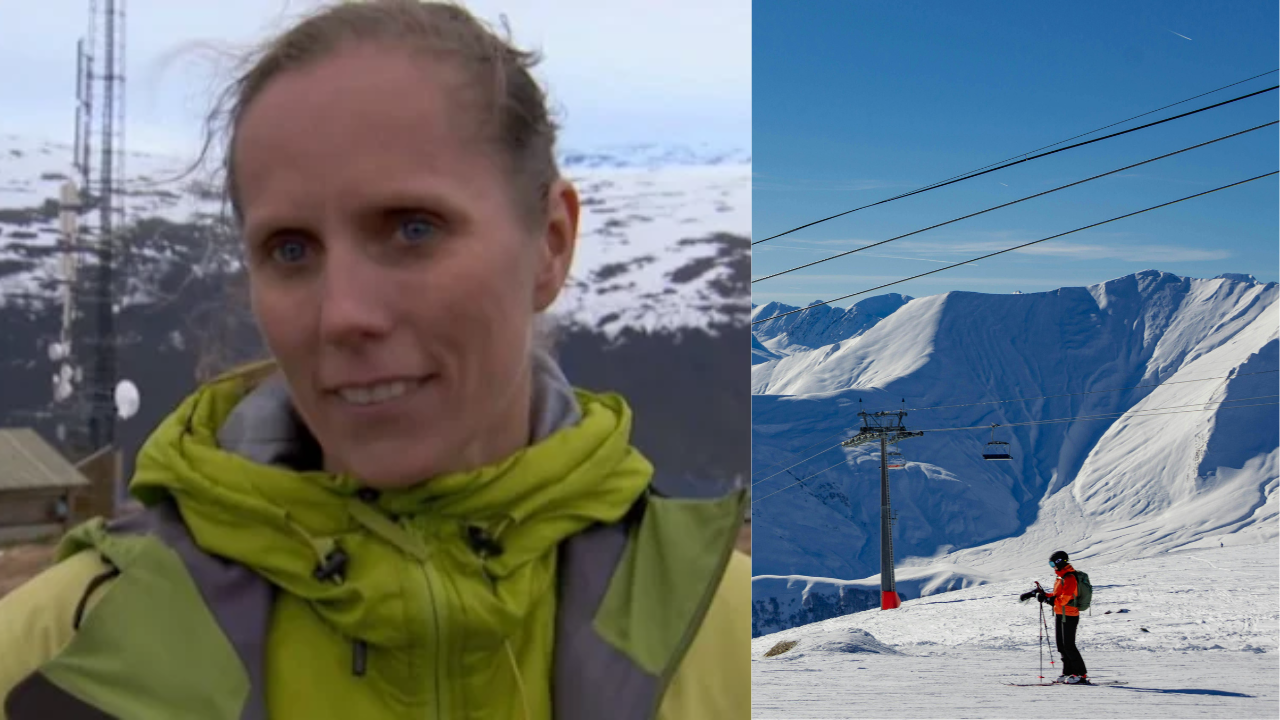
Anna Bågenholm didn't just survive an unbelievable winter accident. She rewrote the medical textbook on hypothermia. Back in May 1999, she was skiing in Sweden, crashed headfirst into a frozen stream, and got trapped upside down under a thick sheet of ice. Her friends tried desperately to pull her out, but she was locked tight. She spent eighty full minutes submerged in near-freezing water before rescue crews finally cut her free.
When they pulled her out, she wasn't breathing. Her heart had stopped. She had no pulse. By all normal medical standards, she was clinically dead. More details on this are covered by WebMD.
Yet, today, she is back at work as a radiologist. How did she beat the odds?
The Science of Extreme Cold Saving Lives
Most people think freezing is entirely bad for the human body. Cold destroys tissue via frostbite, true. But cold also triggers a massive metabolic slowdown if it happens fast enough.
Anna fell into an air pocket under the ice at first, which allowed her a tiny gasp of air. But soon, she stopped breathing completely. As her body temperature dropped to a record-breaking 13.7 degrees Celsius (56.7 degrees Fahrenheit), her brain metabolism slowed to a crawl.
Think of it like a biological pause button.
When the rescue team brought her to the hospital in Tromsø, Norway, doctors refused to give up. Mads Gilbert and his team hooked her up to a cardiopulmonary bypass machine. They slowly warmed her blood outside her body before pumping it back in. Nine hours after the accident, her heart started beating again on its own.
What Most People Get Wrong About Hypothermia Accidents
You hear stories about winter survival and assume it is all about willpower. It is not. It is physics and biology.
People panic in cold water. Panic burns oxygen faster. Anna didn't panic for long; she lost consciousness quickly. That rapid cooling protected her brain from starving for oxygen. If she had stayed warm while suffocating, brain death would have occurred within five minutes. Instead, the extreme cold preserved her brain cells before oxygen could completely run out.
Doctors learned a vital lesson from this case. You are not dead until you are warm and dead.
This phrase completely changed trauma care protocols worldwide, especially in cold-weather regions. Emergency rooms stopped writing off hypothermic cardiac arrest patients too quickly. Aggressive rewarming became the standard playbook.
Recovery Beyond the Ice
Surviving the initial rescue was only the first hurdle. Waking up from that kind of trauma brings immense physical and psychological challenges.
Anna spent months in intensive care and rehabilitation. Her nervous system took a massive hit. She suffered from nerve damage in her hands and struggled with minor memory issues for a long time. Her kidneys and digestive system barely survived the shock of shutdown and restart.
Yet she pushed through relentless physical therapy. She refused to let the accident define her career or her life. By September 1999, she returned to the hospital, cautiously stepping back into the rhythm of medical work.
What This Means For Modern Medicine
Cases like this force us to rethink the absolute limits of human endurance. We now understand that accidental deep hypothermia can act as a shield against anoxia (lack of oxygen).
Emergency medicine now utilizes controlled therapeutic hypothermia during certain surgeries and cardiac arrests. Doctors deliberately cool patients to protect organs from damage. Anna's terrifying accident accidentally helped pioneer modern protocols that save countless lives today in standard hospital settings.
Stop assuming severe accidents have inevitable outcomes. Biology is full of surprising loopholes, provided the medical team knows how to exploit them.
Take care of your health, respect the power of freezing water, and never underestimate what the human body can endure when conditions align just right.