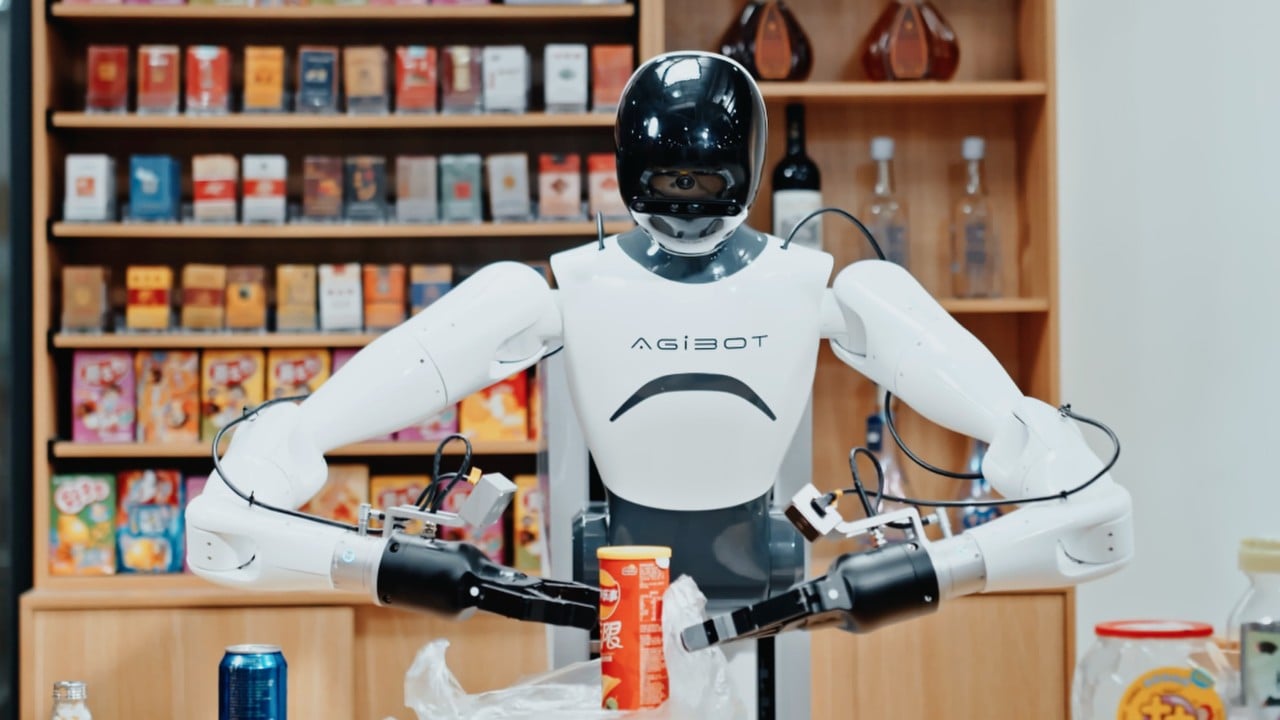
Everyone wants the silicon valley fantasy. The standing desk, the hoodie uniform, the endless espresso, and the quiet belief that tapping away at a sleek aluminum laptop makes you a master of the universe. We call it the tech life. It is packaged and sold as the ultimate meritocracy where young minds build the future between ping-pong matches and company-sponsored kombucha taps.
It is a complete fraud.
I have watched companies burn tens of millions of dollars building internal cultures that prioritize the aesthetic of innovation over actual execution. I have sat in boardrooms where executives debated the color scheme of a collaboration tool while their core revenue stream bled out. The obsession with living the tech life has transformed millions of capable professionals into corporate cosplayers. You are not building the future. You are playing a high-stakes game of pretend inside a climate-controlled incubator.
The lazy consensus tells us that adopting high-tech workflows, chasing the latest productivity stack, and surrounding yourself with digital noise equals progress. That is false. More tools equal more distraction. Every hour spent configuring a new workspace dashboard or syncing your life across seven distinct cloud environments is an hour you spent avoiding the actual, painful work of creating value.
Let us look at how this manifests in the wild.
The Productivity Trap That Eats Your Output
Walk into any modern digital office and you will find people drowning in efficiency theater. They have automated their calendars, color-coded their task managers, and optimized their note-taking apps down to the microsecond. They feel busy. They feel accomplished.
They are producing nothing of consequence.
Efficiency is about doing things fast. Effectiveness is about doing the right things at all. The tech life culture worships the former while completely ignoring the latter. When you optimize a broken process, you only manage to break things faster. I've seen teams spend three solid weeks migrating project management systems because a new platform promised a three percent boost in cross-team visibility, only to watch their actual product delivery timeline slip by two months.
That is not modern business. That is administrative masturbation.
Real builders do not care about your stack. They care about constraints. They understand that every single piece of software you introduce into your workflow adds friction, cognitive load, and a new vector for failure. The most lethal operators I know work with shockingly primitive tools because they spend their mental energy on problem-solving, not tool-maintenance.
The Myth of the Digital Nomad Elite
Then there is the lifestyle propaganda. Instagram feeds are flooded with glowing screens on Bali beaches and laptops balanced on rustic wooden cabins in the Pacific Northwest. We are told that untethering yourself from physical geography is the pinnacle of professional freedom.
It is a marketing campaign designed by laptop manufacturers and co-working space chains.
Proximity matters. Culture is not built in a Slack channel. The best breakthroughs happen in messy, uncomfortable, in-person collisions where people can read body language, cut through corporate speak, and argue without a mute button protecting them. When you scatter your team across twelve different time zones in the name of remote flexibility, you often trade deep collaboration for asynchronous politeness. You get a company where nobody wants to step on toes, meaning nobody takes real risks.
Remote work has its place, but let us stop pretending it is an unalloyed good. It creates a transactional relationship between employee and employer. When work is reduced entirely to a set of outputs measured across a fiber-optic cable, you become a commodity. And commodities are easily replaced by cheaper alternatives, whether that is a worker in a different hemisphere or an algorithm that can draft your reports before you finish your morning cold brew.
What the Data Actually Tells Us About Innovation
Let us address the core argument of the tech life evangelists: that technology inherently accelerates human capability.
Look at total factor productivity growth over the last four decades. Despite the introduction of personal computers, the internet, mobile devices, and artificial intelligence, macroeconomic productivity growth has flatlined compared to the mid-20th century eras of electrification and heavy manufacturing. We have more computing power in our pockets than NASA used to land on the moon, yet we spend our days answering emails, managing software subscriptions, and attending virtual syncs about other virtual syncs.
We have substituted computational busyness for structural innovation.
When you strip away the marketing gloss, the tech life is remarkably fragile. It relies on endless venture capital subsidies, infinite bandwidth, and a relentless cycle of hardware upgrades that treat durable goods like disposable fashion. It teaches professionals to become consumers of infrastructure rather than creators of value.
How to Break the Cycle
If you want to survive and thrive in a world obsessed with digital superficiality, you have to do the exact opposite of what the gurus preach.
Stop buying tools. Start mastering fundamentals.
When a new piece of software drops, your default reaction should be skepticism, not excitement. Ask yourself what problem it is actually solving, or if it is just creating a new category of administrative labor to justify its own subscription fee. Protect your attention the way a venture capitalist protects their capital. Every notification is a tax on your cognitive capacity. Every app switch is a micro-fracture in your focus.
The professionals who will command the highest leverage in the coming decade are not the ones who know how to prompt an LLM or configure a complex automation pipeline. They are the ones who can sit in a quiet room, ignore the digital noise, and think clearly about complex human problems.
The screen will still be there when you get back. Put it down.