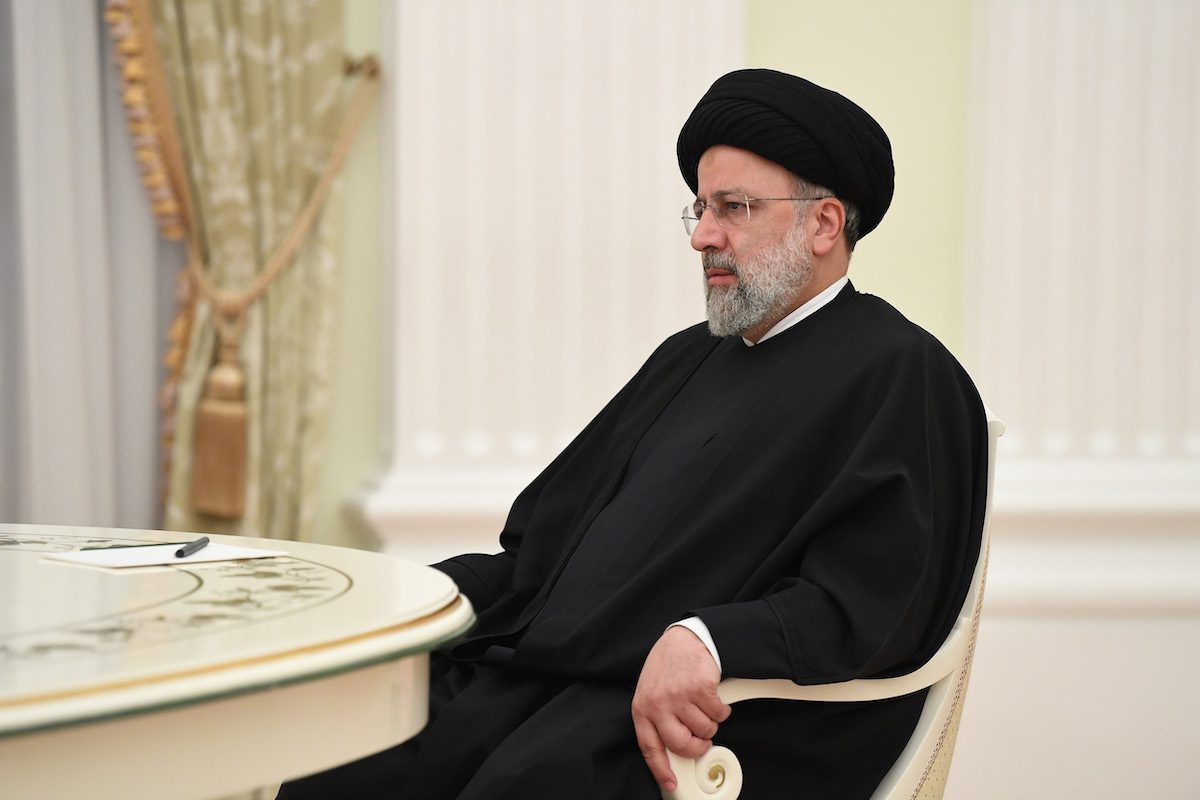
Iran just sent another loud signal to the world that it isn't moving an inch from its stance on the most important chokepoint in global energy. Ebrahim Azizi, the head of the Iranian Parliament's National Security and Foreign Policy Commission, made it clear that Tehran views the Strait of Hormuz as their red line. He basically told the international community that Iran will never relinquish its control or influence over these waters.
This isn't just tough talk for a local audience. It's a calculated reminder of the leverage Iran holds. If you look at a map, you'll see why the world gets nervous every time a lawmaker in Tehran starts talking like this. The Strait of Hormuz is a narrow stretch of water—only about 21 miles wide at its narrowest point—linking the Persian Gulf with the Gulf of Oman and the Arabian Sea. It’s the only way to get oil out of the biggest producers in the Middle East.
Why the Strait of Hormuz keeps the world on edge
You've probably heard the stats, but they're worth repeating because they're staggering. Roughly 20% of the world's total petroleum liquids consumption passes through this tiny neck of water every single day. That's about 20 or 21 million barrels of oil. When Azizi says Iran won't back down, he’s reminding the U.S., Europe, and Asia that he has a finger on the pulse of the global economy.
Iran has always maintained that it’s the primary guardian of security in the Persian Gulf. They view the presence of foreign navies, specifically the U.S. Fifth Fleet, as an intrusion. Azizi’s comments reflect a long-standing Iranian doctrine. They believe that regional security should be handled by regional players. But "handled" usually translates to "controlled by Iran."
The tension isn't just about shipping lanes. It’s about sovereignty and survival. Iran has faced decades of sanctions. They use their geographic position as a counter-weight to economic pressure. It's a simple, brutal logic. If Iran can't export its oil freely because of sanctions, why should everyone else get a free pass through their backyard?
The logistics of a potential blockade
Many analysts argue about whether Iran could actually close the Strait. It's not as simple as just parking a few ships in the middle. The shipping lanes are divided into two-mile-wide channels for inbound and outbound traffic, separated by a two-mile wide buffer zone.
To actually "close" it, Iran would need to use a mix of mines, shore-based anti-ship missiles, and small fast-attack boats. They’ve practiced this in countless "Great Prophet" military drills over the years. But here’s the reality check. Closing the Strait is a "suicide option." It would hurt Iran's own economy just as much as anyone else's. They need those waters to get their own goods out, even if they're selling through back channels or to specific partners like China.
Azizi’s statement is more about "active deterrence." It tells the West that any military strike on Iranian soil or a total blockade of Iranian exports would result in a nightmare scenario for global energy markets. Imagine oil hitting $150 or $200 a barrel overnight. That's the ghost Iran is conjuring.
The role of the IRGC Navy
While the regular Iranian Navy handles the "blue water" stuff, the Islamic Revolutionary Guard Corps (IRGC) Navy is the one that actually manages the Strait. They use unconventional tactics. Think swarms of fast boats that can harass much larger tankers or destroyers.
When a high-ranking MP like Azizi speaks, he's reflecting the mindset of the IRGC. They don't want a fair fight. They want an asymmetric one. They've spent years building underground "missile cities" along the coast. These are hardened sites that can launch strikes against ships from hidden positions. This makes the threat of "never relinquishing control" much more than just a political slogan.
What happens to oil prices if things go south
Markets are jumpy. Traders hate uncertainty. Usually, when an Iranian official makes a comment like this, you see a small "risk premium" tick up in the price of Brent crude. But the world has also grown somewhat numb to the rhetoric. We've heard versions of this since the Tanker War of the 1980s.
The real danger comes from a miscalculation. A seized tanker here, a drone strike there, and suddenly you aren't just talking about words in a parliament building. You're talking about insurance rates for shipping companies skyrocketing. If insurers refuse to cover ships going through the Strait, it doesn't matter if the water is physically blocked or not. The ships won't sail.
- China is the biggest loser in a Strait of Hormuz crisis. They rely heavily on Middle Eastern crude.
- India and Japan follow closely behind.
- The US is more energy independent than it used to be, but it’s still tied to global prices. If the price goes up in London, it goes up in Texas.
How the West responds to the Tehran threat
The US and its allies have tried to create "workarounds" for years. There are pipelines that bypass the Strait, like the Habshan–Fujairah pipeline in the UAE or the East-West Pipeline in Saudi Arabia. But these can only handle a fraction of the total volume. There is simply no replacement for the Strait of Hormuz.
Washington's strategy is basically to keep a massive military footprint nearby to signal that any attempt to close the Strait would be met with overwhelming force. This creates a permanent state of friction. Azizi’s latest comments show that Iran isn't intimidated by this presence. In fact, they use it to justify their own military buildup.
They see the Strait as their most powerful diplomatic tool. When talks over nuclear deals or sanctions stall, the rhetoric about the Persian Gulf usually heats up. It's a way to bring the world back to the table. You might call it brinkmanship. They call it national security.
The legal battle over the waters
There’s a lot of debate about the legal status of the Strait. Most of the world follows the UN Convention on the Law of the Sea (UNCLOS), which allows for "transit passage." This means ships have the right to move through international straits for continuous and expeditious transit.
Iran has signed but never ratified UNCLOS. They argue that they only have to honor "innocent passage." There’s a big difference. Innocent passage gives the coastal state—Iran—more power to set rules or stop ships that they think are a threat to their peace or security. When Azizi says they won't relinquish control, he’s partially making a legal claim. He's saying Iran has the right to decide who is "innocent" and who isn't.
What you should watch for next
Don't expect the rhetoric to cool down anytime soon. As long as Iran feels backed into a corner by sanctions, they’ll keep the Strait of Hormuz on the table as a potential weapon. It’s their ultimate insurance policy.
If you're watching this situation, don't just look at the headlines. Look at the shipping insurance rates and the movement of the IRGC fast-attack craft. Watch the "bridge" between the rhetoric of politicians like Azizi and the actual movements on the water.
Next steps for tracking this situation
- Monitor the weekly reports from the U.S. Energy Information Administration (EIA) on oil transit volumes.
- Follow the maritime security alerts from organizations like UKMTO (United Kingdom Maritime Trade Operations).
- Keep an eye on any new pipeline projects in the UAE or Saudi Arabia that aim to divert more crude away from the chokepoint.
The Strait of Hormuz is the world's most sensitive economic nerve. Iran knows it. Azizi knows it. And now, they've reminded everyone else that they have no intention of letting go.