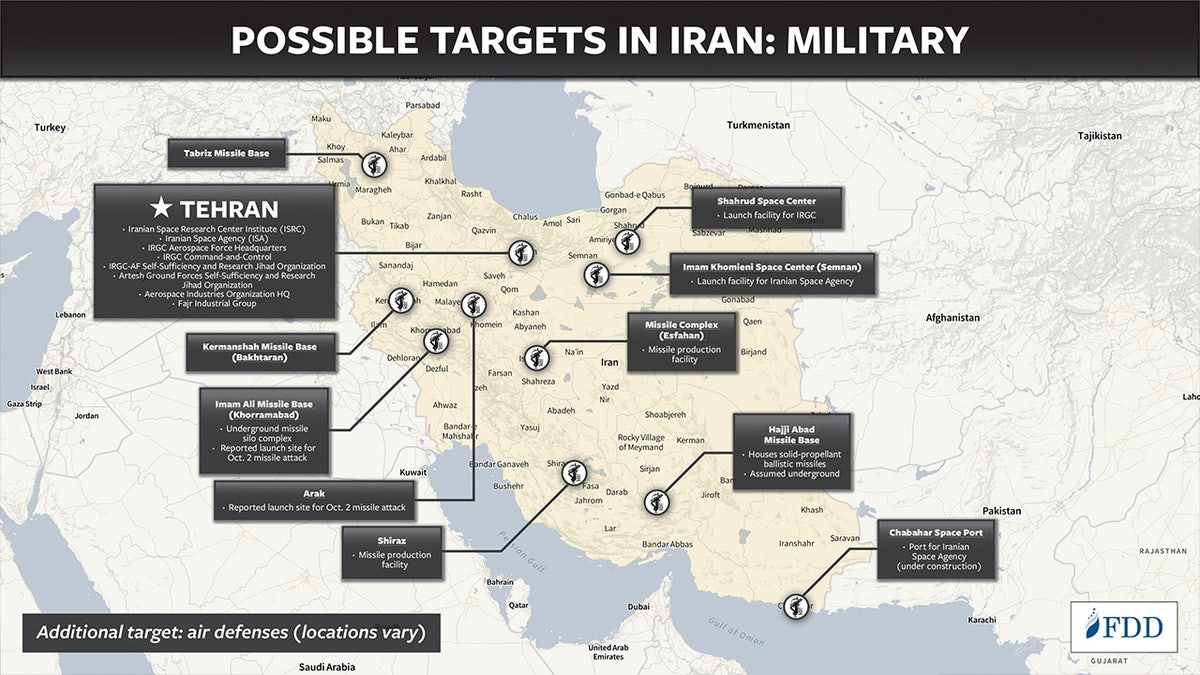
The recent chatter regarding Iran weighing strikes against American military assets in Europe carries the weight of a geopolitical threat, yet beneath the surface, it reveals a fundamental shift in the regional conflict. Reports citing insiders suggest that Tehran has assessed targets in nations like Bulgaria and Cyprus, framing these potential actions as a direct warning to European capitals. This rhetoric is designed to fracture the Western coalition, pushing the narrative that supporting United States military policy carries a direct, physical price for the European continent.
However, viewing this through a strictly tactical lens exposes the limitations of Iran's actual capability. While the Islamic Republic possesses a substantial inventory of ballistic and cruise missiles, the ability to project that force with precision across the vast distance to southeastern Europe remains a theoretical exercise rather than a proven operational reality. Military analysts frequently point to a harsh geometric truth. As the distance of a missile flight increases, accuracy diminishes and the payload capacity shrinks significantly.
The strategic messaging here relies on psychological intimidation. By naming specific bases, such as the Bezmer Air Base in Bulgaria or British facilities in Cyprus, Tehran is attempting to force European governments to re-evaluate their strategic alignment with Washington. It is an effort to drive a wedge between NATO members and the American administration by highlighting a vulnerability that many European nations—focused largely on internal defense and the war in Ukraine—are ill-equipped to manage.
This maneuver reflects a growing realization within Tehran’s security apparatus that the conflict, should it escalate further, cannot remain confined to the Middle East. If the current status quo shifts and the United States pursues an active campaign against Iranian infrastructure, the regime is signaling its intent to raise the stakes globally. This is not necessarily an indication of an impending strike, but rather a warning that the "containment" of this war is a fantasy.
Europe’s current defense posture is already under immense strain. The ongoing requirements of supporting the war in Ukraine, combined with the slow pace of industrial rearmament, have created a window of vulnerability that many observers have noted for months. Adding the potential for Iranian retaliation against assets on European soil complicates the calculation for every EU member state. It forces a difficult trade-off: prioritize local defense and maritime security in the Gulf, or maintain the flow of materiel to eastern fronts.
The technical reality of Iran’s arsenal suggests that any such attack would rely heavily on medium-range ballistic systems or proxy-led drone operations. These are far from the intercontinental reach required for a sustained campaign. An attempt to strike a target in Bulgaria would be a high-stakes provocation with a high probability of failure, likely triggering a overwhelming response from Western air defense systems. The risk to Tehran of missing, or worse, hitting a civilian area, would likely outweigh any political gain.
Ultimately, the threats to Europe serve as a secondary front in a much larger struggle for influence. Tehran is testing the resolve of the Atlantic alliance, betting that if they make the cost of American-led military action tangible to a citizen in Sofia or Nicosia, the political appetite for conflict will vanish. They are playing a game of brinkmanship where the primary weapon is fear, not the missiles themselves.
The European response must move beyond reactive military deployments. While scrambling interceptors or naval assets to the Eastern Mediterranean provides a temporary sense of security, it does little to address the underlying industrial and strategic dependency that creates these vulnerabilities. The long-term answer involves de-risking from supply chains that divert equipment during crises and strengthening the integration of European-made missile defense layers.
Security in the modern era is becoming an increasingly expensive and complex endeavor. Nations that rely on external guarantees are finding that those guarantees are only as strong as the political winds in Washington. Until the capacity for independent, long-range defense is fully realized, the continent will remain a chessboard for actors who understand that, in war, the most effective strike is often the one that never has to leave the launchpad.