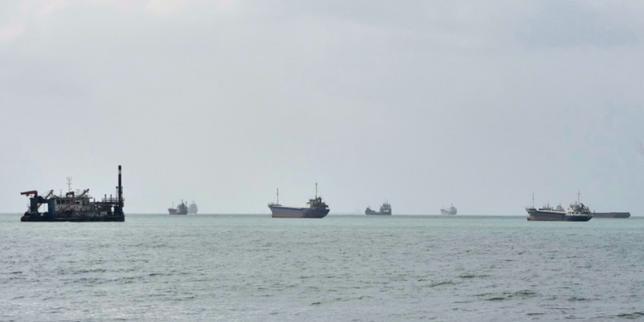
Global shipping routes don't break all at once. They fray at the edges, one restricted passage at a time. When maritime security tightens in a critical trade corridor, cargo owners feel the pinch within hours. Right now, the Strait of Hormuz sits at the center of that pressure. You hear about localized naval maneuvers and limited flare-ups, but the actual impact reaches every gas pump and manufacturing plant worldwide.
Let's look at what's really happening on the water.
Why This Narrow Channel Controls the World Economy
Geography doesn't care about your trade agreements. The Strait of Hormuz is the only sea passage from the Persian Gulf to the open ocean, acting as a vital choke point for roughly a fifth of the world's petroleum consumption. If you shut down this narrow ribbon of water, energy markets panic instantly.
Tankers crawl through shipping lanes just miles wide, flanked by territorial waters that leave zero margin for error.
We saw this script before during past regional flare-ups. A minor naval standoff occurs. Insurance rates for cargo vessels hauling crude spike overnight. Tanker operators reroute or slow down. The market reacts not just to actual physical blockages, but to the sheer fear of disruption.
Cargo captains hate uncertainty more than they hate high fuel costs. When military patrols increase, civilian crews get nervous. Ports experience scheduling bottlenecks. The ripple effects hit container ships carrying everything from electronics to industrial chemicals, not just oil tankers.
The Reality of Limited Hostilities
Military analysts love terms like "limited hostilities" because it sounds clean. It implies controlled friction. But ask any maritime insurer if a limited naval clash feels controlled when their risk models explode.
Low-intensity conflict in a choke point involves harassment, electronic jamming of navigation systems, and occasional boarding actions. These aren't full-scale naval battles with battleship lines. They're asymmetric games of cat and mouse using fast attack craft and drones.
This approach keeps tensions high without triggering an all-out war nobody wants. Yet, it creates a persistent hazard for commercial traffic.
- Navigation Risks: GPS spoofing forces crews to rely on traditional paper charts and visual bearings.
- Cost Multipliers: War risk insurance premiums multiply by staggering percentages after every incident.
- Schedule Delays: Convoys form up, wait for naval escorts, and lose days at critical terminals.
When hostilities stay limited, shippers adapt by absorbing higher operational costs. They pass those expenses down the line. You pay more for fuel, plastics, and shipped goods without ever seeing a headline about a blocked port.
How Businesses Are Hedging Their Bets
Smart logistics directors stopped treating the Persian Gulf as a stable highway years ago. They build redundancy into their supply chains whether management likes the extra line-item cost or not.
If you manage physical inventory that relies on Middle Eastern energy feedstocks or manufactured components moving through regional ports, waiting for a crisis to update your routing strategy is career suicide.
Diversification is the only real defense against chokepoint vulnerability. Companies are shifting procurement toward suppliers in North America and Western Europe. They pay a higher unit cost for raw materials to avoid the existential dread of a blocked strait.
Pipeline bypasses help, too. Moving crude overland to Red Sea terminals reduces reliance on tankers passing through narrow maritime bottlenecks. But pipelines have capacity limits and geopolitical risks of their own.
What Comes Next for Maritime Security
Naval coalitions will keep patrolling these waters, escorting flag-bearing tankers through hostile zones. That deterrence works most of the time, but it cannot eliminate the risk entirely.
Expect sporadic flare-ups to continue as a permanent background feature of global trade. The underlying political friction isn't going away.
Prepare your operations for chronic volatility rather than waiting for a permanent resolution. Audit your supplier dependencies today. Identify every single component in your product pipeline that travels through high-risk waters. Find alternative sources before your competitors clean out the available inventory.