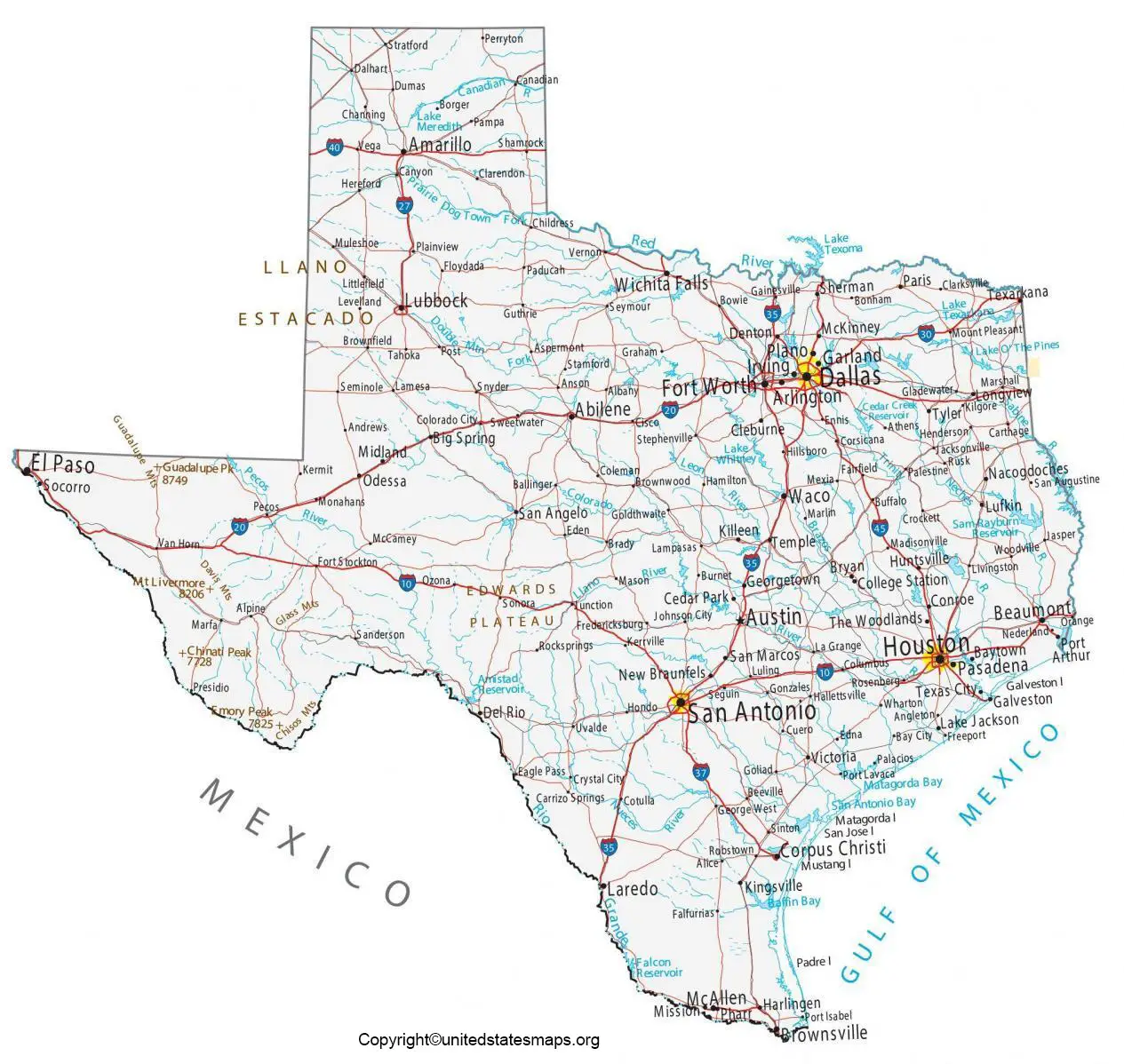
The Texas economic engine is expanding past its pandemic-era velocity, having pushed total annual gross state product over $2.3 trillion. Yet this massive population shift and corporate migration story hides severe infrastructural vulnerabilities that few analysts care to admit. For decades, the narrative surrounding the Lone Star State centered on a simple formula. Low taxes, minimal state regulations, and abundant land created an irresistible magnet for companies and workers fleeing high-cost coastal states. That formula generated millions of jobs and propelled major metropolitan areas like Dallas-Fort Worth, Houston, and Austin into global commercial prominence.
Scratch the surface of this financial expansion, however, and a much more complicated reality emerges. The state is currently grappling with severe structural strains, a normalization of growth rates, and mounting resource constraints that threaten to choke future progress. Understanding the true trajectory of the Texas economy requires looking past the corporate press releases and examining the heavy price of unbridled expansion.
The Mechanics of the Inbound Surge
To comprehend why businesses and individuals packed moving trucks for Texas, one must look at the fiscal architecture. Texas remains one of the few states in the nation without a personal income tax. For a senior executive or a mid-level engineer leaving California or New York, that distinction translates to an immediate financial windfall. Corporate tax structures and regulatory frameworks were deliberately designed to reduce friction for incoming enterprises.
Major corporations did not merely set up small satellite offices; they transplanted entire corporate apparatuses. Financial giants, technology firms, and heavy industrial operations relocated headquarters to North Texas and Central Texas to capitalize on cheaper operating costs and available land. This corporate influx fed upon itself. As firms arrived, they brought high-earning employees who possessed substantial home equity from their states of origin. These newcomers drove demand for housing, commercial real estate, and professional services, creating an explosive cycle of wealth generation.
Yet this inward rush created severe second-order effects. The influx of capital rapidly degraded the primary advantage that drew people there in the first place: affordability.
The Housing Affordability Trap
For years, cheap housing served as the great equalizer in Texas. While coastal metros locked families out of homeownership through restrictive zoning and high construction costs, Texas cities built outward. Subdivisions materialized across acreage in Collin County, Fort Bend County, and Williamson County with astonishing speed.
That buffer has eroded significantly. Decades of relentless population inflows have driven median home prices in Austin, Dallas, and Houston to historic highs relative to local wages. While properties still look reasonably priced to a buyer arriving from Silicon Valley or Manhattan, they increasingly lock out native-born Texans and middle-income workers. Property taxes, which substitute for the missing state income tax, have skyrocketed alongside soaring home valuations. Many homeowners find that their annual property tax burden rivals or exceeds the income taxes they might have paid elsewhere.
Consider a hypothetical family earning the median local wage in Austin. They find themselves competing against out-of-state buyers paying cash with funds acquired from selling expensive coastal properties. This dynamic alters neighborhood composition and pushes lower- and middle-income service workers further into the exurbs, creating punishing commute times that stretch infrastructure to its absolute breaking point.
Infrastructure on the Brink
Growth demands concrete, steel, and power. For generations, Texas treated its infrastructure as an afterthought, relying on wide-open spaces to absorb expansion. That luxury has expired.
The most glaring vulnerability remains the state's power grid. Managed by the Electric Reliability Council of Texas, the electrical network operates in relative isolation from the rest of the country. This independence shields the grid from federal oversight, but it also deprives it of immediate outside assistance during severe weather events. Extreme summer heatwaves and sudden winter freezes have repeatedly pushed the system to the brink of failure. When industrial demand spikes simultaneously with residential air conditioning loads, the margin for error shrinks to alarming levels.
Water availability presents an equally formidable barrier. Central and South Texas face recurrent drought cycles and rapidly dropping aquifer levels. Municipalities struggle to secure long-term water rights for sprawling suburban developments that continue to sprout across arid terrain. Constructing desalination plants, expanding reservoirs, and upgrading wastewater treatment facilities require billions of dollars in capital expenditure. Local governments, constrained by tax-rate caps and rapid inflation in construction costs, find themselves racing just to maintain current service levels, let alone anticipate future needs.
The Cooling Trend and Workforce Realities
Recent economic indicators signal that the era of hyper-accelerated expansion is moderating into a more standard cyclical pattern. Net domestic migration has slowed down from its pandemic-era peaks. While thousands still cross the border every month, the absolute volume of newcomers has retreated toward historical averages.
Simultaneously, international migration patterns have faced severe headwinds due to tighter federal immigration policies, pinching the labor supply for construction, hospitality, and agriculture. Technology sector corrections have also altered the employment landscape. Major tech firms that aggressively expanded their Texas headcount during the zero-interest-rate era have pruned workforces, forcing regional economies to diversify their employment bases more rapidly than anticipated.
This normalization does not spell doom for the state economy. Diverse drivers including healthcare, aerospace, energy transition initiatives, and logistics continue to provide a solid foundation. The launch of alternative financial platforms like the Texas Stock Exchange underscores a persistent drive to capture national market share in financial services.
State leaders face a stark choice. Relying solely on the old playbook of low regulation and cheap land will no longer suffice when the physical constraints of water, power, and transit dictate the limits of growth. If Texas fails to invest aggressively in foundational public goods and grid resiliency, its celebrated economic miracle risks becoming a victim of its own unchecked momentum