A split second on the Emirates Road turned a routine commute into a nightmare. Seven blue-collar workers, individuals who left their home countries with dreams of building a better life for their families, never made it back to their accommodation. The horrific collision between a corporate minibus and a stalled truck is a brutal reminder of the vulnerability blue-collar expats face every single day.
When a tragedy like this strikes, the headlines usually focus on the grim statistics. We read about the death toll, the traffic violations, and the local police investigation. But for the families left behind in small villages across India and Sri Lanka, the real crisis starts when the dust settles. The primary breadwinner is gone.
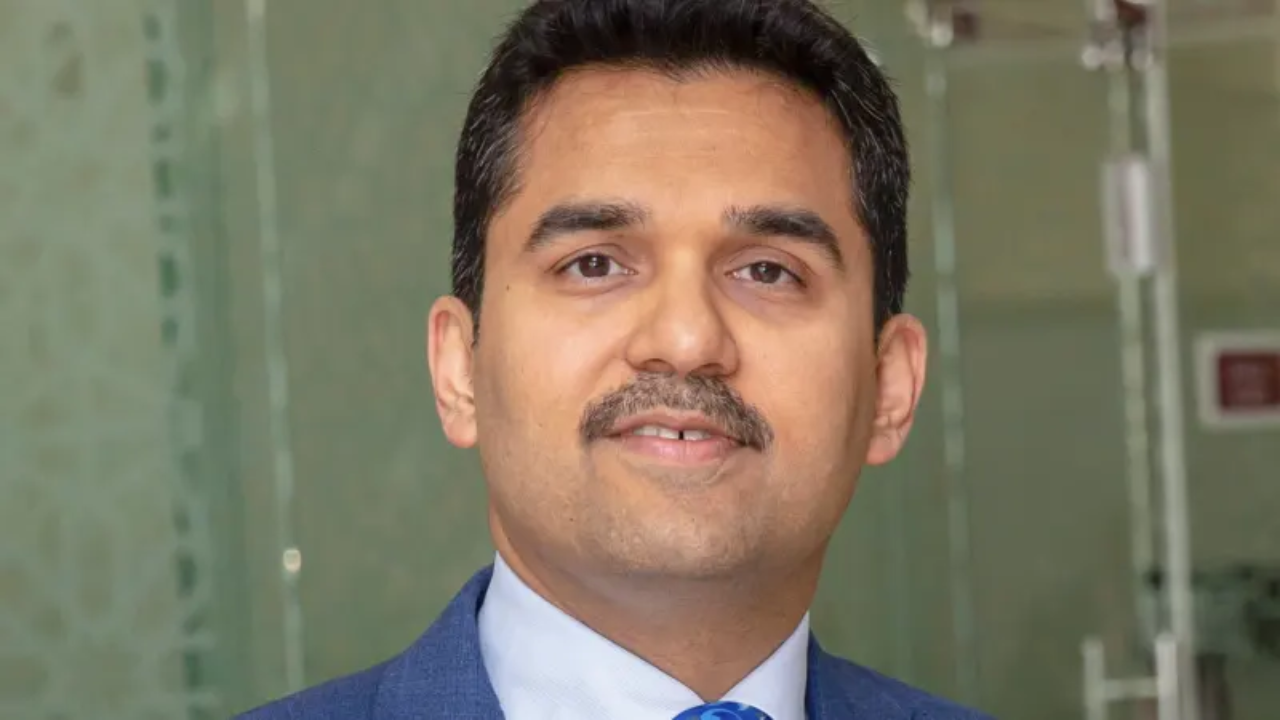
Now, a major financial intervention is changing the immediate outlook for these grieving relatives. Dr. Shamsheer Vayalil, a prominent Indian-origin healthcare billionaire based in the UAE, stepped up with a Dh1 million humanitarian aid package. It doesn't bring back the dead, but it changes the survival calculus for the families left behind.
The Reality of the Emirates Road Crash
The details of the incident are sobering. A minibus packed with employees from a Dubai-based company was travelling down Emirates Road, a major transit artery known for heavy vehicle traffic. Up ahead, a large truck had ground to a halt right in the middle of the highway. According to Brigadier General Juma Salem bin Suwaidan of the Dubai Police Traffic Department, the truck suffered a sudden mechanical failure.
What happened next was catastrophic. The minibus driver failed to maintain a safe distance and rammed directly into the back of the stalled truck. The impact was devastating. Seven people died on the spot. Nine others sustained injuries, with five individuals rushed to the hospital in critical condition.
The human toll hits specific communities incredibly hard. Out of the seven workers who lost their lives, six were Indian nationals. The breakdown of the deceased reveals the deep ties between the Gulf workforce and specific Indian regions:
- Three workers hailed from Uttar Pradesh.
- Three workers came from Telangana.
- One worker was a national of Sri Lanka.
The Indian Consulate in Dubai immediately deployed officials to visit the surviving injured workers in the hospital and coordinate with local police to handle the repatriation of bodies.
How the Dh1 Million Aid Package Actually Works
We see wealthy individuals pledge money all the time, but the structural breakdown of this Dh1 million package shows a targeted understanding of what these families actually need right now. Dr. Shamsheer Vayalil, who built his fortune as the founder and chairman of Burjeel Holdings, isn't just cutting a single generic check.
The financial aid is divided into specific operational buckets to tackle both immediate logistics and long-term stability:
Direct compensation for the bereaved takes up the bulk of the fund. The families of each of the seven deceased workers will receive Dh100,000, totaling Dh700,000. For a rural household in Telangana or Uttar Pradesh, this amount represents years of potential wages that vanished the moment that minibus crashed.
Medical recovery gets a dedicated Dh180,000 allocation. This money is set aside exclusively to fund the ongoing medical treatment, surgeries, and rehabilitation for the nine survivors. Dubai healthcare is world-class, but specialized recovery after a high-speed highway crash is incredibly expensive.
Emergency logistics receives Dh70,000. When an expat worker dies or is critically injured, their rural relatives back home rarely have the cash on hand to book last-minute international flights, secure visas, and arrange hotel stays in Dubai to oversee medical care or accompany a body home. This pool covers those hidden, urgent costs.
The final Dh50,000 is earmarked for an education fund. It targets households where young children just lost their fathers, ensuring that school fees don't become the next casualty of this highway collision.
The Systemic Issue of Worker Transportation
Let's look past the philanthropy for a minute. Why does this keep happening? If you spend any time driving on the major highways linking Dubai, Sharjah, and Abu Dhabi early in the morning or late at night, you know the drill. High-occupancy passenger vans and minibuses move millions of laborers between industrial zones and construction sites daily.
The system relies on thin margins. Subcontractors often push drivers to complete multiple rounds quickly. While Dubai Police have constantly updated traffic systems with smart monitoring tools to crack down on reckless driving, the physical disparity on the road is terrifying. When a lightweight passenger van hits a stationary multi-ton truck at highway speeds, the crumple zone is essentially the passenger cabin.
The official Dubai Police investigation is still digging into the exact physics of the crash. The initial findings point toward tailgating and a failure of the bus driver to spot the stalled truck in time. It highlights a recurring blind spot on fast-moving UAE highways: the extreme danger of stationary vehicles that break down in active traffic lanes.
What Impacted Families and Coworkers Must Do Next
If you are an expat worker in the UAE or have a relative working in the region, a tragedy like this shouldn't just cause panic. It requires understanding the exact steps to take regarding legal rights, consular help, and mandatory corporate insurance coverage.
First, identify the employer's mandatory insurance policies. Under UAE labor law, companies are strictly required to provide workmen's compensation insurance for industrial accidents and transport mishaps that occur during work hours or commutes. Families do not have to rely solely on independent charity. They are legally entitled to statutory insurance payouts.
Second, connect directly with your relevant diplomatic mission. The Indian Consulate in Dubai and the Sri Lankan Embassy have dedicated labor wings. Do not rely on middle-men or independent fixers who offer to expedite compensation for a fee. The consulate handles the legal documentation for repatriation and coordinates directly with the Dubai Police to ensure official accident reports are filed correctly for insurance claims.
Third, ensure that all employment contracts are registered properly on the Ministry of Human Resources and Emiratisation (MoHRE) portal. If a worker is operating under the radar or on an improper visa, securing legal compensation after an accident becomes a massive, uphill battle.
This latest tragedy on Emirates Road is a reminder that the safety of the people who build our cities requires constant vigilance, better transport regulations, and immediate corporate accountability. Independent charity helps pick up the pieces, but systemic safety changes are what prevent the next crash.
The WION news coverage of the Dubai accident provides additional footage and ground reporting on the immediate response of the Indian consulate and local emergency teams at the scene.