:max_bytes(150000):strip_icc():focal(740x387:742x389)/Tim-Curry-red-carpet-tout-012524-515fc8b14b6d4f75856ac8246bd81bbe.jpg)
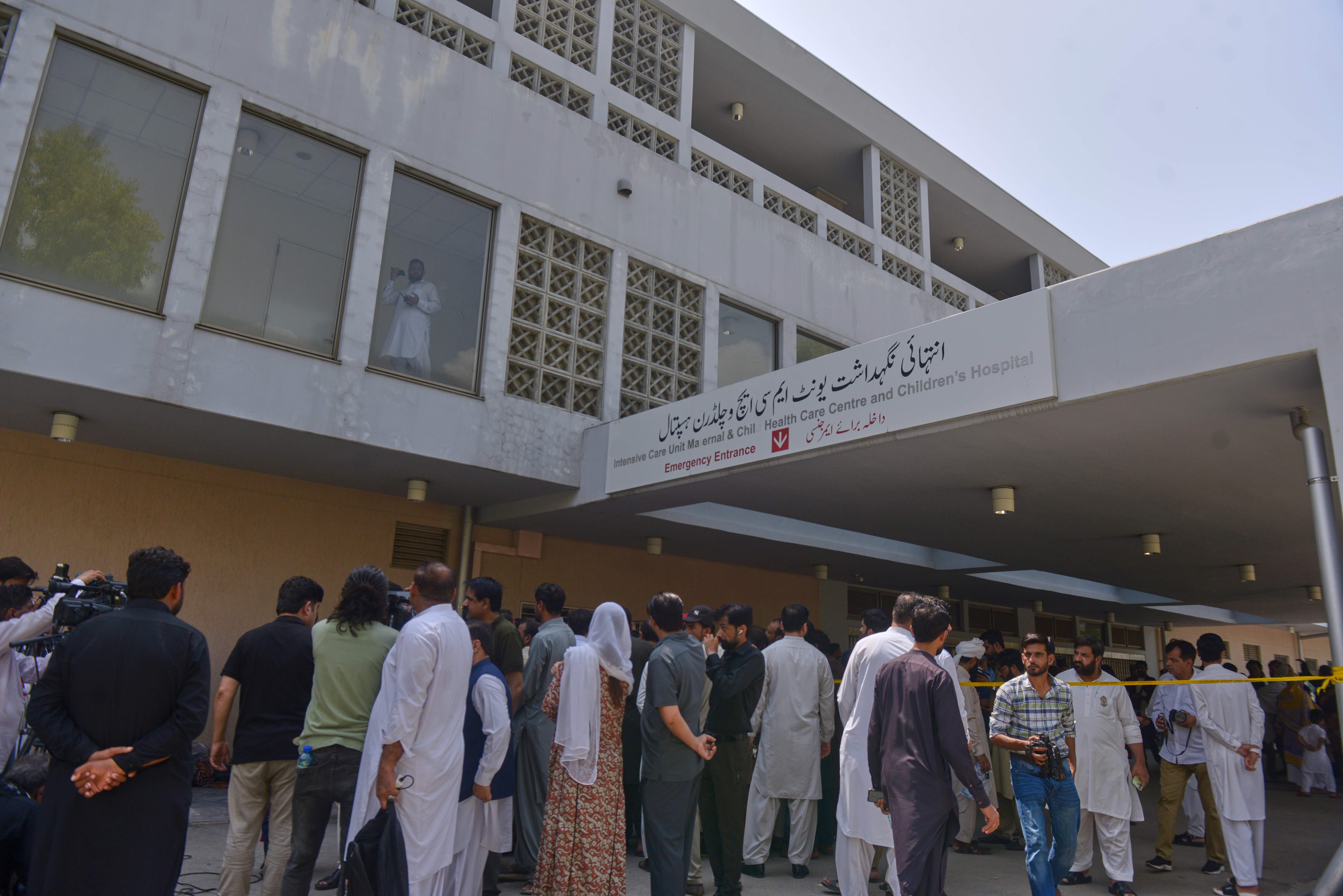
Fourteen newborns lost their lives inside a public hospital nursery in Islamabad because basic safety protocols were ignored. Let's be honest about what happened at the Pakistan Institute of Medical Sciences (PIMS). A hospital is supposed to be a place of healing, not a death trap for children who have spent barely a couple of days on earth.
When an air-conditioning unit compressor exploded on the third floor of the Mother and Child Health ward at 6:45 AM, it triggered a rapid, uncontrollable blaze. Out of fifteen vulnerable infants tucked into incubators and hooked up to oxygen lines, only one single baby survived through the heroic intervention of an attending doctor. The other fourteen infants were completely burned in the inferno.
The Anatomy of a Public Health Collapse
Public outrage followed immediately, but anger alone won't bring those children back. High-ranking officials like Prime Minister Shehbaz Sharif scrambled to express grief and suspend top bureaucrats, including Federal Health Secretary Aslam Ghauri. President Asif Ali Zardari called the deaths an irreparable loss and demanded accountability.
Yet, pointing fingers after the smoke clears is a tired script in Pakistan's political theater. Relatives like Malik Israr, whose niece was in the facility, pointed out a grim reality: the neonatal unit was housed in a dilapidated wing while active structural renovation and repair work went on around them. Mixing heavy construction with fragile, oxygen-dependent intensive care units is pure negligence. It invites catastrophe.
Why Hospital Nurseries Remain Vulnerable Zones
Medical bodies like the Pakistan Medical Association didn't mince words, declaring state-run institutions to be dangerous zones due to chronic regulatory lapses. But this isn't just about one facility in Islamabad. It reflects a systemic failure across public healthcare infrastructure.
Consider the core vulnerabilities that turn ordinary equipment failures into mass casualty events:
- Outdated electrical wiring and overloaded circuits handling heavy medical machinery.
- The dangerous proximity of volatile oxygen cylinders to electrical sources.
- Complete absence of functional, modern sprinkler systems or automatic fire suppression in high-risk pediatric wards.
- Slow emergency response times and a lack of clear evacuation drills for bedridden or incubator-bound patients.
When a short circuit or a compressor blast occurs, staff are left scrambling without proper tools. Emergency windows have to be breached with ladders because doors lock or corridors fill with thick, toxic smoke before anyone can react.
Moving Beyond Empty Investigations
An inquiry committee headed by the additional deputy commissioner general has been formed with a strict twenty-four-hour deadline to submit its findings. A fact-finding report is a standard bureaucratic reaction, but families grieving outside the PIMS gates don't want paper trails. They want structural changes that ensure no other parent has to ask for the ashes of a newborn.
Real accountability means independent safety audits for every single government-run hospital nursery across the country. It means upgrading outdated electrical grids, removing combustible materials from neonatal intensive care spaces, and holding facility administrators criminally liable when basic maintenance is neglected. Until structural safety becomes non-negotiable, these preventable tragedies will keep repeating.