Presidents always worry about how history will treat them, but Donald Trump has entered a completely different gear. Aides report that he has shifted squarely into legacy mode, fixating intensely on physical markers, historic permanence, and outsmarting the reputations of his predecessors. While his party frantically tries to pull his attention back to upcoming congressional battles and immediate economic pain points, Trump has his eyes locked firmly on the history books.
This isn't just standard political posturing. When leaders realize their time in the spotlight is strictly limited, their priorities shift away from day-to-day squabbles and toward eternal monuments. Trump has seen firsthand how easily an incoming administration can rip up policy memos, executive orders, and regulatory rollbacks with the stroke of a pen. Paper regulations disappear overnight. Physical architecture and permanent symbols stick around.
The Architecture of Immortality
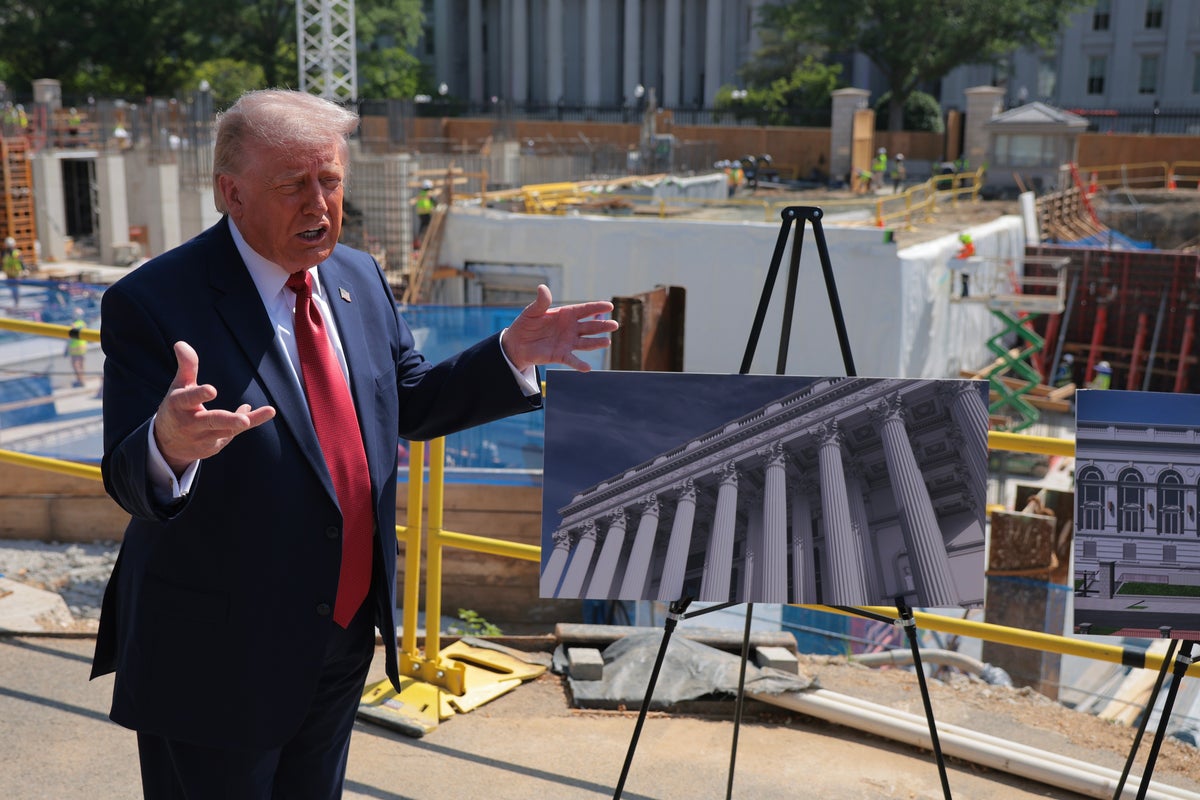
That realization explains his sudden obsession with construction projects around Washington. He spends hours talking about grand infrastructure ideas, from a massive new White House ballroom to a proposed triumphal arch, wanting tangible proof of his era stamped into the capital's geography. Even minor building choices carry massive weight for him. While touring a new South Lawn helipad under construction, he proudly told reporters that the specific stone he selected would endure for one million years.
It goes beyond concrete and steel, too. The push for a lasting footprint extends to everyday federal items. Plans for limited-edition passports, redesigned national park passes, and a commemorative one-dollar coin all serve the same underlying psychological need. He wants ordinary citizens to hold his presidency in their hands long after he leaves office.
The Midterm Clash
The friction between this historic daydreaming and gritty electoral reality is causing real headaches for Republican strategists. Midterm elections are brutal affairs that require relentless focus on voter turnout, local pocketbook issues, and disciplined fundraising. Party leaders have watched anxiously as a Trump-aligned super PAC—sitting on a war chest exceeding $400 million—fails to deploy funds aggressively into competitive races where congressional majorities hang in the balance.
Instead of treating the map like a tactical chessboard, Trump often treats politics through the lens of personal validation. When a high-stakes primary in South Carolina required intervention after the death of Senator Lindsey Graham’s brother, Trump threw his weight behind candidate Darline Graham to secure a victory. While party insiders privately grumbled that spending resources on a safe primary runoff in a heavily red state made little strategic sense for the broader November map, Trump cared deeply about avoiding a personal embarrassment. Winning matters to him, but winning on his own terms matters even more.
Avoiding the Trap of Weakness
Conversations with close confidants reveal a deep-seated fear of ending up like the presidents he views as weak or ineffective, explicitly naming figures like Jimmy Carter. Former House Speaker Newt Gingrich noted that Trump thinks on an entirely historic scale. He doesn't just want to win elections; he wants people decades from now to look back and argue that his time in power fundamentally altered the trajectory of the country.
White House spokespeople maintain publicly that his sole drive is delivering prosperity and peace, but insiders tell a more nuanced story. They spend hours trying to drag his focus back to the economy and inflation metrics because polls show voters care about groceries far more than architectural upgrades. Yet whenever advisers pivot toward standard campaign talking points, Trump's mind drifts back to his grand designs and how future generations will judge his place in American history.
History rarely cares about day-to-day talking points anyway. Trump knows this better than most, which is why he is bypassing the traditional political playbook entirely in favor of stone, metal, and permanence. Whether those symbols translate into political safety for his party this November remains entirely secondary to him. He is building a monument to himself, and nothing else quite competes for his attention.