The fragile calm shattered on day 101. On June 8, 2026, the Middle East woke up to a nightmare everyone saw coming but hoped to avoid.
Direct military strikes between Israel and Iran just tore through the April 8 ceasefire. Missiles flew over the West Bank. Air defence sirens wailed across northern and central Israel. Israeli jets pounded strategic air defence systems and targeted the Mahshahr petrochemical complex in southwestern Iran.
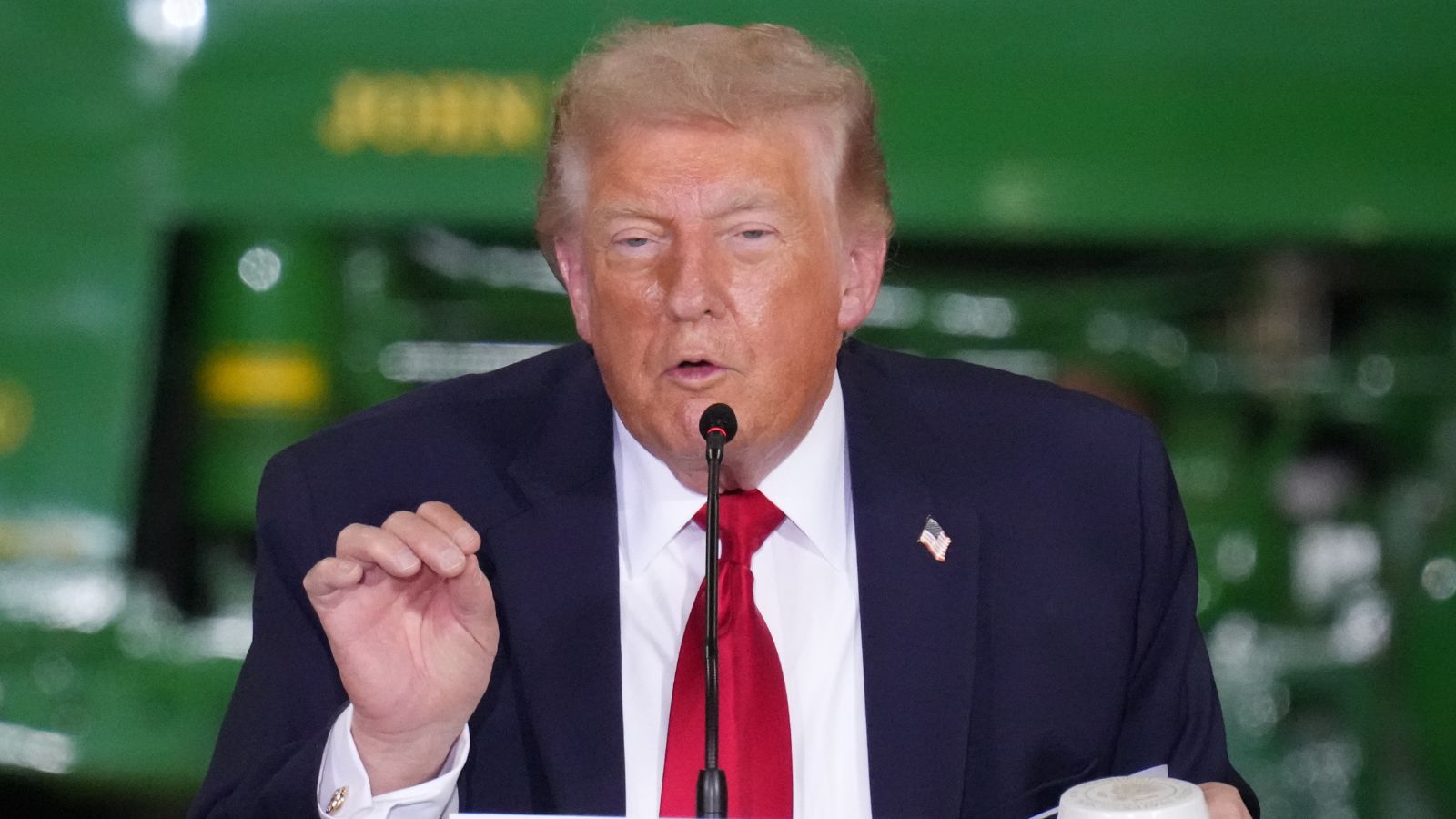
Right in the middle of this chaos, US President Donald Trump logged onto Truth Social and fired off a blunt directive.
"Israel and Iran must immediately stop 'shooting'."
Shortly after, Trump doubled down, claiming both nations are actually looking to lock in an immediate ceasefire and that final peace negotiations are moving fast.
Is this real diplomatic leverage, or is it just wishful thinking broadcasted to the world?
If you're trying to make sense of this sudden escalation, you aren't alone. The situation looks completely out of control, but a closer look at the backroom maneuvering reveals a much different story. Here is exactly what is driving the breakdown, what Trump is doing behind the scenes, and what happens next.
The 24 Hour Breakdown of the Ceasefire
This wasn't a random flare-up. The dominoes started falling on Sunday night when Israel launched heavy airstrikes into Beirut's southern suburbs. Israel insists its campaign against Hezbollah in Lebanon is a totally separate issue from any truce with Tehran. Iran obviously disagrees.
The Islamic Revolutionary Guard Corps called the Beirut strikes a violation of all red lines. Their response was swift. They launched "Operation Nasr," firing waves of ballistic missiles directly at Israeli territory, targeting two major military airbases.
Israel's missile defence shields intercepted the incoming fire. No casualties were reported, but the political damage to the peace process was already done.
Within hours, Israeli Prime Minister Benjamin Netanyahu authorized retaliatory strikes deep inside Iranian territory. Israeli jets targeted radar facilities and hit the Mahshahr petrochemical complex, forcing emergency evacuations of the facility's day-shift staff.
The region went from a shaky truce to a full-scale direct confrontation in less than twelve hours. Yemen's Houthi rebels jumped into the fray too, launching their own ballistic missiles at Israel and announcing a total ban on Israeli shipping throughout the Red Sea. Airspace across Iraq and Syria clicked shut as the regional shockwaves spread.
What Trump is Actually Saying Behind Closed Doors
Publicly, Trump is using his classic, unfiltered social media diplomacy to pressure both sides. Privately, the leverage being applied is far more calculated.
According to US and Israeli officials, Trump spent Sunday on a phone call from his golf club in Bedminster, New Jersey, talking directly to Netanyahu. The conversation lasted less than thirty minutes, but the message was incredibly direct. Trump reportedly told Netanyahu to hold back on a massive military response.
"Israel had its strike and Iran had its strike. We don't need another one," Trump reportedly argued, trying to keep the escalation contained.
Trump wants a historic Middle East peace deal, and he wants it now. He explicitly noted on social media that the US naval blockade of Iranian ports—which was set up after Iran disrupted shipping in the Strait of Hormuz—will stay locked in place until a final agreement is signed.
The strategy is clear. Trump is using the crushing economic weight of the blockade to force Iran's hand, while simultaneously telling Netanyahu not to blow up the negotiations with an open-ended regional war.
Why Iran Blinked First After the Warning
The immediate aftermath of Trump's "stop shooting" demand shows that his words still carry immense weight in Tehran, even if the Iranian regime claims otherwise.
Just hours after the US President's public warning, Iran's Khatam al-Anbiya joint military command announced a sudden halt to its offensive operations against Israel. They claimed they delivered a "painful response" and achieved their goals.
Don't mistake this for a sudden desire for peace. Iran is hurting. The US blockade has crippled their economy, and their regional proxies are taking a massive beating.
Iranian state media is still talking tough. Army chief Amir Hatami warned that any renewed Israeli strikes will trigger an even more crushing response. They are trying to save face domestically while actively looking for an exit ramp. They know they can't afford a prolonged, direct war with Israel that inevitably pulls the United States into the combat zone.
The Deep Divide Between Washington and Jerusalem
The biggest wildcard right now isn't Iran. It's Netanyahu.
While Trump claims a final peace deal is close, Israeli military officials are giving a completely different briefing to reporters on the ground. Before Trump even posted his warning, Israeli military chief Lieutenant General Eyal Zamir stated that the armed forces are fully prepared for prolonged operations lasting several days or "as long as it takes." Hospitals in northern Israel have already started moving patients to underground medical facilities.
Netanyahu faces immense domestic pressure from his right-wing coalition partners to finish the job against Iran's nuclear and military infrastructure. They view Iran's direct missile strikes as a golden opportunity to permanently dismantle Tehran's regional leverage.
This creates a massive strategic disconnect. Trump wants a quick diplomatic victory to secure his foreign policy legacy. Netanyahu wants a fundamental realignment of Middle East security, even if it means ignoring the wishes of the White House.
How to Track What Happens Next
The situation is highly fluid, but you can cut through the media noise by watching three specific pressure points over the next 48 hours.
- Watch the skies over Beirut: If Israel continues high-profile targeted strikes in the Lebanese capital, Iran will be forced to respond again to protect its credibility with Hezbollah. A pause in Beirut means the truce is holding.
- Monitor the Washington diplomatic pipeline: Watch for official statements regarding Iranian negotiators arriving in neutral capitals like Muscat or Geneva. If Trump's claim about "final peace negotiations" is true, we will see diplomatic movement fast.
- Check the shipping lanes: Watch whether the US military steps up enforcement of the port blockades or engages Houthi targets in the Red Sea. Continued Houthi missile launches mean Iran is still using its proxies to test American resolve.
The ceasefire isn't completely dead, but it's on life support. Trump's raw brand of transactional diplomacy just forced a temporary pause in the shooting, but unless both sides can agree on the status of Lebanon and the lifting of economic sanctions, this pause will just be the prelude to an even bigger explosion.