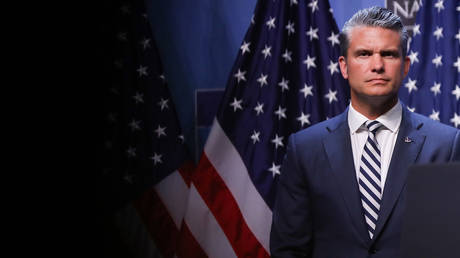
The era of Europe leaning on the American taxpayer for its basic neighborhood watch is ending. It doesn't matter if you love or hate Donald Trump’s abrasive style; his recent move to yank 5,000 troops out of Germany is a loud, clear signal that the old NATO rules are dead. For decades, European leaders have treated the U.S. military presence like a permanent utility—something that just stays on regardless of how much they contribute. Well, the bill just came due.
This isn't just about a clash between Trump and German Chancellor Friedrich Merz over Iranian negotiations or "humiliation." It’s a systemic shift. Washington is tired of being the world's deep pocket while allies offer nothing but critiques from the sidelines. By pulling these troops, the White House isn't just venting frustration; it’s testing whether NATO can actually function as an alliance of equals or if it’s just a U.S. protectorate with a fancy logo.
The myth of the security vacuum
Pundits love to scream about "security vacuums" the moment a single American platoon starts packing their bags. They'll tell you that 5,000 troops leaving Germany is an invitation for Russian aggression. Honestly, that’s an insult to the European Union's own potential. Germany alone has a defense budget that recently surged to over $114 billion. That’s 2.3% of their GDP. If a country with that kind of economic muscle can’t handle a minor reduction in U.S. personnel, then the problem isn't the withdrawal—it's a lack of will.
The reality is that the U.S. still has roughly 30,000 troops in Germany. We’re talking about massive hubs like Ramstein Air Base and the Landstuhl Regional Medical Center. These aren't just "bases"; they're the central nervous system for U.S. operations across Africa and the Middle East. Trump knows he can't shut them down entirely without shooting himself in the foot. But he can, and will, make the "rent" uncomfortable for hosts who refuse to play ball with U.S. strategic interests.
Why Germany is the target
Germany is the low-hanging fruit in this dispute for several reasons:
- The Merz Factor: Chancellor Friedrich Merz hasn't been shy about calling out what he sees as U.S. failures in the Middle East. You can't expect the U.S. to provide a security umbrella while you're publicly mocking the person holding the handle.
- Infrastructure dependence: Germany relies on the economic boost these bases provide. Local towns around Grafenwoehr and Stuttgart live off the spending power of American GIs. Trump is using that economic leverage to force a change in diplomatic tone.
- The Iran War: Europe’s refusal to get its hands dirty in the current conflict with Iran is the real thorn. Washington sees it as a betrayal; Europe sees it as avoiding a quagmire. The troop cuts are the price of that disagreement.
Moving past the NATO dependency trap
For years, NATO has operated on a "wait and see" approach to American politics. They hoped the 2024 election would bring back the old status quo. It didn't. Now, in 2026, the realization is finally sinking in: the U.S. pivot to Asia and the focus on the Middle East isn't a fluke. It's the new reality.
European leaders are finally talking about "strategic autonomy" without it sounding like a pipe dream. You’re seeing Spain and Poland ramp up spending to levels we haven't seen since the Cold War. Spain’s defense burden just crossed the 2% mark for the first time in decades. This is exactly what the U.S. has been demanding since the Obama years, but it took a sledgehammer like a troop withdrawal to actually make it happen.
Don't buy the narrative that this weakens the alliance. If anything, it might save it. An alliance where one member does all the heavy lifting is a fragile one. By forcing Europe to build its own command structures and logistics chains, the U.S. is making NATO more resilient in the long run. If Europe can defend itself, the U.S. can focus on its own priorities without constantly looking over its shoulder at a helpless continent.
What happens when the boots actually leave
The withdrawal is scheduled to take place over the next six to twelve months. It won't be a sudden "darkness falls" moment. Most of these troops will likely be repositioned to places like Poland or Romania—countries that actually want them there and aren't afraid to say so.
If you're a business owner in a German garrison town, you're probably sweating. If you're a defense contractor in Berlin or Paris, you're probably looking at a massive increase in domestic orders. This is a redistribution of responsibility.
The immediate impact
- Logistics strain: The U.S. will have to figure out how to maintain its "reach" into the Middle East with a smaller footprint in its primary European staging ground.
- Political realignment: Expect Germany to seek closer military ties with France to fill the gap, potentially leading to a more "Europeanized" defense force that operates independently of D.C.
- Russian posturing: Moscow will surely run some propaganda laps around this, but they know 5,000 fewer troops doesn't change the nuclear reality or the fact that Europe is now arming itself faster than ever.
The days of treating the U.S. military as a free service are over. It's time for Europe to decide if it wants to be a global player or a museum. If I were a European defense minister, I’d stop complaining about the withdrawal and start figuring out how to build a drone fleet that doesn't need an American satellite to fly.
Start by auditing your own capabilities. Don't wait for the next tweet or official memo from the Pentagon. The trend line is clear: the U.S. is going to keep pulling back until the "allies" start acting like partners instead of dependents. You should be looking at diversifying your security partnerships now, because the 5,000 leaving today are just the beginning.
US withdrawal of troops from Germany signals Trump's displeasure
This video provides essential context on the diplomatic rift between the U.S. and Germany that triggered the current troop reduction.
http://googleusercontent.com/youtube_content/1