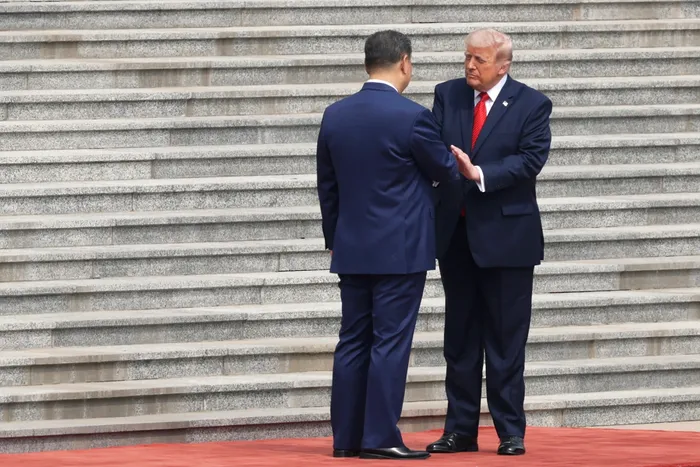
Donald Trump and Xi Jinping just wrapped up their second day of high-stakes talks in Beijing, and the vibe is surprisingly pragmatic. If you were expecting a repeat of the fiery rhetoric from the first trade war, you're looking at the wrong map. This summit wasn't just about soybeans; it was about preventing a global energy meltdown and drawing hard lines on Taiwan that both sides can actually live with.
The real headline isn't the "fantastic trade deals" Trump’s touting on social media. It’s the fact that China—the biggest buyer of Iranian oil—is finally signaling it’s ready to lean on Tehran to reopen the Strait of Hormuz. For a world staring down spiked energy prices and a "crazy" war in the Middle East, that’s the only win that truly matters right now. For an alternative view, check out: this related article.
The Art of the Iran Pivot
For months, the war in Iran has been the elephant in the room that neither Washington nor Beijing could ignore. Trump went into day two with a clear demand: China needs to use its massive economic leverage to get Iran to back down. Honestly, it looks like he might have found a hook.
The White House readout suggests a major shift. Beijing has reportedly agreed that the Strait of Hormuz must remain open. That's not just a polite suggestion. It’s a survival tactic. China buys nearly 90% of Iran’s energy exports, but they’re tired of the volatility. To sweeten the pot, Trump’s offering a massive increase in American oil and LNG sales to China. The goal? Pare back China’s dependence on Middle East supply and replace it with American barrels. Similar coverage regarding this has been published by Reuters.
What the Iran Deal Looks Like
- The Weapon Pledge: Xi reportedly gave a "strong" promise not to send military equipment to Iran.
- Energy Swaps: A massive uptick in Chinese purchases of US oil, beef, and soybeans is on the table to offset the loss of Iranian imports.
- Nuclear Red Line: Both leaders reiterated that a nuclear-armed Iran is a non-starter.
Taiwan and the Thucydides Trap
While the energy talks were all smiles and handshakes, Taiwan remains the jagged edge of the relationship. Xi didn't mince words on Thursday, warning that the two powers could "clash or even conflict" if Taiwan isn't handled "properly." It’s an unusually blunt warning from a leader who usually prefers flowery diplomatic metaphors.
Trump, for his part, seems to be playing a different game than his predecessors. While Secretary of State Marco Rubio maintains the "position is unchanged" line, Trump has shown a willingness to treat Taiwan as a massive piece of leverage. He’s sitting on an $11 billion arms package for the island that’s been approved but not yet delivered. Beijing wants those sales capped or canceled; Trump wants a trade deal that looks like a blowout win for the American farmer.
The subtext here is "calendar management." Xi knows Trump wants a victory before the midterms. Trump knows Xi needs to stabilize a Chinese economy that's still reeling from 145% tariffs. They're both trading the long-term strategic status of Taiwan for short-term economic stability.
Why This Isn't Just Another Trade Truce
We've seen "truces" before. The 2025 Busan summit was a pause, but this Beijing meeting feels like an attempt at a reset. The two leaders spent hours in the secretive Zhongnanhai compound—a rare gesture of intimacy in Chinese diplomacy. They aren't just talking about trade; they're talking about AI guardrails to keep advanced models out of the hands of "non-state actors."
Don't get it twisted, though. This isn't a "friendship." It’s a cold, hard calculation. China’s door of opportunity is opening because they’ve realized they can’t win a raw attrition war with a second-term Trump who has a Supreme Court-backed mandate to rewrite tariff laws.
The Real Winners of Day Two
- Boeing and US Aerospace: Huge aircraft purchase commitments are part of the "purchases" package.
- American Farmers: Soybeans and beef are once again the currency of diplomacy.
- Global Markets: The mere mention of a reopened Strait of Hormuz is enough to cool the fever in oil futures.
Stop Reading the Tealeaves and Watch the Tonnage
The biggest mistake people make is focusing on the "spirit" of the talks. Don't worry about whether they liked each other’s ties. Watch the shipping manifests. If we see a surge in US oil tankers heading to Chinese ports and a sudden "diplomatic" breakthrough in the Persian Gulf, you'll know the deal is real.
If you’re a business owner or an investor, the next step isn't to wait for a formal treaty. Start pricing in a period of "managed competition." The trade war isn't over, but it’s moving from a chaotic brawl to a regulated boxing match. Keep an eye on the $11 billion Taiwan arms package—if those deliveries start "slipping" in the schedule, you'll know exactly what Trump traded to get those purchase numbers up.