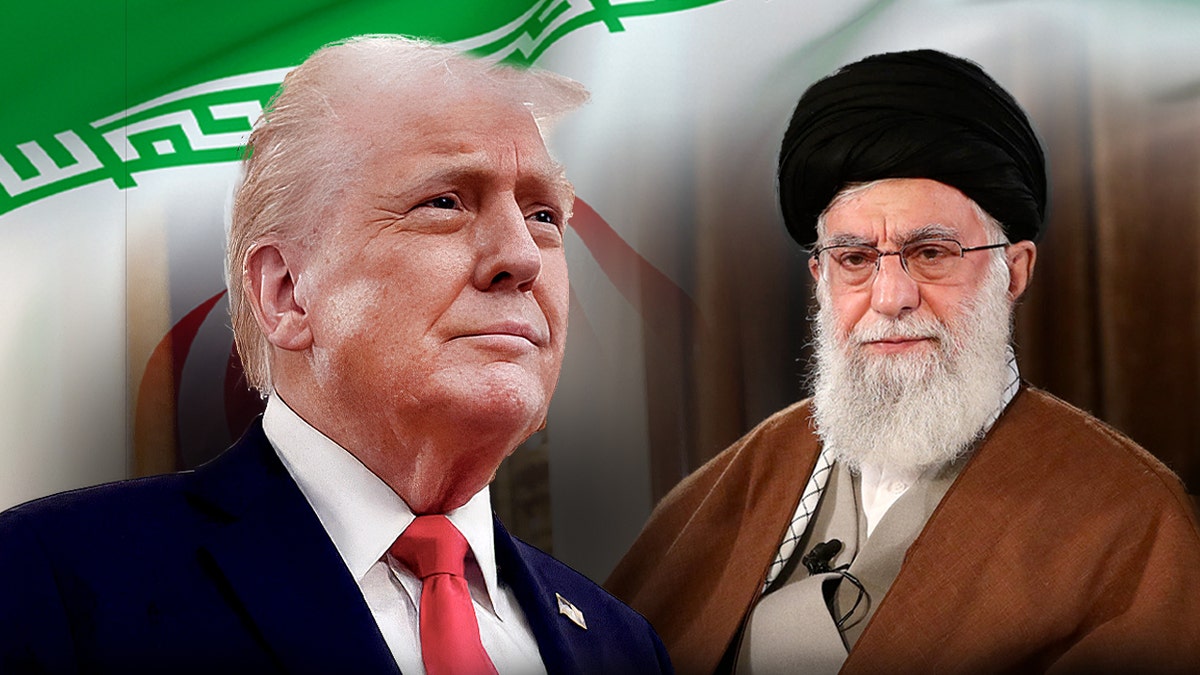
Donald Trump just drew a line in the sand that’s going to make the next two weeks the most intense period of diplomacy we’ve seen in decades. He’s claiming there will be "no enrichment" of uranium in Iran. Period. It’s a bold claim, especially since Tehran is out there telling anyone who’ll listen that the U.S. has already agreed to let them keep their centrifuges spinning.
You’ve got two completely different stories coming out of the same ceasefire deal. Trump’s on Truth Social talking about "digging up nuclear dust" with a "new regime," while the Iranians are claiming victory and saying they’ll keep control of the Strait of Hormuz. Someone’s lying, or at least being very creative with the truth. But if you look at the leverage on the table, Trump’s hardline stance isn't just bluster—it's the only way he can actually end this war without looking like he got played.
The 15 Point Plan vs the 10 Point Reality
The White House is pushing a 15-point plan. Iran fired back with a 10-point proposal. Trump called the Iranian plan "workable," but don't let that fool you into thinking he’s gone soft. The sticking point is the uranium.
Iran’s Supreme National Security Council explicitly stated that any deal must include "acceptance of enrichment." They want the world to recognize their right to the nuclear cycle. Trump’s response? He’s basically saying that the Isfahan and Natanz facilities are history. He’s talking about using the Space Force for "exacting satellite surveillance" to make sure not a single gram of material is moved before the U.S. gets in there to haul it away.
- The U.S. Position: Zero enrichment, removal of all stockpiles, and 50% tariffs on anyone who sells weapons to Iran.
- The Iranian Position: Continued enrichment, control of the Strait of Hormuz, and an immediate end to all sanctions.
It's a massive gap. Honestly, calling it a "workable basis" is the ultimate sales tactic. It gets both sides to the table in Islamabad this Friday, but the actual "work" is going to be a nightmare.
Digging Up the Nuclear Dust
Trump mentioned something specific that most people missed: he wants to "dig up and remove all of the deeply buried (B-2 Bombers) Nuclear Dust." This refers back to the June 2025 strikes. We’re not just talking about stopping future work; we’re talking about a forensic cleanup of what’s already there.
The President is betting on what he calls a "productive Regime Change" in Tehran. While the UK and other allies are being cautious about that phrasing—the British Prime Minister literally said he doesn't believe in "regime change from the skies"—the Trump administration is acting like they’re dealing with a defeated nation. Defense Secretary Pete Hegseth isn't holding back either. He’s basically telling Iran: "Give us the uranium voluntarily, or we’ll come get it like we did in Midnight Hammer."
That kind of talk doesn't usually lead to "peaceful" negotiations, but it does create a very clear ultimatum. You give up the nukes, you get the sanctions lifted and the tariffs dropped. You don't, and the B-2s come back.
The Strait of Hormuz Gamble
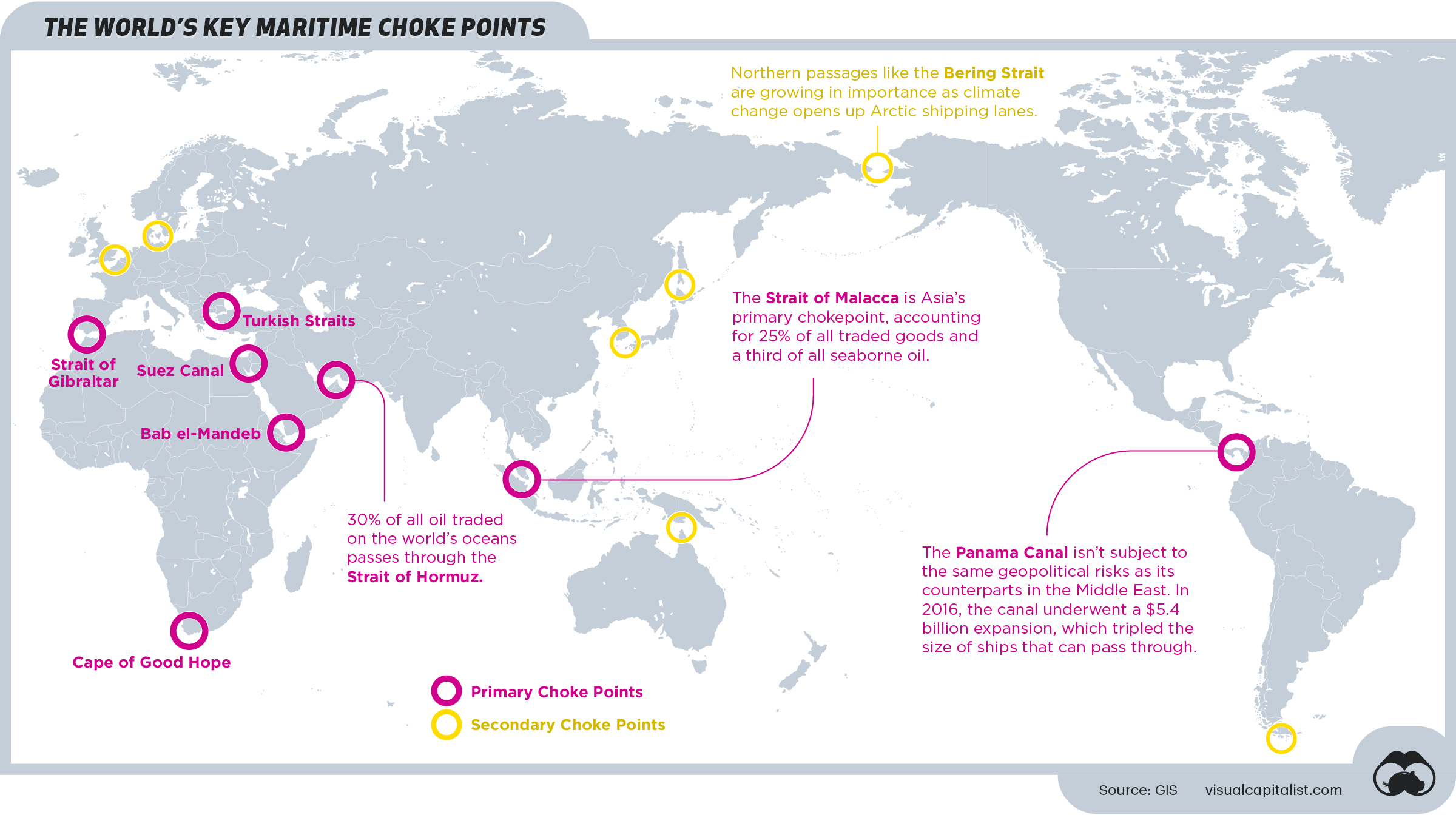
Let’s talk about the money. The Strait of Hormuz is the world's biggest oil chokepoint. Iran wants to charge "tolls" for ships passing through. Trump, in his classic style, called the idea of a joint U.S.-Iran venture to secure the strait "a beautiful thing."
It sounds crazy, right? The U.S. and Iran running a toll booth together? But for Trump, it’s all about the deal. If he can turn a military conflict into a business arrangement where the U.S. has a hand on the lever, he wins. He’s already threatened a 50% tariff on any country—looking at you, China and Russia—that sends weapons to Tehran. He’s using the U.S. economy as a weapon just as much as the Air Force.
Why This 14 Day Window is Different
This isn't just another "pause" in the fighting. This is a 14-day clock. Vice President JD Vance called it a "fragile truce," and he’s right. If Friday’s talks in Islamabad don't show immediate progress on the "no enrichment" demand, the ceasefire won't last until next weekend.
People are overthinking the rhetoric. They think Trump is being inconsistent because he’s praising a "workable" plan while demanding total surrender on the nuclear front. He’s not. He’s setting the stage. By saying there’s "no enrichment," he’s telling his base and the hawks in D.C. that he hasn't compromised. By calling the Iranian plan "workable," he’s giving the leadership in Tehran a face-saving way to show up at the meeting.
What happens if it fails?
- Resumption of Air Strikes: Targeting energy infrastructure and remaining military sites.
- Global Economic Shock: If the Strait stays closed or contested, oil prices will go parabolic.
- Maximum Pressure 2.0: The 50% tariffs on weapons suppliers will go into effect immediately.
Don't expect a middle ground on the uranium. Trump has spent years railing against the original JCPOA because it allowed Iran to keep a "pathway" to a bomb. He’s not going to sign a deal in 2026 that does the same thing after he’s already spent the military capital to bomb those sites.
If you’re watching the markets or the news, keep your eye on one thing: whether Iran actually admits the B-2 strikes "finished" their program. If they concede that the material is "dust" and can be removed, the war is over. If they insist on keeping the centrifuges, we’re back to the "civilization will die" rhetoric by next Tuesday.
Check the official Truth Social updates for the exact wording of the 15 points as they leak out. The Islamabad talks start Friday—that's when the real cards hit the table.