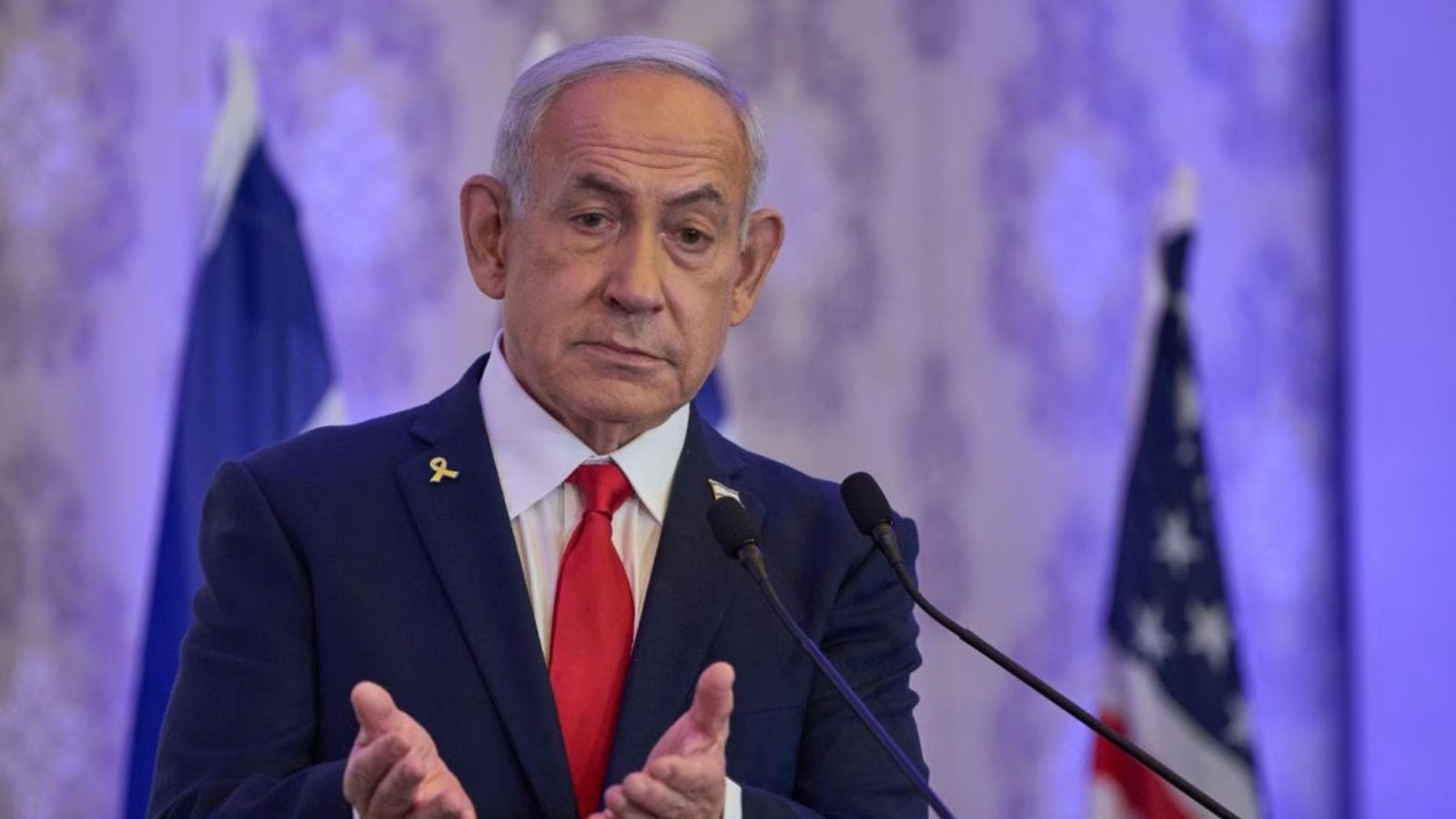
Donald Trump just declared victory over the airwaves, telling the world's shipping lines to "start your engines" as the U.S. and Iran reached a dramatic memorandum of understanding to end their four-month-old war. The Strait of Hormuz is reopening, oil prices are tumbling, and Washington is eager to pack up and go home. But in Jerusalem, the mood isn't celebratory. It's frantic.
Israeli Prime Minister Benjamin Netanyahu is staring down what looks like a massive strategic miscalculation. For months, Netanyahu pinned Israel's security strategy on a shared military campaign with the Trump administration to finally crush Iran's nuclear ambitions and shatter its proxy network. Instead, Trump did what Trump often does: he cut a quick deal to exit a costly conflict, leaving Israel to navigate the fallout alone.
This isn't just a minor diplomatic disagreement. It's a fundamental rift between two leaders who supposedly shared a seamless vision for the Middle East. Netanyahu is furious about the deal, and the reasons go far deeper than simple political posturing. Here is why the Israeli prime minister is pushing back against Washington's sudden peace.
1. The Nuclear Infrastructure Remains Standing
Netanyahu’s primary goal for this conflict was absolute. He wanted the complete, irreversible destruction of Iran's nuclear program. When the war kicked off following the maximum pressure campaign, Israel assumed American airpower would permanently dismantle Tehran's underground centrifuges.
It didn't happen. The initial 1.5-page memorandum of understanding signed in Switzerland sets up a 60-day window for further talks. While it pauses military operations, it leaves Iran’s core nuclear facilities intact. According to early leaks from the negotiations, the U.S. is pushing for a 20-year freeze on uranium enrichment, while Iran is holding firm at 10 years. For Netanyahu, any deal that allows the infrastructure to survive is a failure. He remembers all too well the loopholes of the original 2015 nuclear pact. Leaving the framework of the Iranian nuclear program operational means Tehran can simply wait out the clock.
2. Billions in Frozen Assets Will Flow Back to Tehran
Peace isn't free, and Trump’s deal requires the U.S. to lift its naval blockade and allow the phased release of frozen Iranian financial assets. Critics within Israel, including Netanyahu’s political rivals like former general Yair Golan, are already sounding the alarm that this agreement will funnel billions of dollars straight back to the Ayatollahs.
From Israel's perspective, giving cash to a regime that just spent months trading missile strikes with Washington is madness. Netanyahu knows that a wealthy Tehran is a dangerous Tehran. That money won't just fund domestic recovery; it will inevitably find its way into the ledger books of regional militant groups.
3. The Quagmire in Lebanon Just Got Worse
The biggest immediate headache for the Israel Defense Forces isn't in Iran; it's right across the northern border. Israel invaded southern Lebanon to push back Hezbollah and protect its northern towns. Iran insisted that any peace deal with the U.S. must include a total cessation of Israeli hostilities in Lebanon.
This puts Netanyahu in an impossible position. Trump wants the fighting stopped globally so his deal looks clean. He even blasted Netanyahu as "crazy" in a tense phone call after Israeli airstrikes hit Beirut, warning that the operation was sabotaging the peace talks.
If Netanyahu listens to Trump and pulls back, Hezbollah claims victory just by surviving, and thousands of displaced Israelis won't feel safe returning to their homes in the north. If he ignores Trump and keeps fighting, he destroys his relationship with his most important global patron. Defense Minister Israel Katz has already vowed to keep troops in Lebanon, setting up a direct collision course with the White House.
4. Iran’s Missile Arsenal Is Left Untouched
During the war's opening salvos, Iran proved its ballistic missile and drone capabilities could disrupt global shipping and strike regional targets. Yet, the preliminary agreement focuses heavily on reopening the Strait of Hormuz and securing commercial transit. It doesn't force Iran to dismantle its missile factories.
Israeli intelligence officials are terrified that the deal leaves the structural threat of Iran's long-range arsenal completely unchanged. A temporary ceasefire gives Tehran room to breathe, repair its air defenses, and mass-produce more sophisticated precision-guided munitions without the fear of immediate American bombardment.
5. Netanyahu Faces Deepening Political Isolation at Home
The timing of this peace deal couldn't be worse for Netanyahu. Israel is heading into a high-stakes election season this fall, and his opponents are already using Trump's exit strategy to hammer the prime minister's record.
Ehud Barak and Yair Lapid have wasted no time calling the deal a historic failure of Israeli foreign policy. The narrative is deeply damaging: Netanyahu allegedly led Israel into a major confrontation under the promise that the U.S. would finish the job, only to get outmaneuvered when Trump decided to cut his losses. Netanyahu's right-wing coalition partners are demanding he ignore Washington and double down on the military campaign, while the center-left warns he has isolated Israel from its closest ally. He is trapped between a furious domestic base and a restless American president.
What Happens Now
Netanyahu has already made his opening move, declaring that "with an agreement, without an agreement," Israel will do whatever it takes to prevent a nuclear Iran. But talking tough on television is very different from managing a broken alliance.
If you want to understand where this crisis goes next, keep your eyes on two specific indicators over the next few weeks:
- The 60-Day Negotiation Window: Watch how the U.S. handles inspections during the upcoming talks in Geneva. If Washington signals it will accept a shorter 10-year enrichment freeze to lock in the peace, expect Israel to drastically escalate its unilateral covert operations inside Iran.
- The Beirut Strike Line: Pay close attention to the IDF's target selection in Lebanon. Continued heavy strikes in the heart of Beirut will tell you that Netanyahu has decided to prioritize his domestic survival over Trump's diplomatic timeline, effectively daring the White House to cut off intelligence sharing or military aid.