The financial press is currently hyperventilating over a July 4 ultimatum that doesn't actually exist in the way they think it does. You’ve seen the headlines. Trump threatens the EU. Turnberry deal or bust. Global trade war 2.0. It’s a neat, terrifying narrative that feeds the 24-hour news cycle, but it misses the mechanical reality of how currency markets and trade blocs actually breathe.
Mainstream analysts are treating this "Turnberry deal" as a binary switch: either the EU bows and the markets stabilize, or they resist and the Euro collapses under the weight of a tariff hike. This is a fundamental misunderstanding of leverage. In the high-stakes theater of trade negotiations, a deadline is rarely a guillotine. It’s a benchmark for price discovery. If you’re trading the Euro based on the fear of a July 4 "doomsday," you aren't just late to the party—you’re reading the wrong map.
The Myth of the Fragile Euro
The "lazy consensus" suggests that the Euro is a glass vase waiting to be shattered by American protectionism. This view ignores the structural reality of the Eurozone’s current trade surplus. For years, the EU—led by the German manufacturing engine—has effectively exported its way out of internal stagnation. When a US administration threatens tariffs, the knee-jerk reaction is to sell the EUR/USD pair.
I have sat in rooms where traders dumped millions because of a tweet, only to buy it back at a premium three days later when they realized the math didn't add up. Tariffs are a double-edged sword that often cuts the wielder first. If the US imposes massive hikes on European imports, the immediate result is an inflationary spike in domestic US prices. The Fed, already struggling to balance employment with price stability, would be forced to keep rates higher for longer. This doesn't just "punish" the EU; it strangles the US consumer.
The Turnberry deal, as framed by the current rhetoric, isn't about "fixing" trade. It’s about optics. The EU knows this. Brussels has spent decades mastering the art of "bureaucratic slowing." They don't fight; they delay, they complicate, and they litigate. By the time July 4 rolls around, the "ultimatum" will likely have been absorbed into a dozen sub-committees.
Understanding the Mechanics of Trade Gravity
To understand why the "deadline" is a distraction, you have to look at the Gravity Model of International Trade. This isn't some theoretical abstraction; it’s the physical law of the global economy. Trade happens between large economies that are close to each other. The US and the EU are locked in an embrace that neither can afford to break.
$T_{ij} = G \frac{M_i M_j}{D_{ij}}$
In this equation, $T$ represents the trade flow between two countries, $M$ represents their respective economic masses (GDP), and $D$ represents the distance between them. The "mass" of the US and EU relationship is so massive that even a significant increase in friction—like a tariff—cannot easily redirect those flows to other markets.
When Trump demands a "deal" by Independence Day, he is fighting against the physics of the global supply chain. You cannot simply flip a switch and replace German precision engineering or French aerospace components with domestic alternatives in ninety days. The "Turnberry deal" is an attempt to rewrite the laws of trade gravity with a Sharpie. It makes for great television, but it makes for terrible economic policy.
The Misconception of "Fair Trade"
The competitor article screams about "fairness" and "reciprocity." This is a classic trap. In macroeconomics, "fair" is a useless term. Trade isn't about being nice; it’s about comparative advantage. If the EU can produce luxury automobiles or specialized chemicals more efficiently than the US, a tariff is simply a tax on the American consumer's preference.
I’ve seen portfolios wiped out by investors who believed that political "strength" equates to currency strength. It’s the opposite. A country that isolates itself through aggressive protectionism often sees its currency devalued over the long term as it loses its competitive edge. If the US pushes too hard, the EU won't just fold; they will accelerate their pivot toward Eastern markets and internal integration.
The "Turnberry ultimatum" actually provides the European Central Bank (ECB) with a perfect excuse to maintain a more flexible monetary policy. If the threat of tariffs slows down European exports, the ECB can justify keeping interest rates lower than the Fed, which paradoxically can make European exports more competitive despite the tariffs. It’s a self-correcting loop that the "hardline" pundits completely ignore.
Why July 4 is a Psychological Floor, Not a Ceiling
Markets hate uncertainty, but they love a deadline they can price in. By setting a hard date of July 4, the administration has given the market a target to "sell the rumor." This means by the time we actually reach July, the "shock" of the tariff hike will likely already be baked into the exchange rate.
Imagine a scenario where the July 4 deadline passes with only a minor, symbolic gesture from the EU. The resulting "relief rally" in the Euro would be violent. The contrarian play isn't to fear the deadline; it’s to recognize that the deadline itself is the peak of the tension. Once the date passes, the uncertainty dissolves, regardless of the outcome.
The Three Pillars of the Turnberry Illusion:
- The Manufacturing Delay: Even if tariffs are signed on July 5, it takes months for those costs to filter through the supply chain. Contracts are signed years in advance.
- The Substitution Fallacy: The belief that American companies can instantly replace European suppliers is a fantasy. Complexity in modern manufacturing means "switching costs" are often higher than the tariff itself.
- The Political Posture: Both sides are playing to their home crowds. Trump needs to look like a fighter; Brussels needs to look like the adult in the room. Neither side actually wants a total collapse of the $1.3 trillion transatlantic trade relationship.
Stop Asking "Will There Be Tariffs?"
You’re asking the wrong question. The question isn't whether the tariffs happen—it's how long they can possibly stay in place before the domestic backlash in the US becomes politically untenable. When American farmers can't export their crops because of retaliatory European duties, or when the cost of a new car jumps by $5,000, the "tough on trade" stance loses its luster very quickly.
The "lazy consensus" at Forex Factory and similar outlets focuses on the immediate "hit" to the charts. They look at the 15-minute candles and see a disaster. But if you look at the 10-year yield or the structural trade balances, you see a different story. The US needs European capital as much as Europe needs the US consumer.
The Actionable Reality
If you are a business owner or an investor, ignore the noise about July 4.
- Hedge for Volatility, Not Direction: The Euro isn't going to zero. It’s going to bounce around like a pinball.
- Audit Your Supply Chain: If you are genuinely reliant on specific EU components, look at the "Rules of Origin." Often, minor assembly changes in a third-party country can bypass these bilateral tariff hikes entirely.
- Watch the Bonds, Not the Tweets: The bond market is significantly smarter than the political pundits. If the spread between German Bunds and US Treasuries doesn't widen significantly, the "trade war" is just a skirmish.
The Turnberry deal is a masterclass in political theater, designed to create a sense of urgency where there is actually a deep, systemic stalemate. The July 4 deadline is a symbolic firework, meant to distract from the fact that in a globalized economy, you can't fire a trade cannon without the recoil hitting your own shoulder.
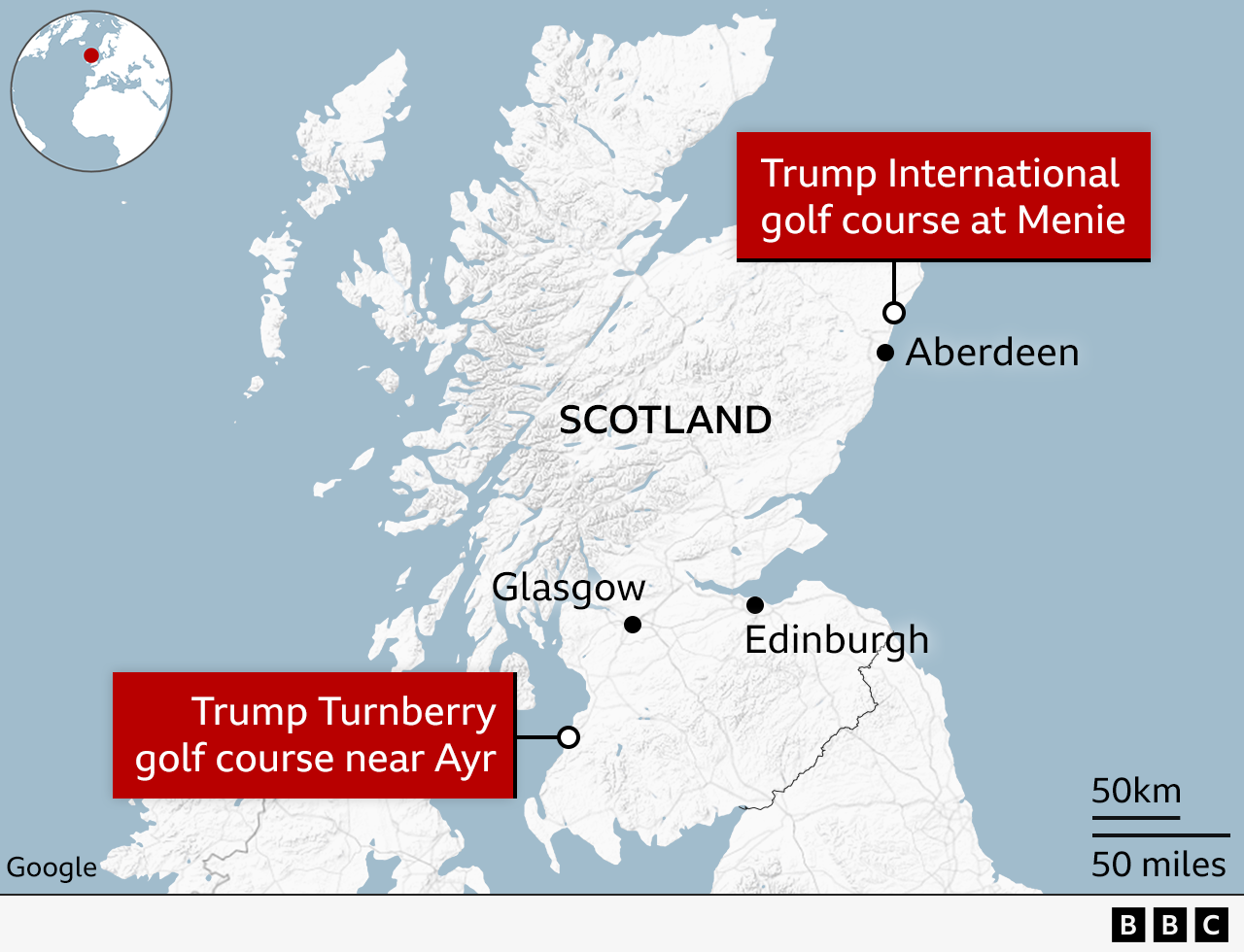
The Euro isn't under threat from a July deadline. It’s under threat from people who believe a press release has more power than a balance sheet. The real movement happens in the quiet corridors of central banks and in the boring logistics of container ships, not on the golf courses of Scotland. Stop waiting for the explosion and start watching the fuse; it’s much longer than they're telling you.
The "threat" is the product. The "deal" is the garnish. The reality is business as usual, just more expensive for the people who believe the headlines.