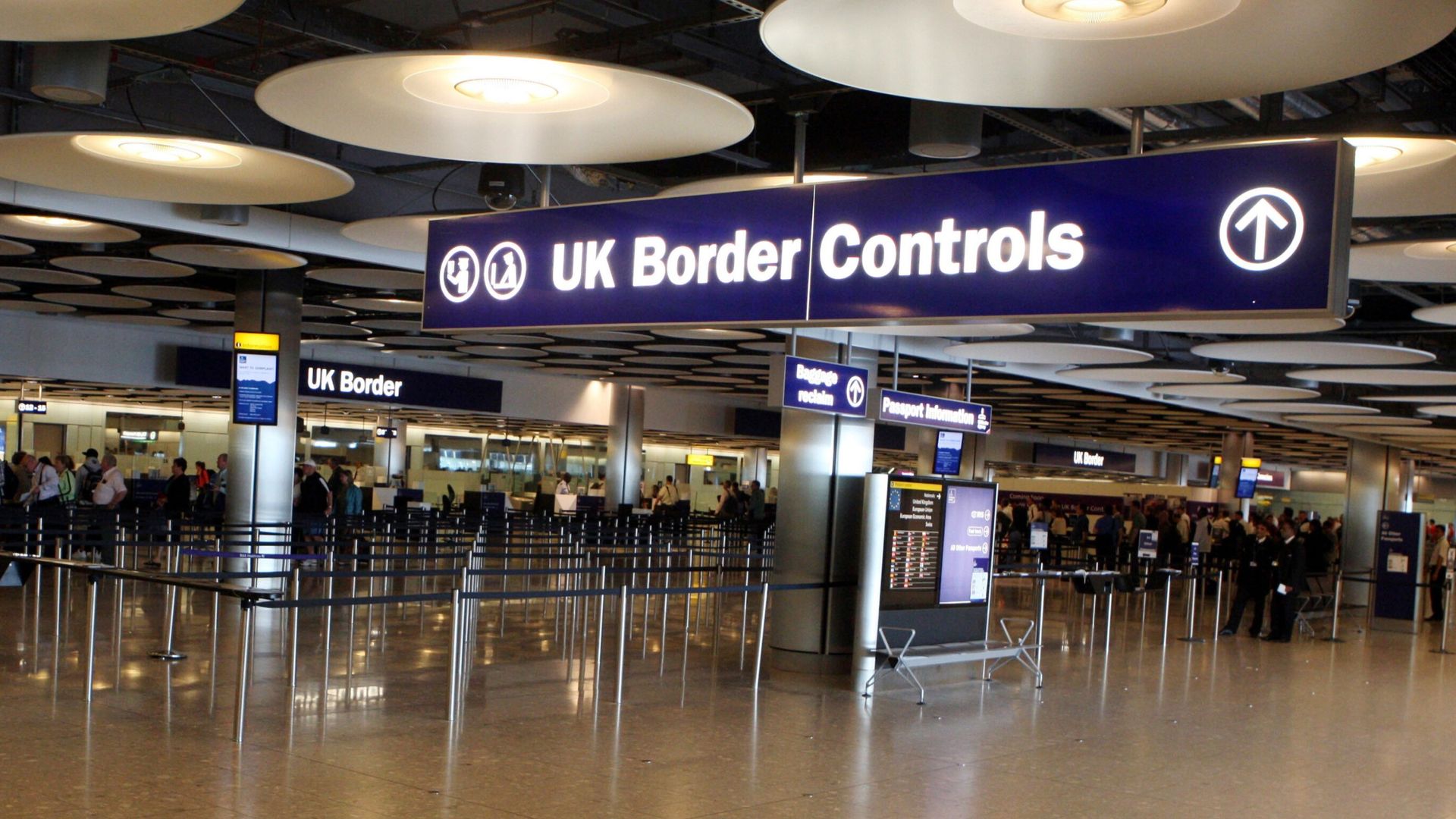
Standing in a Heathrow immigration queue with a tired child is a special kind of hell. You've just survived an eight-hour flight, your legs are cramping, and the line for the manual desks looks like a slow-motion migration. But the rules changed, and they changed for the better. Children as young as eight are now allowed to use e-gates at UK airports. It’s a shift that moves beyond just convenience. It’s about operational sanity.
The Home Office dropped the age limit from 12 to eight across major hubs like Gatwick, Manchester, and Stansted. This isn't just a minor tweak to the rulebook. It's a massive win for families who used to be funneled into the "manual" lane, watching solo travelers breeze through the automated barriers in seconds. If you've got an eight-year-old, you're no longer a second-class citizen in the arrivals hall.
The logic behind the eight year old limit
Why eight? It isn't a random number pulled out of a hat. The technology relies on facial recognition. Younger kids' faces change too rapidly for the current algorithms to maintain a high enough "confidence score" without constant manual overrides. At eight, the bone structure of the face starts to stabilize enough for the scanners to do their job reliably.
I've seen these gates fail when a kid is just slightly too short or won't stop fidgeting. The government tested this at Heathrow, Gatwick, and Stansted before rolling it out nationally. They found that eight-year-olds could follow the instructions—stand on the footprints, look at the camera, glasses off—without causing a total system meltdown.
How to actually use the gates without getting stuck
Don't just shove your kid toward the barrier and hope for the best. The e-gates are moody. Even as an adult, if you're wearing a hat or a bulky scarf, the system might reject you. For a child, the stakes are higher because if they fail, you’re both headed to the back of the "seek assistance" line.
First, make sure they know the drill. They need to remove their passport from any fancy leather cover. Those covers are a nightmare for the scanners. They need to stand still. This sounds easy, but after a long-haul flight, a tired child is basically a vibrating noodle.
You must be with them. You can't send them through a separate gate while you use another one. The rules stay strict on this point. A family stays together. You go through your gate, they go through the one right next to you, and the Border Force officers watch the whole thing from their monitors to ensure nobody is being "smuggled" or coerced.
Where you can find these gates
Not every tiny airstrip has this tech. You're looking at the big players. Heathrow, Gatwick, Stansted, London City, Luton, Birmingham, Bristol, Cardiff, East Midlands, Edinburgh, Glasgow, Manchester, and Newcastle.
It also applies to the Eurostar terminals at Brussels and Paris. If you're coming back from a weekend at Disney, this is a lifesaver. The Gare du Nord shuffle is significantly less painful when your eight-year-old can scan their own way through.
Eligible nationalities
Just because your kid is eight doesn't mean they're automatically in. They need a biometric passport. Most modern passports are biometric, but check for that little gold camera icon on the bottom of the front cover.
The gates are open to citizens of the UK, EU, USA, Australia, Canada, Japan, New Zealand, Singapore, South Korea, and Switzerland. If you're from outside these "low-risk" countries, you're still doing it the old-fashioned way. It's a blunt tool for border security, but it's the one we have.
Common mistakes families make at the border
The biggest mistake is the "help." Parents often try to lean over the barrier to help their child scan the passport. Don't do that. The sensors will detect two bodies and lock the gate immediately. It’s a security feature to prevent tailgating.
Another one? Height. If your eight-year-old is particularly short for their age, they might struggle. The cameras move, but they have limits. If they can't see the child's face clearly because the chin doesn't clear the top of the passport reader unit, the gate won't open. In that case, don't argue with the machine. Just look for the officer standing nearby.
Why this actually matters for airport flow
Think about the math. Millions of passengers move through UK borders every month. By allowing eight to ten-year-olds into the automated lanes, thousands of families are removed from the manual queues. This speeds things up for everyone—even the people who don't have kids.
Border Force is constantly under fire for long wait times. Automation is their only real way out. The more people they can process through machines, the more they can focus their actual human staff on high-risk cases or complex visa checks. It’s about efficiency, not just being nice to parents.
Practical steps for your next landing
Check your child’s passport now. If it’s damaged or the chip is wonky, the e-gate will reject it. A cracked plastic page or a fraying edge is enough to trigger a "seek assistance" light.
When you land, don't rush. Let the crowd of frantic business travelers sprint ahead. Head for the e-gate signs. Remind your child one last time: feet on the marks, passport flat, look at the screen. If the light turns green, you’ve just saved yourself forty minutes of standing on a dusty carpet in a hallway that smells like jet fuel. If it turns red, stay calm. An officer will wave you over. They aren't there to grill you; they're just there to verify what the machine couldn't.
Make sure your child knows not to look at their phone while in the gate area. Border Force is notoriously grumpy about phones. Put the devices away until you’re through the baggage claim. It makes the whole process smoother and keeps the officers off your back.