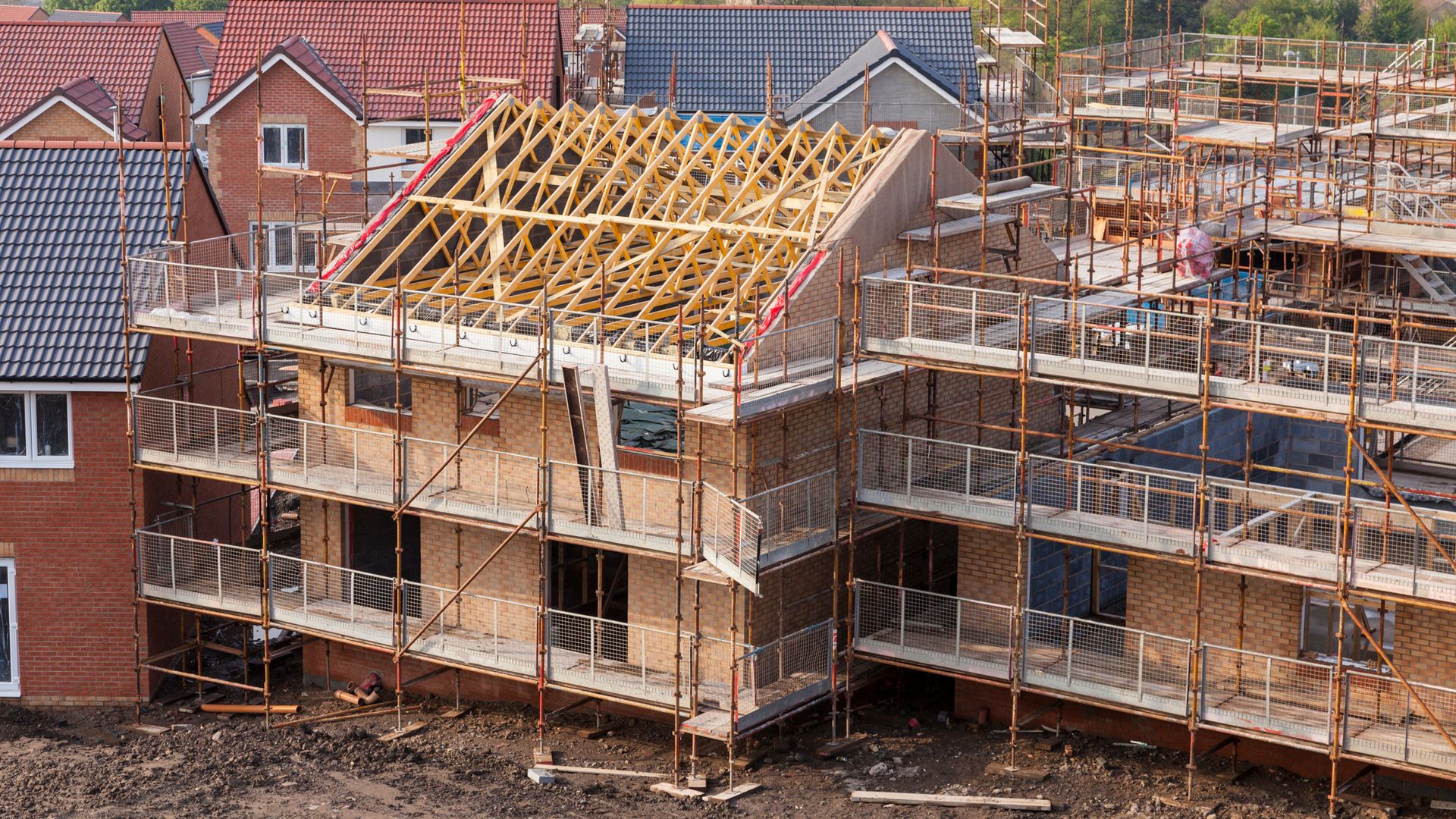
Britain is running out of houses, and the traditional political fixes aren't working anymore. Let's look at the actual numbers because they're terrifying.
Right now, the UK faces an estimated housing shortfall of 6.5 million homes. To fix this massive gap by 2040, builders need to deliver roughly 565,000 new homes every single year. Instead, current industry projections show the country will struggle to hit just 305,000 annual completions by 2029. We aren't just missing the target; we are failing by a margin of a quarter-million homes annually.
This isn't a future dilemma for policy wonks to debate in a decade. It's happening right now. The newly launched national campaign, "Let's Get Britain Building - NOW!", backed by major industry heavyweights like builders' merchants chain Jewson, explicitly labels this situation as a present-day emergency. While politicians promise grand post-war level council housebuilding programs, the businesses tasked with putting bricks together are collapsing under our feet.
The Quiet Collapse of British Construction
While the government talks about building big, the actual supply chain is breaking down. In the twelve months leading up to February 2026, nearly 4,000 construction firms in the UK went insolvent. This staggering wave of bankruptcies makes construction the absolute worst-affected sector for business failures across the entire British economy.
You can't build half a million homes a year when your builders are filing for bankruptcy every day.
The root causes of this systemic failure come down to three crushing pressures:
- Materials inflation: The price of standard building supplies has skyrocketed by roughly 40% since 2020. Bricks, timber, and insulation cost drastically more, and those prices show no signs of dropping.
- The down-valuation trap: Buyers are struggling to secure mortgages because lenders frequently value completed properties lower than the actual cost it takes to build them. This leaves a massive funding gap that stalls transactions.
- A broken planning system: Navigating the local government approvals process remains slow, incredibly expensive, and entirely unpredictable.
The Ministry of Housing, Communities and Local Government points to its new planning reforms and its £39 billion social and affordable housing investment as proof of action. But if you talk to small and mid-sized regional builders, they'll tell you that money isn't hitting the ground fast enough to save them.
Three Policy Fixes Needed on Day One
The industry isn't asking for vague public relations campaigns or committee meetings. To stop the bleed and actually get spades in the ground, the construction sector is demanding immediate, structural policy shifts from the Treasury and local authorities.
1. Wipe Out VAT on Building Materials and Retrofits
Right now, building a brand-new house or executing a massive energy-efficiency retrofit carries a heavy tax burden. Removing VAT entirely from building materials and domestic refurbishments would instantly shave thousands of pounds off the capital required to finish a project. It gives struggling independent builders immediate breathing room to survive material cost spikes.
2. Revive Entry-Level Buyer Incentives
The market for first-time buyers has completely dried up, which chokes the entire housing chain. The government needs to step in with aggressive market-entry support. This means slashing strict deposit requirements for young families, expanding state-backed mortgage access, and offering targeted stamp duty relief to kickstart demand for new builds.
3. Implement Temporary Elastic Planning Standards
We've seen tiny glimpses of emergency planning changes, like the recent London Plan Guidance updates which introduced a time-limited planning route allowing certain private land developments with 20% affordable housing to bypass upfront viability assessments. This needs to go nationwide. Local councils must be legally blocked from using hyper-specific design guidelines—like rigid cycle parking quotas or dual-aspect window rules—to kill otherwise viable, high-density residential developments.
Real Actions for Independent Developers
If you run a development firm or work in project management, you can't sit around waiting for the government to fix its regulatory mess. Survival in 2026 requires shifting your operational strategy to protect your cash flow.
First, stop betting on massive, multi-phase greenfield projects that require years of local council battles. Shift your focus toward smaller, high-density infill sites within established urban boundaries. These projects frequently align with regional political goals—like regional efforts to build up town centers—making them far less likely to get bogged down in years of NIMBY pushback.
Second, aggressively audit your material supply chains. With material costs up 40%, relying on standard spot pricing from single distributors is financial suicide. Lock in fixed-rate rolling supply contracts or look into alternative, prefabricated component options that lower on-site labor times.
Finally, build direct relationships with local registered social housing providers. Partnering early to guarantee a portion of your site goes to affordable or social rent can unlock faster fast-track planning routes, lower your local Community Infrastructure Levy liabilities, and guarantee a baseline of revenue before you even pour the first concrete slab.