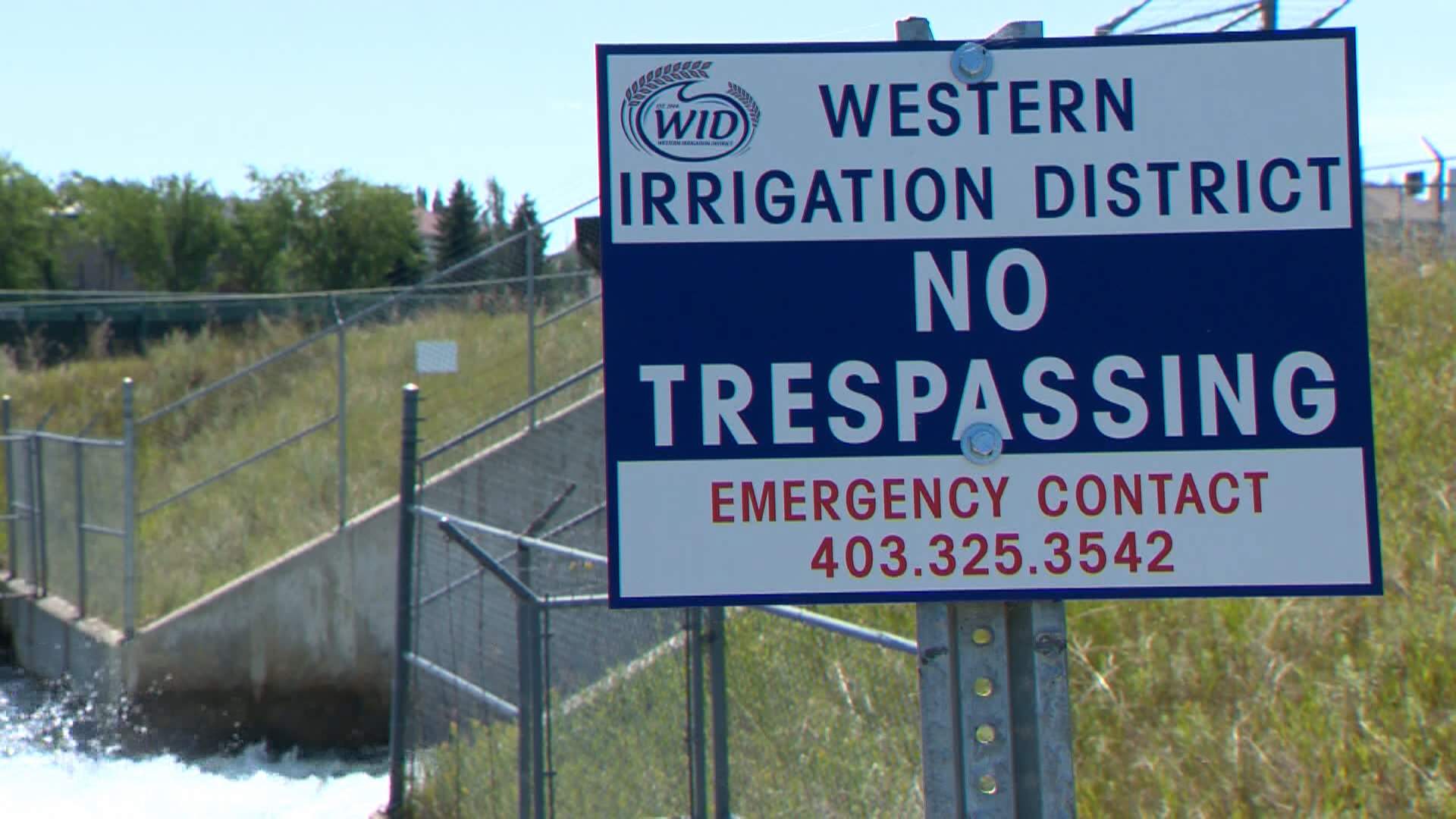
Municipal water security relies on the assumption of continuous, uncompromised intake feeds. When an upstream hydrocarbon release forces the emergency cessation of waterflow into a regional reservoir like Chestermere Lake, it exposes a critical systemic fragility in linear infrastructure networks. This analysis deconstructs the operational mechanics, risk exposure matrices, and mitigation protocols required when industrial transport failures intersect with municipal water supply systems.
The Threat Vector and Hydrodynamic Transport
The primary risk profile of an upstream petroleum release involves the physical transport of organic compounds through moving water columns. Hydrocarbons do not simply dissolve uniformly; they fractionate based on density, volatility, and molecular weight. Light ends evaporate rapidly, while heavier fractions emulsify or adsorb to suspended sediment, traveling downstream as a persistent plume.
[Upstream Release Point] --> [Advection & Dispersion] --> [Sediment Adsorption] --> [Municipal Intake Barrier]
When monitoring systems detect elevated contaminant concentrations at the source or along transit routes, municipal operators face an immediate optimization problem. Allowing contaminated water into the treatment infrastructure risks irreversible fouling of filtration media, biological treatment beds, and distribution pipelines. Consequently, shutting off the intake valve is the only viable containment strategy to protect public health and asset integrity.
Operational Costs and Systemic Bottlenecks
A sudden cessation of inflow triggers a multi-tier economic and logistical impact. Reservoirs and holding basins operate on calculated residence times and safe yield thresholds. When inflow drops to zero while baseline consumption continues, storage depletion accelerates non-linearly.
The Storage Depletion Curve
Municipal reserves are finite. Without active replenishment, drawdowns threaten fire suppression capabilities, industrial cooling loops, and residential supply pressure. The rate of depletion is governed by the volume-to-drawdown ratio:
$$V_{remaining} = V_{initial} - \int_{0}^{t} (Q_{demand} - Q_{inflow}) dt$$
Where $Q_{inflow}$ drops to zero, the entire burden of supply falls on static storage capacity ($V_{initial}$), transforming a dynamic distribution network into a static countdown timer.
Infrastructure Inertia
Restarting a major water transfer channel after an emergency shutdown cannot occur instantaneously. The restart protocol demands a sequential verification framework:
- Upstream plume tracking via continuous gas chromatography and mass spectrometry.
- Physical inspection of intake gates, pumps, and telemetry.
- Flushing and baseline water quality testing across diversion canals before reopening municipal intake valves.
Risk Mitigation Architecture for Municipal Water Authorities
Defending against upstream industrial failures requires a decoupled redundancy model. Single-source dependencies represent an inherent architectural flaw in municipal planning. Resilient systems rely on diversified intake nodes, subterranean storage buffers, and automated isolation gates capable of sub-second activation upon anomaly detection.
Industrial operators operating within shared watersheds must maintain real-time telemetry sharing agreements with downstream municipalities. Early warning telemetry reduces the reaction latency of municipal operators, shifting the operational posture from reactive containment to proactive system shielding.
Implement a dual-valve isolation matrix at primary municipal intakes to separate high-risk raw water channels from treatment infrastructure instantly upon threshold breaches.