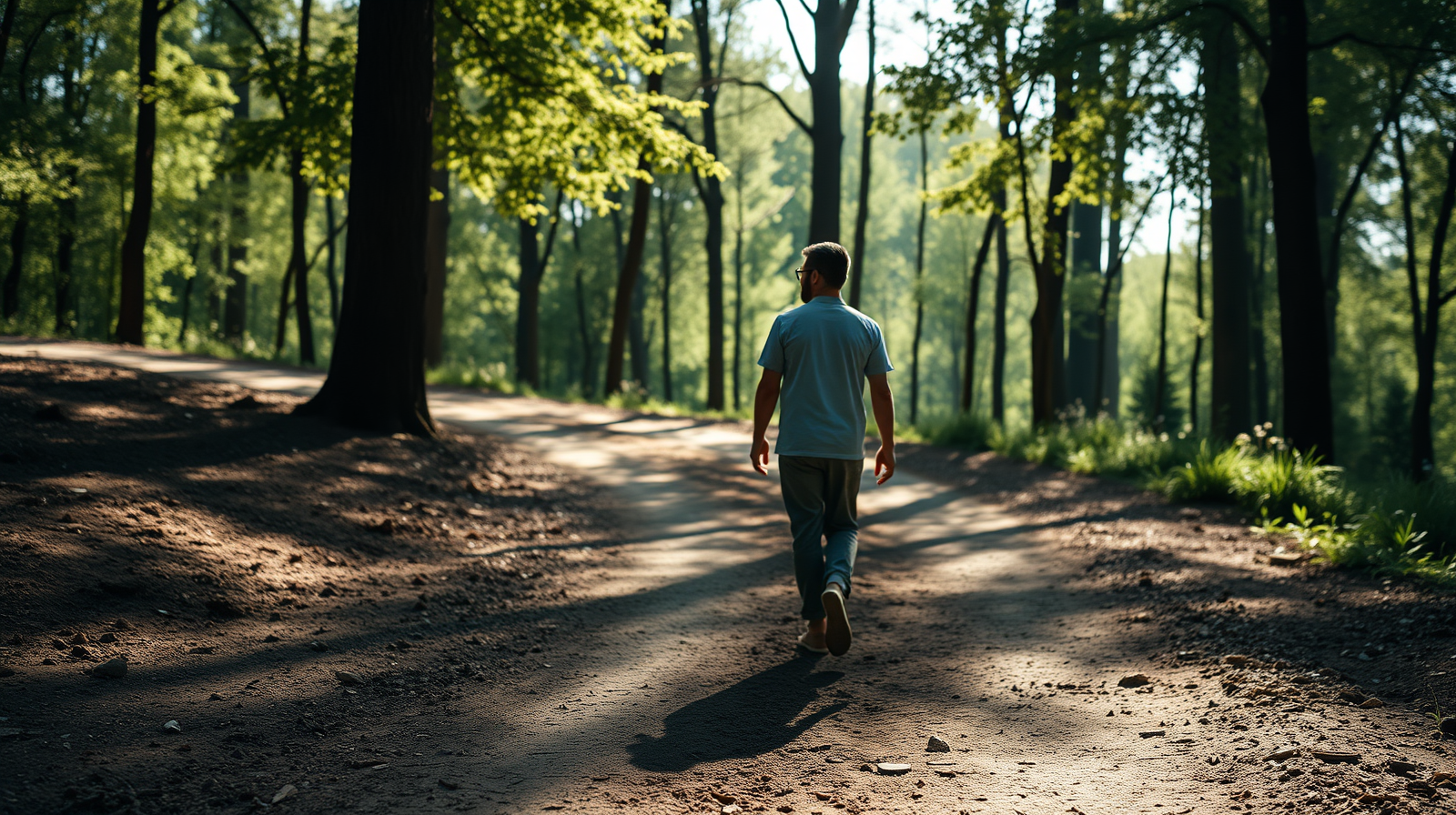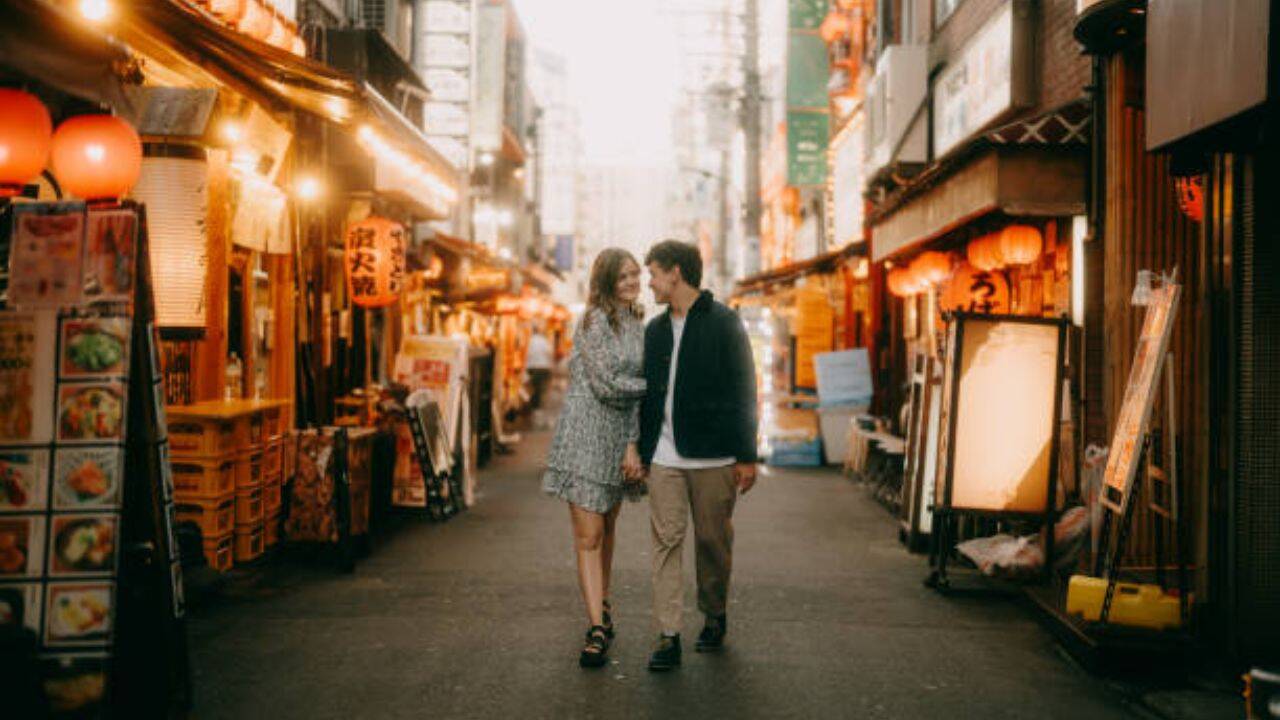
When a Swedish couple packed up their life in Malmö after just three years and relocated to a rural corner of Japan, the cultural fascination was instant. They had secured what most modern professionals consider the pinnacle of achievement: a contemporary Scandinavian dream home, stable urban careers, and the refined aesthetic comfort of a Nordic metropolis. Yet, they traded it all for a countryside property thousands of miles away, joining a growing wave of disillusioned city dwellers questioning the fundamental value proposition of modern urban existence.
This is not merely a story about wanderlust or romantic escapism. It is a diagnostic case study of urban burnout, property market saturation, and the hidden liabilities of high-tax Western cities.
For decades, the script was unalterable. You study hard, climb the corporate ladder in a major European or North American hub, buy a design-forward home in a progressive city like Malmö, and settle into a predictable routine of municipal services and coffee culture. But beneath the polished surface of these urban centers, the economic and psychological math has broken down. Skyrocketing property taxes, relentless gentrification, and an exhausting social atomization have left many wondering what they are actually paying for.
Malmö represents the modern European paradox. It is innovative, green, and culturally rich. It is also increasingly expensive, congested, and detached from traditional community frameworks. When a household trades that environment for a rural Japanese village, they are not just changing scenery. They are opting out of a system that demands maximum economic output in exchange for minimal existential security.
The Economics of Urban Disillusionment
To understand why people walk away from newly built or meticulously renovated properties, you have to look at the balance sheet of contemporary city living. Urban real estate has transformed from a shelter utility into a speculative asset class.
Buyers in cities like Malmö, Stockholm, or Copenhagen find themselves leveraged to the hilt. They acquire properties that consume massive portions of their monthly income, leaving little room for actual living. Maintenance costs, utility spikes, and municipal levies create a perpetual financial undertow. You work harder to maintain the lifestyle afforded by the home, but you spend less and less time actually enjoying the home because your waking hours are mortgaged to the office.
Rural Japan offers a brutal, sobering contrast. Due to demographic decline and a massive surplus of abandoned homes known as akiya, rural properties can often be acquired for a fraction of the cost of a suburban European garage. In many cases, local municipalities practically give them away to newcomers willing to revitalize depopulated districts.
Critics often dismiss this as a cheap gimmick for adventurous minimalists. That dismissal misses the broader macroeconomic shift. When the cost of urban entry becomes unjustifiable, alternative markets gain gravitational pull. A rural Japanese farmhouse may require significant sweat equity, but it liberates the occupant from the crushing debt service that defines modern Western property ownership.
+------------------------+------------------------+
| Urban European Property| Rural Japanese Akiya   |
+------------------------+------------------------+
| High acquisition debt  | Low cost / Subsidized  |
| Escalating property tax| Minimal municipal levy |
| High maintenance costs | DIY / Community labor  |
| Constant time poverty  | Slower, localized pace |
+------------------------+------------------------+
The Psychological Toll of Modern Convenience
We have engineered our cities for maximum efficiency and minimum friction. Delivery apps arrive in minutes. Public transit runs on precise schedules. Digital infrastructure is ubiquitous. Yet, loneliness rates in urban centers have reached epidemic proportions.
The Swedish couple moving to rural Japan faced an environment defined by friction. Language barriers, complex bureaucratic customs, and the absence of Western conveniences are standard hurdles for any foreign transplant. Paradoxically, this friction often fosters deeper human connection than the frictionless isolation of a modern European apartment building.
In a depopulated Japanese village, your presence matters. You are not an anonymous unit in a housing cooperative. You are an immediate contributor to the local social fabric. Neighbors drop off homegrown vegetables. Local festivals require participation. The community relies on every single resident to maintain its infrastructure and traditions.
This dynamic provides an antidote to a specific kind of modern malaise. Urban professionals often suffer from hyper-individualism masked as freedom. You can do anything you want, provided you can afford it, but nobody notices if you disappear for a week. Rural relocation replaces consumer choice with communal accountability. For many burnt-out knowledge workers, that trade-off is worth every inconvenience.
Dismantling the Akiya Fantasy
Romanticizing rural Japan is easy from behind a screen. The reality of taking on an abandoned Japanese home demands clear-eyed pragmatism.
The structure of an old minka or rural farmhouse is vastly different from a modern Scandinavian build. Insulation is often poor, heating systems require manual management, and seismic retrofitting can be complex and expensive. Wood-rot, termites, and dampness are constant adversaries in Japan's humid climate.
Furthermore, local integration is not guaranteed. Rural Japan operates on deeply ingrained social hierarchies and unwritten codes of conduct. A foreign couple arriving with aesthetic aspirations and remote-work laptops can easily find themselves socially isolated if they approach the move as an extended vacation rather than an immersive commitment.
The successful relocators are those who treat the transition as a permanent lifestyle pivot rather than a aesthetic rebrand. They learn the language. They respect local water-management duties. They understand that fixing a traditional tile roof requires patience, local sourcing, and respect for generational craftsmanship.
The Broader Workforce Migration
This phenomenon extends far beyond one Swedish couple. The normalization of remote work has unmoored knowledge workers from geographic proximity to corporate headquarters. When your output is digital, your location is a choice rather than a constraint.
For decades, that choice meant moving to sun-belt tech hubs or secondary European cities like Lisbon or Berlin. But as those cities have faced their own housing crises and anti-gentrification backlashes, the frontier has expanded. Secondary and tertiary markets globally are seeing an influx of talent seeking sanity over status.
Governments in depopulated regions are taking notice. Programs designed to attract international remote workers or rural entrepreneurs are popping up from the Italian countryside to the mountains of rural Honshu. They are not looking for tourists. They are looking for taxpayers who can inject economic pulse into dying zip codes.
The Core Trade-Off
Choosing between a design-forward urban home and a rustic rural sanctuary forces a confrontation with personal values.
The urban choice offers proximity to cultural institutions, career velocity, and predictable infrastructure. It extracts a heavy toll in financial overhead, spatial compression, and social friction.
The rural alternative offers space, financial liberation, and communal integration. It demands physical labor, cultural adaptability, and a willingness to trade convenience for autonomy.
The migration of urban professionals to unexpected corners of the globe signals a growing loss of faith in the standard urban growth model. When people who have won the conventional game choose to walk away from it, the system needs to evaluate its hidden costs.
The dream home is no longer defined by square footage in a trendy postal code or minimalist interior design. It is defined by the freedom to live without a perpetual financial gun to your head, and the peace of belonging to a place where your existence actually matters.