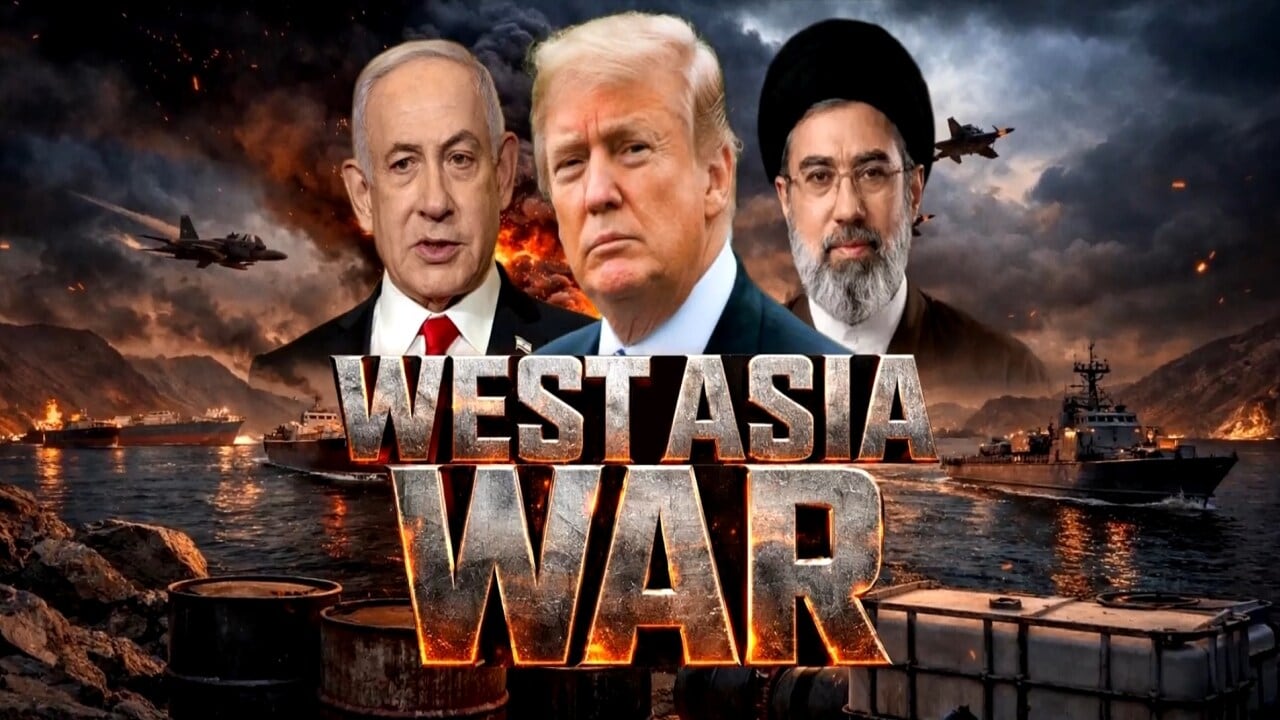
Don't let the headlines about the new two-week ceasefire fool you. While global markets are breathing a sigh of relief and oil prices are finally dipping below $95 a barrel, the reality on the ground in April 2026 is anything but peaceful. This isn't a peace treaty. It's a two-week window where everyone is just reloading their weapons.
The deal, brokered at the eleventh hour by Pakistan, barely stopped President Trump's "Operation Epic Fury" from turning into a total campaign to dismantle Iranian infrastructure. Just hours before the April 7 deadline, B-52s were already in the air. We’re talking about a conflict that has already claimed over 1,300 lives, including the Supreme Leader Ali Khamenei. If you think a bit of ink on a paper in Islamabad settles that kind of blood feud, you haven't been paying attention to the Middle East for the last forty years.
The Fragile Math of a Two Week Truce
This ceasefire is a band-aid on a gunshot wound. The terms are so vaguely defined that both sides are already claiming victory while accusing the other of cheating. Iran says the deal lets them formalize fees for ships passing through the Strait of Hormuz. Trump says the deal is about stripping Iran of its enriched uranium. These two things aren't even in the same zip code of diplomacy.
Former British Foreign Secretary Jack Straw has been vocal about this kind of distrust for decades. Back in the early 2000s, he called a US attack on Iran "inconceivable." Well, the inconceivable happened on February 28, 2026. Straw's long-standing point—that deep-seated historical trauma and a total lack of a shared narrative between Washington and Tehran make negotiations nearly impossible—is more relevant today than ever.
Straw often pointed to the 1979 hostage crisis as the original sin of this relationship. But now, we've added the killing of a Supreme Leader and the systematic "decimation" of Iranian power plants to the list of grievances. You don't fix that with a 14-day pause.
Why the Distrust is Built Into the System
The problem isn't just that they don't like each other. It's that their goals are diametrically opposed.
- The US wants a "surrender-lite": The Trump administration is pushing for the total removal of buried enriched uranium and a complete halt to the "Axis of Resistance" (Hezbollah, Houthis, etc.).
- Iran wants survival and leverage: Tehran is using the Strait of Hormuz—the world’s most important energy chokepoint—as a literal toll booth to fund its reconstruction.
- The Israel Factor: This isn't a two-way street. Israel is actively striking targets in Lebanon even as the ceasefire holds in Iran. Tehran has already threatened to exit the framework if the US can't restrain what they call their "rabid dog" in the region.
Honestly, it’s a miracle the guns stayed silent for even twenty-four hours. Iranian military advisors like Mohsen Rezaee are openly telling their people that their fingers are still on the trigger. They aren't waiting for peace; they’re waiting for an excuse.
The Economic Mirage of $95 Oil
The Dow might have jumped 1,100 points when the news broke, but don't start investing your life savings in Iranian reconstruction just yet. Shipping giants like Maersk are already warning that "maritime certainty" doesn't exist.
The Strait of Hormuz isn't "open" in the traditional sense. It's under a "protocol for safe passage" that feels more like a hostage negotiation. If a single US drone gets too close or an Israeli strike hits a sensitive target in Beirut, that 20% of the world's oil supply gets shut off again instantly.
The "People Also Ask" crowd wants to know: Is this the end of the war? The short answer is no. It’s a tactical reset. The US is using the time to rotate troops and evaluate the damage done by Operation Epic Fury. Iran is using it to hide what’s left of its ballistic missile program and see if they can get some sanctions lifted through Pakistani intermediaries.
What Happens When the Clock Hits Zero
We’re currently in a holding pattern. The real test happens this Friday in Islamabad when Vice President JD Vance is scheduled to meet the Iranian delegation.
If those talks don't produce a massive concession from Tehran—specifically regarding their nuclear "sovereign rights"—Trump has already signaled he’s ready to go back to the original plan. He’s been very clear: he wants the "cancer" cut out.
For the average person watching this from home, the "next steps" aren't about diplomacy. They're about preparation. If you're in the energy sector or have interests in global logistics, treat this two-week window as a grace period to hedge your bets. The structural issues—the nuclear ambitions, the regional proxy wars, and the sheer personal animosity between the leaders—remain untouched.
History shows that ceasefires built on an "11th-hour" panic rarely survive the first week of actual daylight. Watch the Strait of Hormuz. If the fees start climbing or the "inspections" of commercial ships get more aggressive, the ceasefire is effectively over before the two weeks are up.
Expect the rhetoric to sharpen by Sunday. If no "grand bargain" is reached in Pakistan by the weekend, we aren't looking at a peaceful spring. We're looking at a much hotter summer.