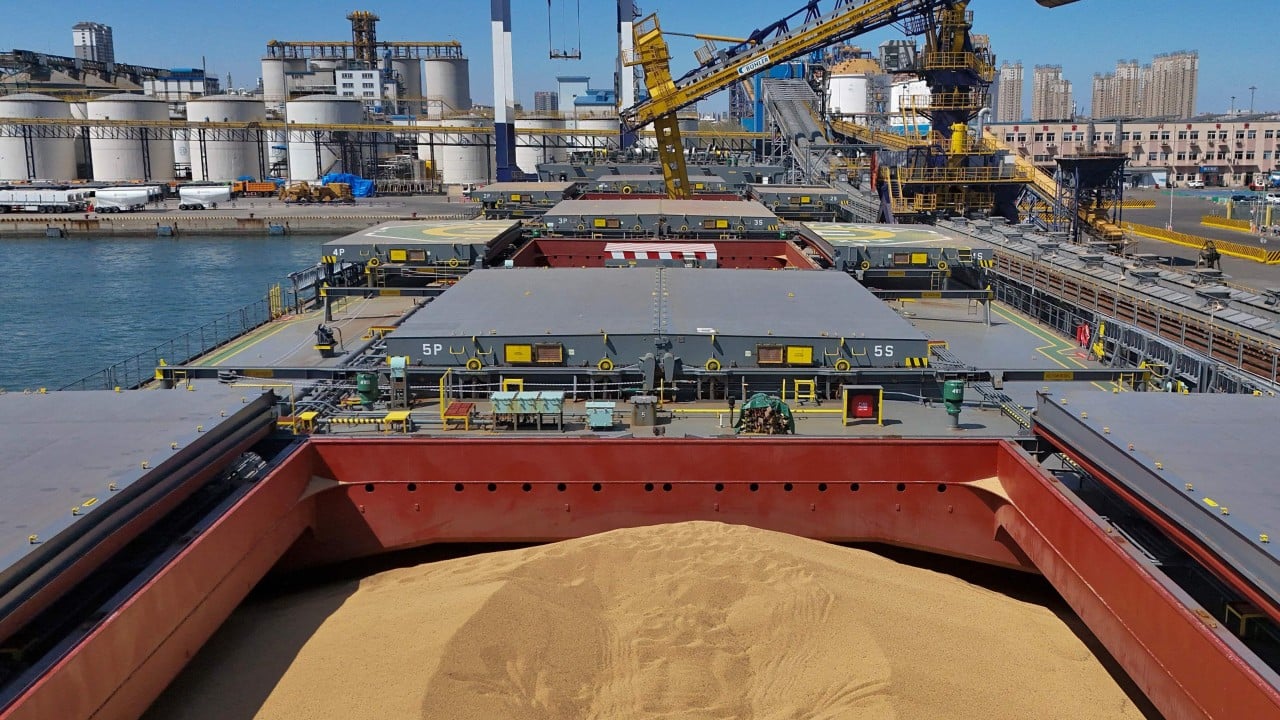
Trade pacts on paper don't always change economic reality on the ground. When top leaders shake hands on export targets, local crushing plants and commodity traders still follow bottom-line margins.
China’s soybean imports from the United States dropped 20.6% year-over-year in June, landing at 1.27 million metric tons. Over the exact same period, shipments from Brazil jumped 13.7% to 12.08 million tons. Taking a broader look at the first six months of the year, US soybean shipments to China fell by a massive 42.4%, while Brazil’s expanded by 9.1%.
The widening gap highlights a fundamental structural realignment in global agriculture that political agreements are struggling to reverse.
The Margin Gap Chinese Crushers Can't Ignore
Why are Chinese buyers favoring South American soybeans over American harvests? The simple answer comes down to cash margins, protein content, and harvest timing.
Brazil has experienced consecutive years of bumper crops, flooding global supply lines with competitively priced beans. Lower land and input costs relative to American farms give Brazilian producers a distinct price advantage. When Chinese soybean processors calculate their crushing margins, Brazilian product consistently yields better returns.
There is also a technical quality difference that industrial crushing plants care deeply about:
- Protein Content: Brazilian soybeans naturally carry a slightly higher crude protein percentage due to regional climate conditions and seed genetics.
- Meal Yield: Higher protein translates directly to richer soybean meal for China’s massive livestock and aquaculture sectors.
- Port Logistics: Extensive Chinese infrastructure investments in Brazilian port terminals have drastically reduced bottleneck delays at Santos and Paranaguá.
Diplomatic commitments can set purchasing quotas, but private and state-backed Chinese processors still time their purchases to catch market troughs. When Brazilian supplies remain abundant and cheap through mid-year, buying expensive American stock simply doesn't make economic sense.
Trade Deal Tariffs and the Ordering Delay
The dip in June figures also reflects a temporal lag in global agricultural logistics. International grain shipping contracts are usually signed weeks or months before ships ever leave port.
Trade friction earlier in the cycle caused Chinese importers to pause or delay booking US harvests, opting to clear delayed cargoes and lock in South American forward contracts instead. Even after political meetings established renewed buying pledges—including an annual commitment to purchase 25 million metric tons of US soybeans through 2028—the physical logistics pipeline takes time to recalibrate.
Beijing's strategy is clear. By maintaining agricultural trade commitments on paper, it keeps diplomatic doors open. By sourcing the bulk of its physical supply from South America, it builds a resilient supply chain that cushions its domestic food security against geopolitical volatility.
What American Exporters Must Do to Adapt
US agricultural producers can't rely solely on bilateral trade mandates to secure market share. The global grain trade has permanently diversified. To protect farm incomes and maintain market relevance, domestic producers and trade groups need clear, actionable strategies.
- Expand Secondary Export Destinations: Relying heavily on a single buyer creates systemic vulnerability. Pushing trade initiatives into growing livestock markets across Southeast Asia (like Vietnam and Indonesia) and North Africa helps absorb excess supply when Chinese demand fluctuates.
- Increase Domestic Processing Capacity: Instead of exporting raw beans, expanding domestic crushing plants converts raw harvests into value-added soy oil and meal locally. Expanding domestic renewable diesel production creates reliable internal demand that isn't subject to foreign tariffs.
- Focus on High-Yield Quality Premium: US growers need to compete on quality consistency, supply chain reliability, and sustainable farming verification rather than trying to beat South American spot prices during peak harvest windows.
Political agreements can buy time, but market dynamics ultimately determine where cargo ships dock. American agricultural strategy must shift from waiting on foreign policy breakthroughs to actively building alternative domestic and international demand channels.