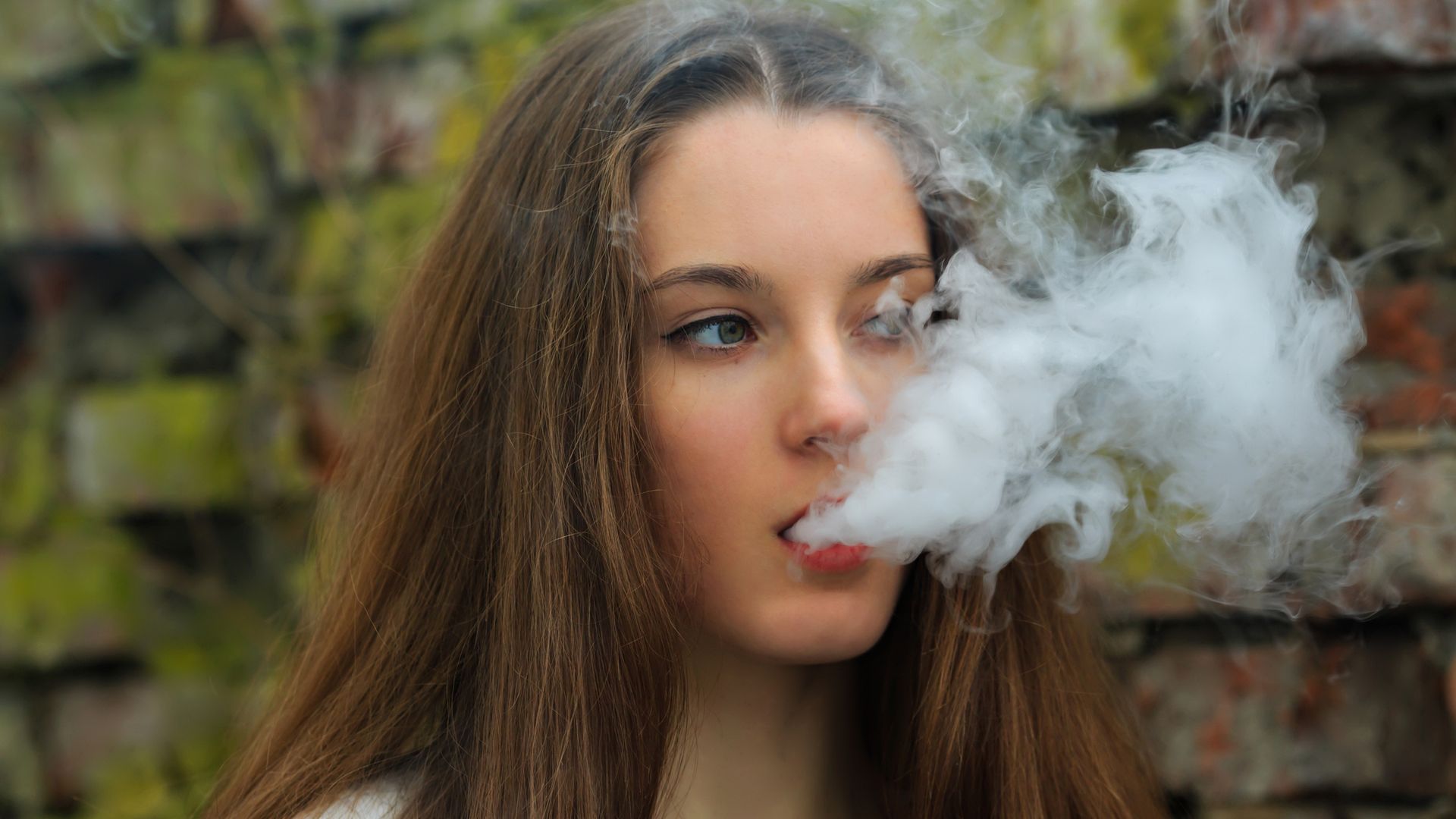
The sweet scent of spun sugar and crisp green apple hangs heavy in the hallway of a suburban high school. It is bright, inviting, and entirely deceptive. To a teenager passing by between classes, it smells like a treat, a harmless moment of rebellion tucked neatly into a palm-sized plastic device.
To a pediatrician standing down that same hallway, it smells like an oncoming storm. You might also find this related article insightful: Why Germany Records 14000 Heat Related Deaths and Why Most Cities Are Still Unprepared.
We have seen this script before. Decades ago, slick marketing departments wrapped tobacco in rugged masculinity, convincing generations that a cigarette was a passport to cool confidence. Today, the delivery mechanism has evolved, trading paper and ash for neon colors, USB-like silhouettes, and candy flavors engineered in laboratories to hijack the human palate.
Doctors are sounding the alarm, and for good reason. Yet, the warning often arrives as a flat list of clinical symptoms: bronchiolitis obliterans, endothelial dysfunction, nicotine addiction. Words that glaze the eyes. Words that fail to capture the quiet, creeping reality of what is happening behind bedroom doors and inside developing bodies. As reported in detailed articles by Healthline, the effects are significant.
Consider what happens next.
Meet Leo. He is fifteen, an avid runner who used to clip a full second off his mile time every month. He didn't start vaping to rebel against his parents. He started because the locker room chatter made it feel as normal as tying your sneakers. A friend handed him a sleek, dark-blue pod device. Just one hit.
Within months, Leo wasn't running anymore. He was waking up in the middle of the night with a dry, hacking cough, his chest tightening as if an invisible hand were squeezing his lungs. He tried to quit during history class, only to find his hands trembling, his focus splintering, his mind screaming for a chemical fix he barely understood.
Leo is a hypothetical composite, but his story echoes across thousands of emergency rooms and pediatric clinics nationwide. Pediatricians are encountering children who are trapped in a cycle of dependency so fierce that it rivals traditional combustible cigarettes, compressed into a format that evades detection.
The human lung is a marvel of biological engineering. It features millions of microscopic air sacs designed to process pure, clean oxygen, delicate structures bathed in moisture and lined with fragile cells. When a vape is pulled, it creates an aerosol. Notice that word: aerosol. Not water vapor. Not harmless mist. It is a chemical cocktail of propylene glycol, vegetable glycerin, heavy metals like nickel and lead, and ultrafine particulates.
When that aerosol enters a young lung, it doesn't just pass through. It settles.
Think of it like a delicate velvet painting. If you spray a fine, sticky lacquer over it, the texture changes, the colors dull, and the underlying fabric begins to stiffen and choke. Chemical exposure in adolescent lungs triggers severe inflammatory responses. The body treats these foreign particles like microscopic invaders, launching an immune counterattack that ultimately damages the very tissue meant to keep the body breathing.
Doctors are diagnosing conditions in teenagers that used to primarily afflict elderly industrial workers. Chronic bronchitis, scarred pulmonary tissue, and severe airway hyper-reactivity are becoming regular chart entries for patients who have barely lived long enough to vote.
Yet, the physical toll is only half the battle. The psychological hooks run deeper.
Nicotine is a master manipulator of the developing brain. In teenagers, the prefrontal cortex—the command center for impulse control, risk assessment, and emotional regulation—is still under construction, a chaotic workshop of neural rewiring. When high concentrations of nicotine flood this environment, it binds to receptors with ruthless efficiency, essentially hijacking the reward pathways.
The brain learns to crave the chemical surge above everything else. Concentration drops. Anxiety spikes. The child who used to sit patiently through a double-period science class now finds themselves counting down the minutes until they can slip into the restroom for another hit. It alters temperament, fraying patience and breeding a baseline irritability that leaves families bewildered. Parents often blame typical adolescent angst, missing the silent chemical puppeteer pulling the strings from inside a pocket-sized gadget.
The normalization of these devices has been a masterclass in modern corporate camouflage. Sleek designs mimic high-end tech accessories rather than tobacco products. Flavors like blue raspberry, cotton candy, and mango actively mask the harsh, bitter reality of nicotine.
When adults look at these products, they see a nicotine delivery system. When adolescents look at them, they see lifestyle accessories. They see social currency.
Public health campaigns struggle to keep pace. For every cautionary billboard or school assembly, there are dozens of curated social media clips making the habit look effortless, clean, and daring. The marketing doesn't need to shout; it whispers through aesthetics.
We are standing at a critical juncture in public health. The long-term epidemiological data of chronic youth vaping are still unfolding in real-time, a slow-motion catastrophe written in chest X-rays and behavioral clinics. The generation currently inhaling these synthetic aerosols is acting as the unwitting control group in a massive, uncontrolled biological experiment.
The fog in the hallway is clearing, revealing a landscape of compromised lungs and chained minds.
The sweet scent lingers for a moment, then fades into the harsh, sterile air of reality, leaving behind a generation fighting to catch its breath.